Academy of Fine Arts in Gdańsk
Targ Węglowy 6, 80-836 Gdańsk
NIP: 583 000 93 46, REGON: 000275820
+48 58 301 28 01, kontakt@asp.gda.pl
Academy
Students

Sponsors
Partners



Academy of Fine Arts in Gdańsk
Targ Węglowy 6, 80-836 Gdańsk
NIP: 583 000 93 46, REGON: 000275820
+48 58 301 28 01, kontakt@asp.gda.pl
Academy
Students
Sponsors
Partners
Head of the studio:
prof. dr hab. Arkadiusz Sylwestrowicz
Assistant:
dr Piotr Wyrzykowski
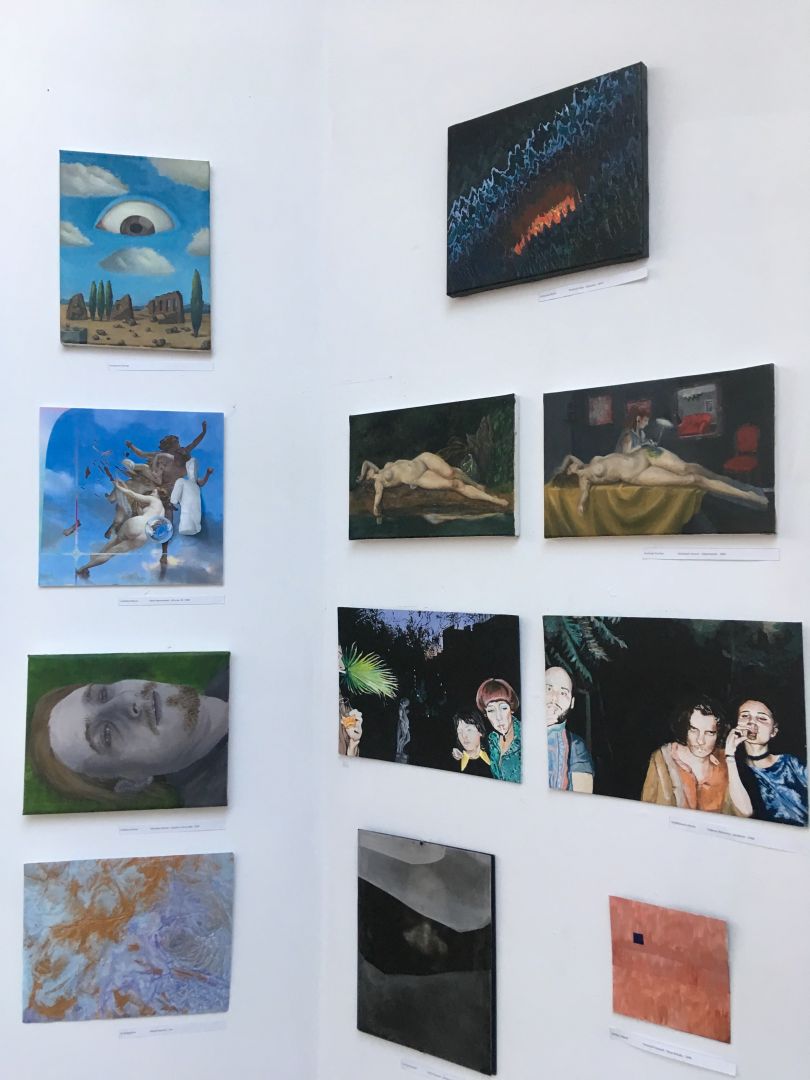
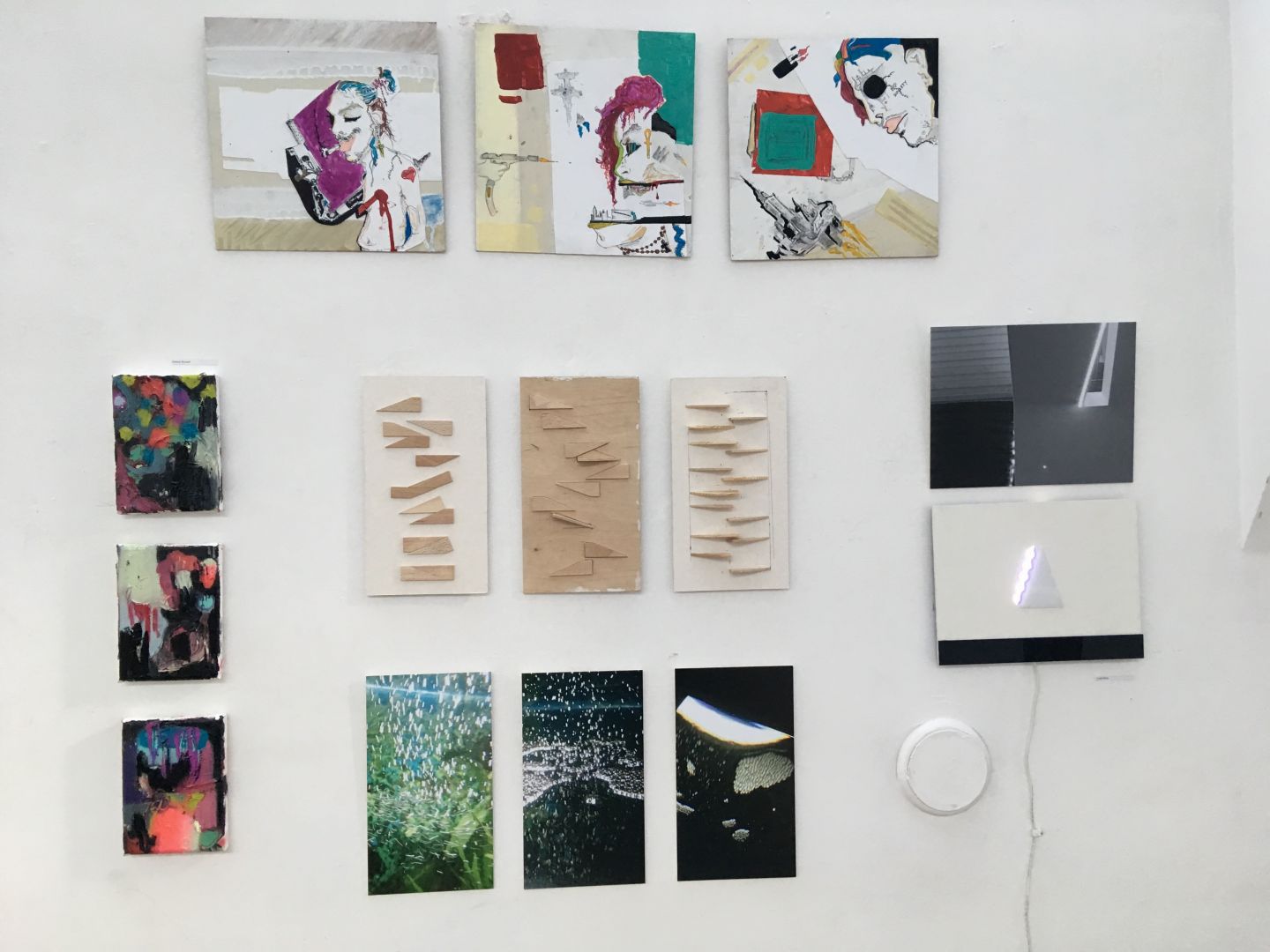
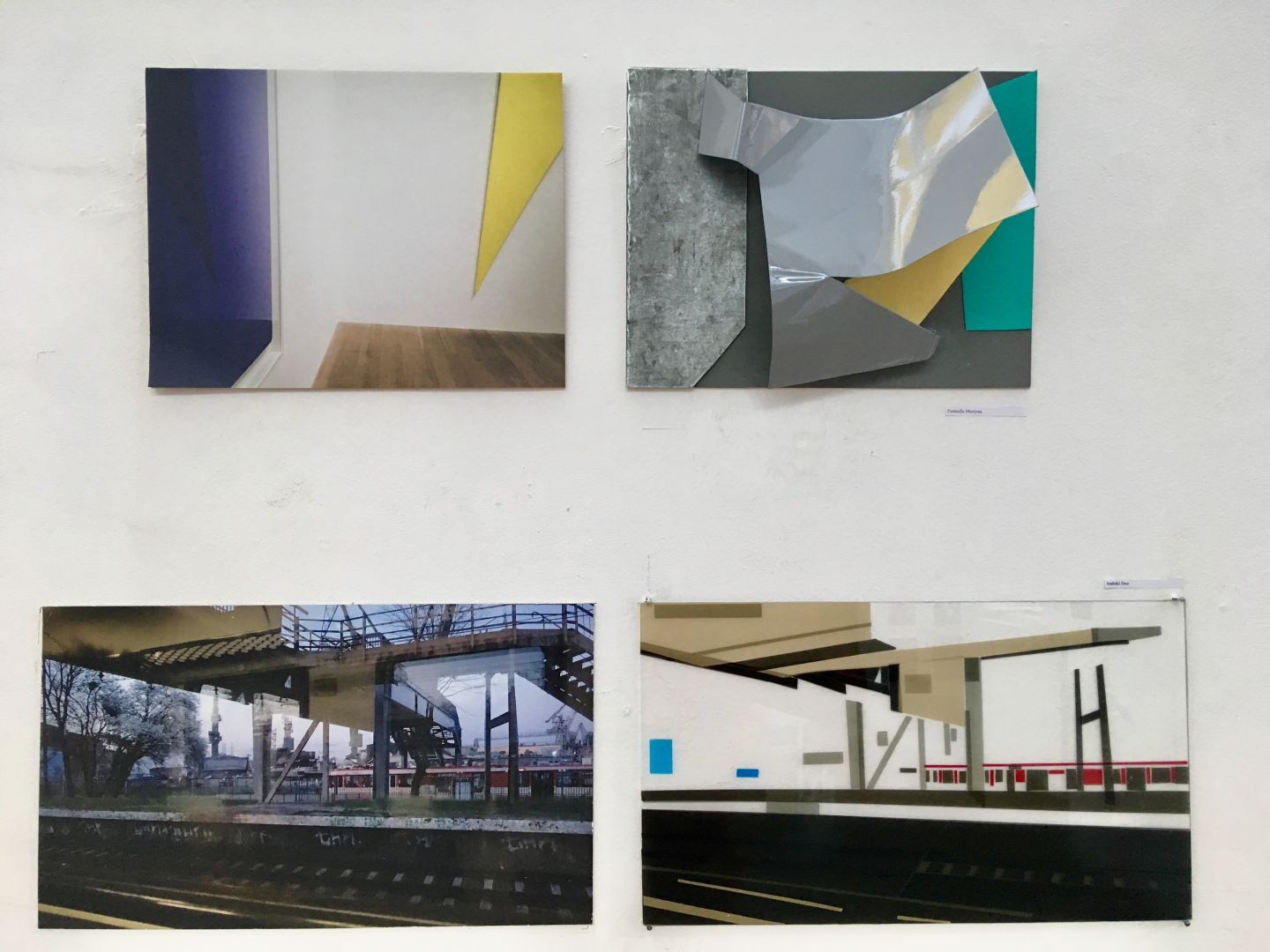
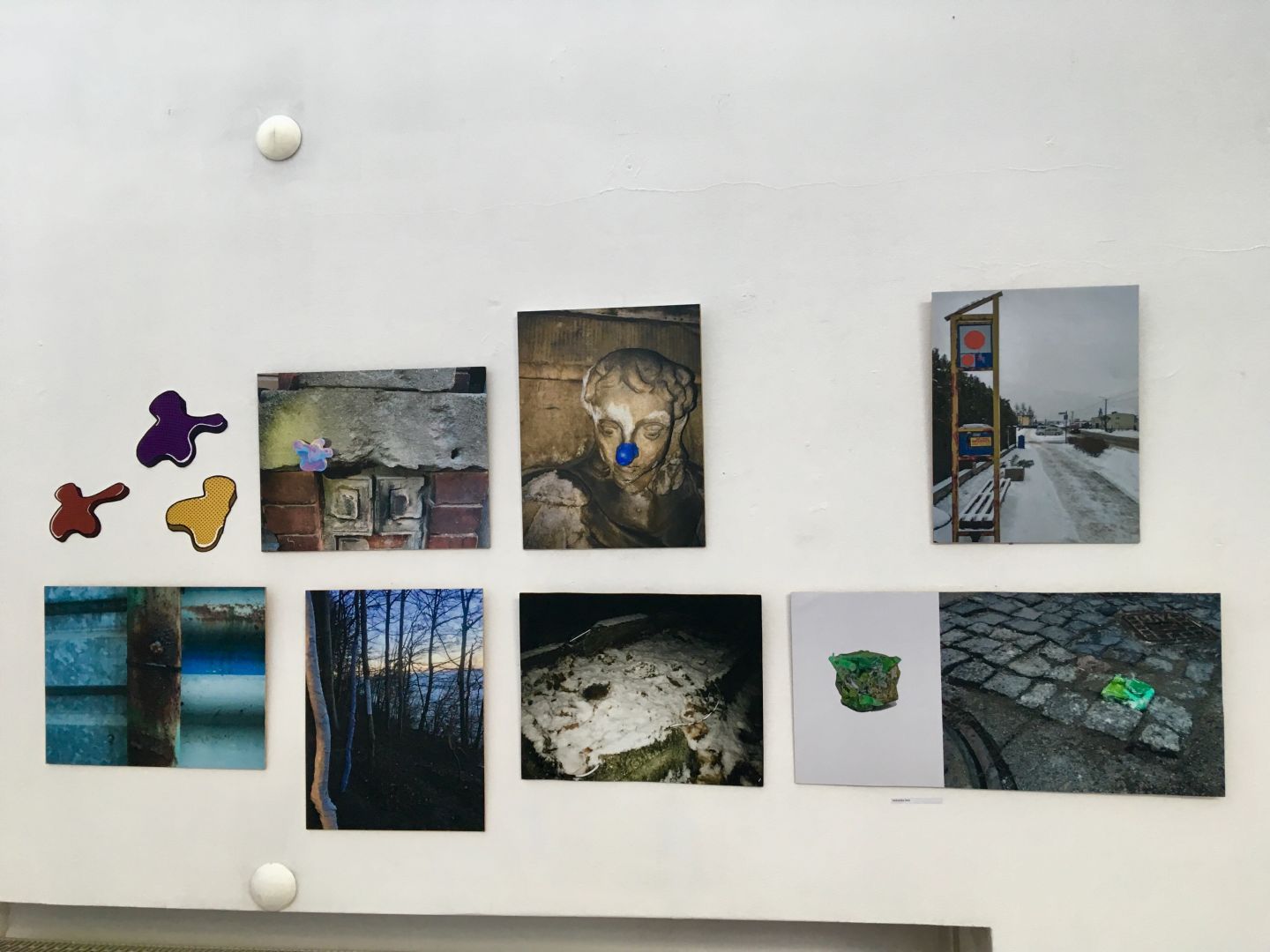
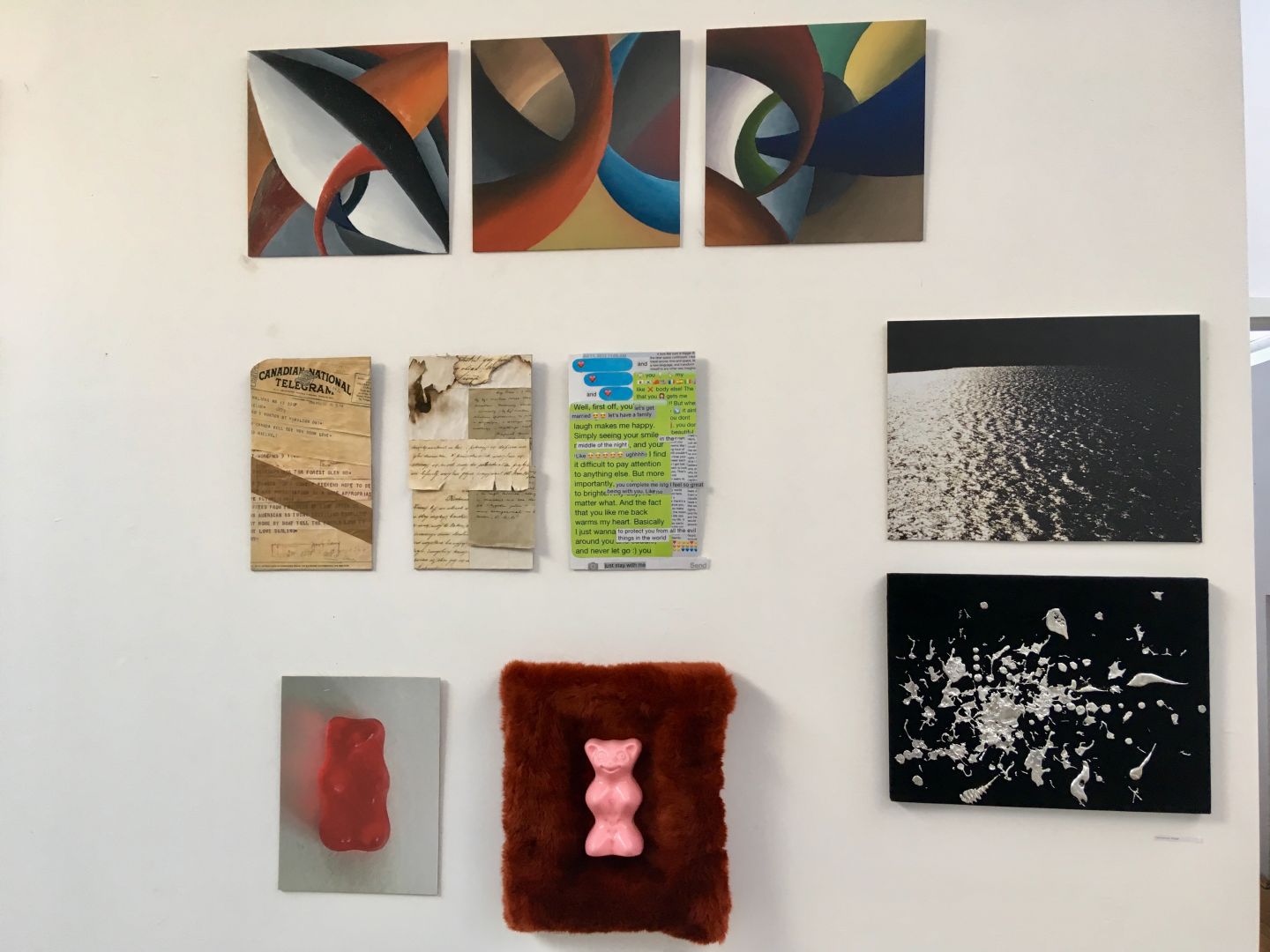
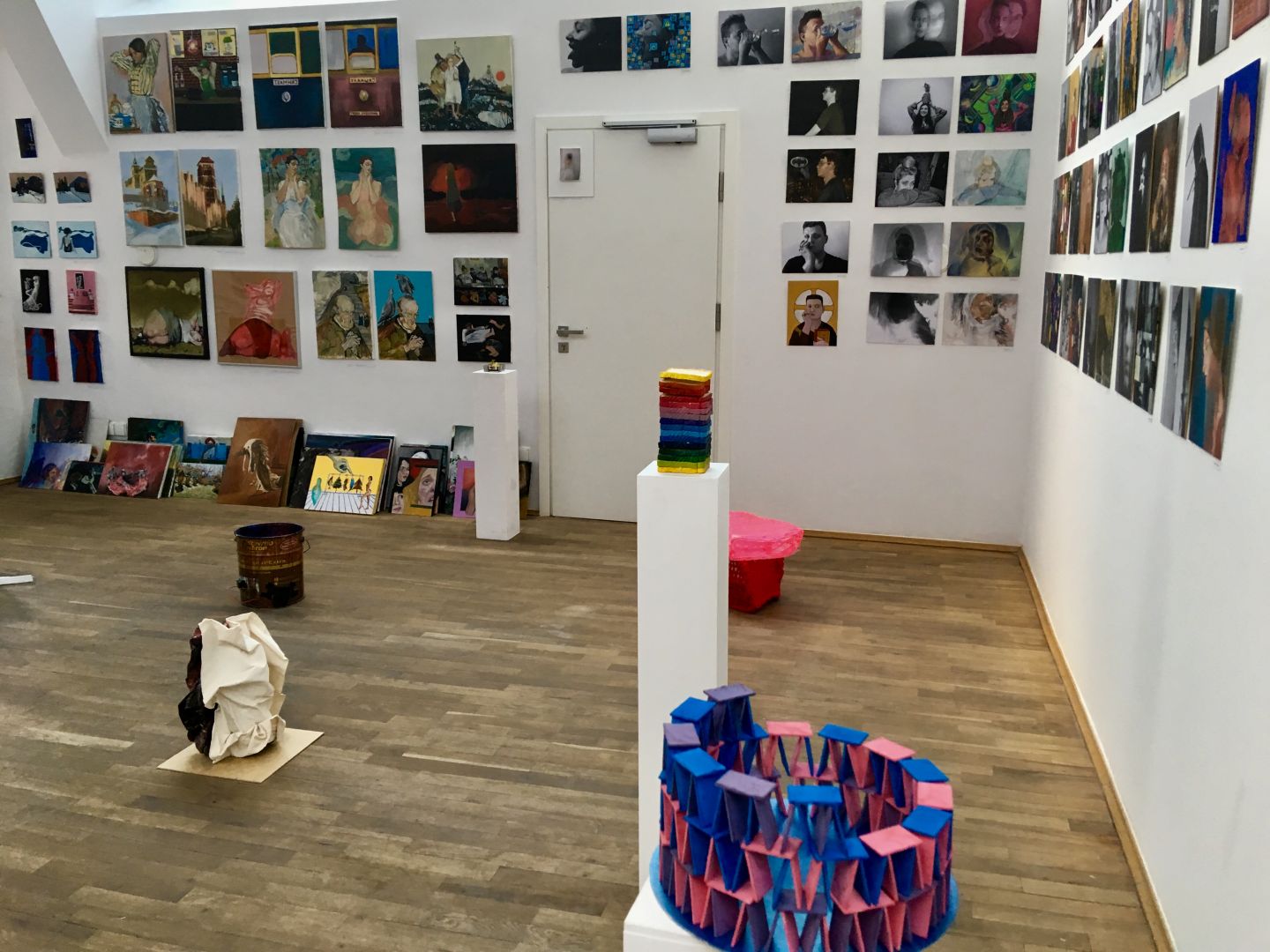
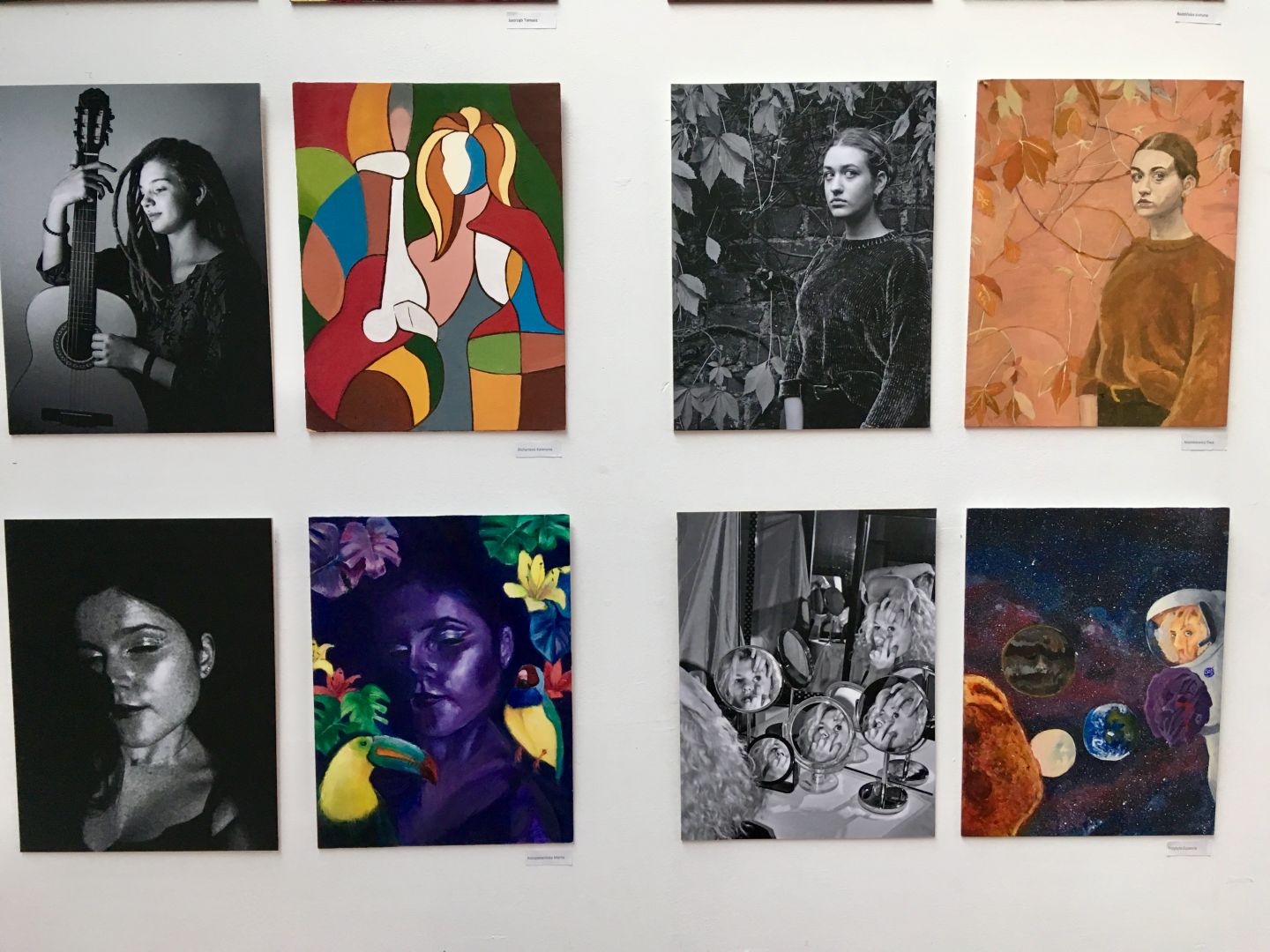
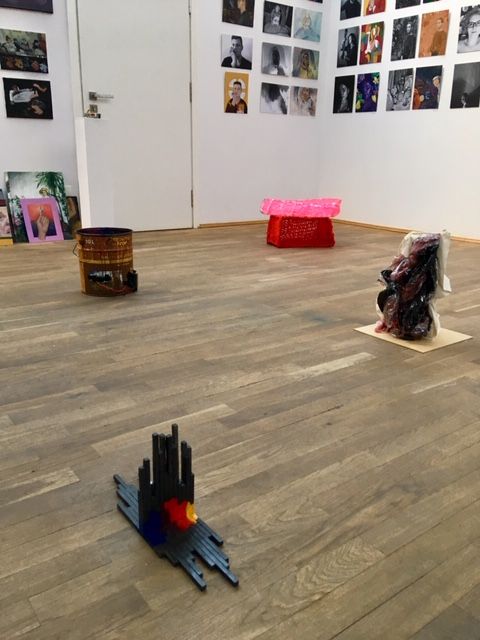
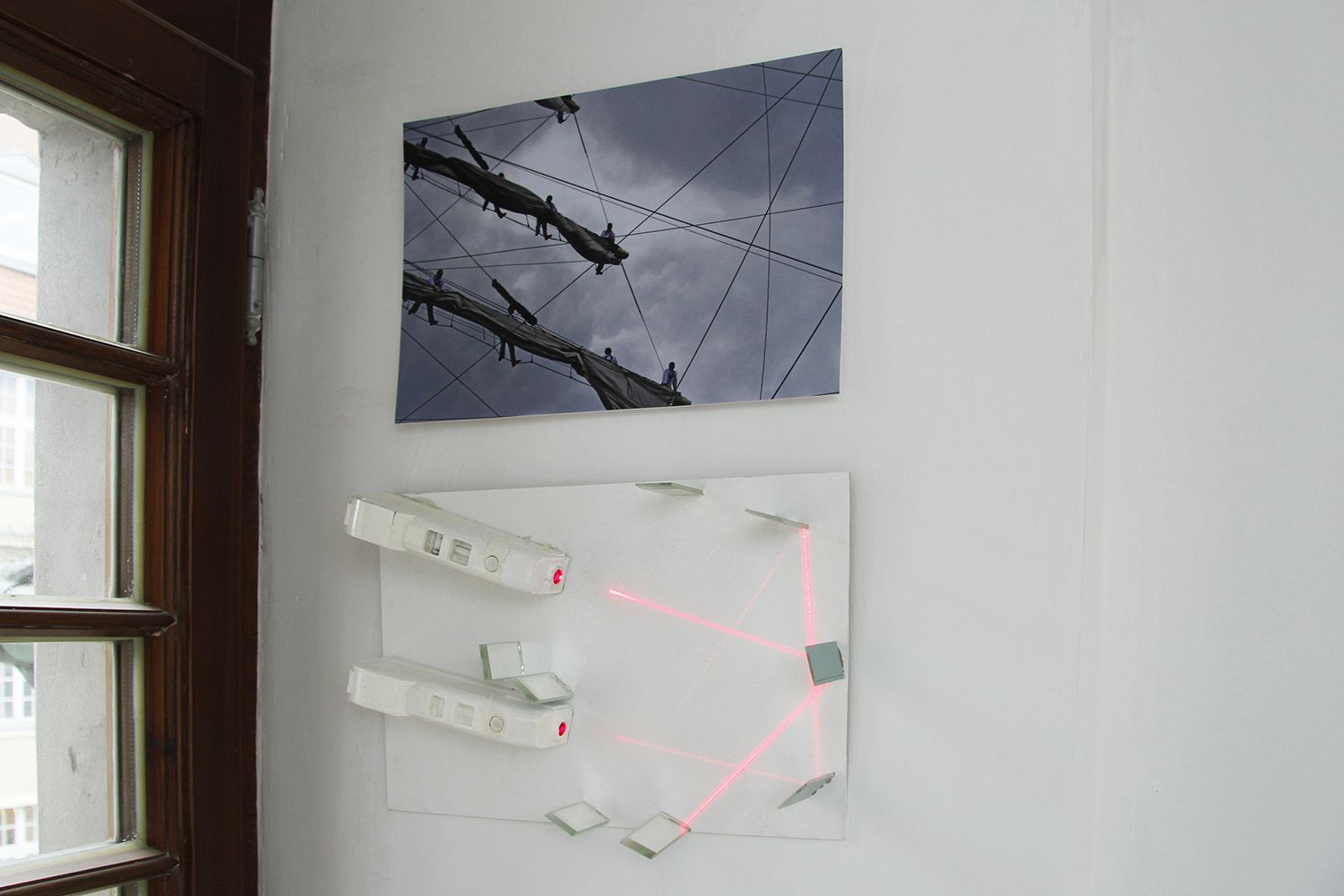
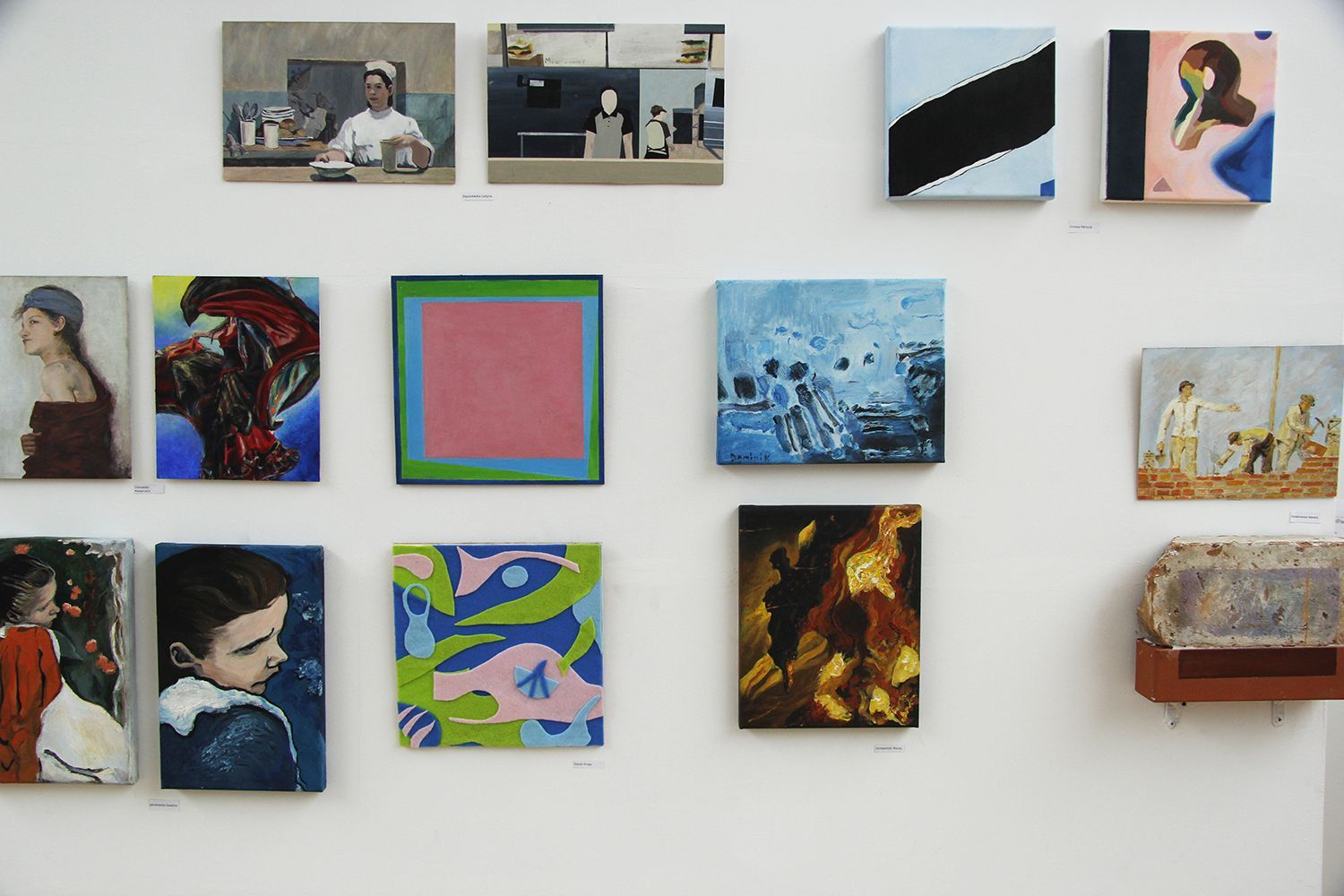
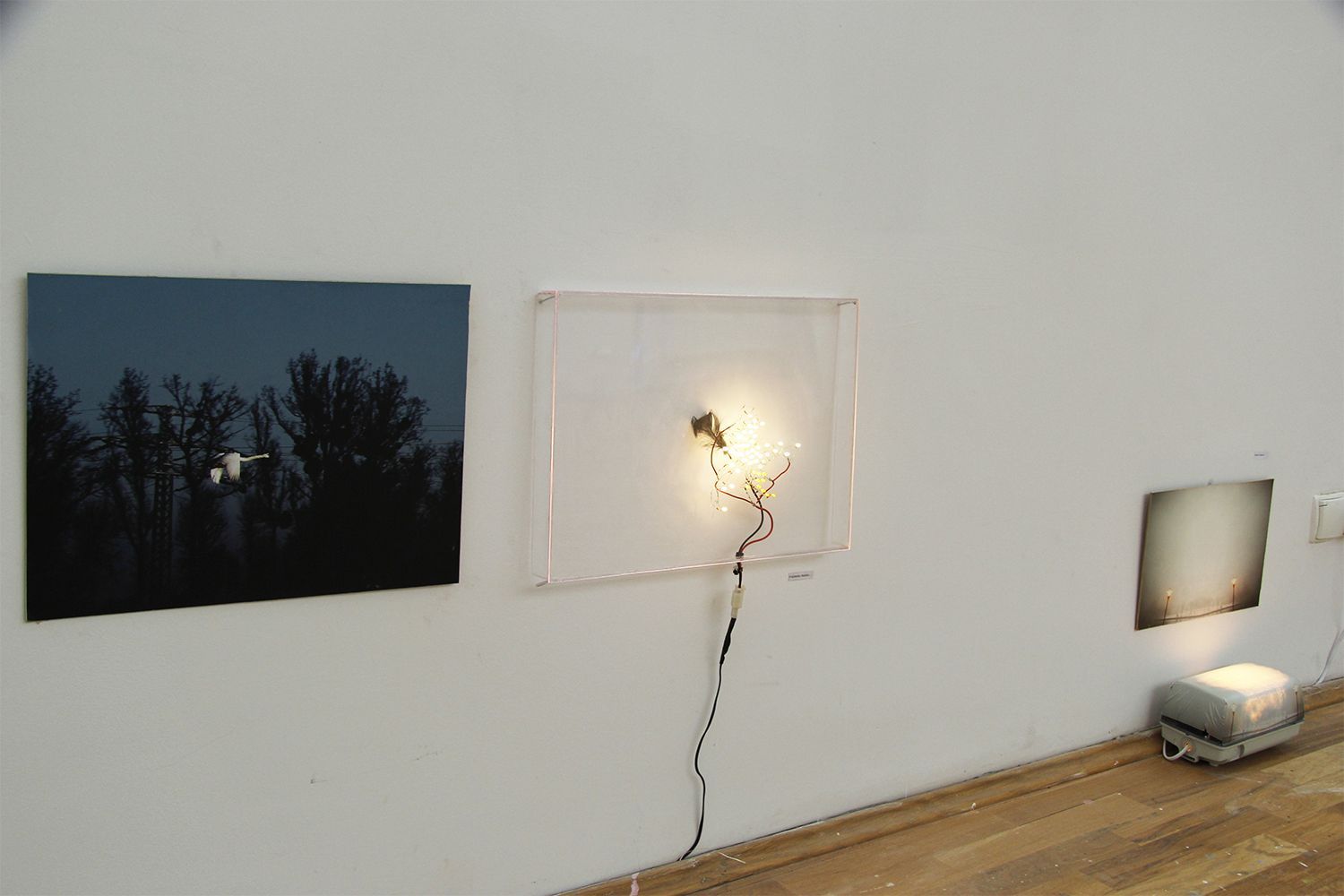
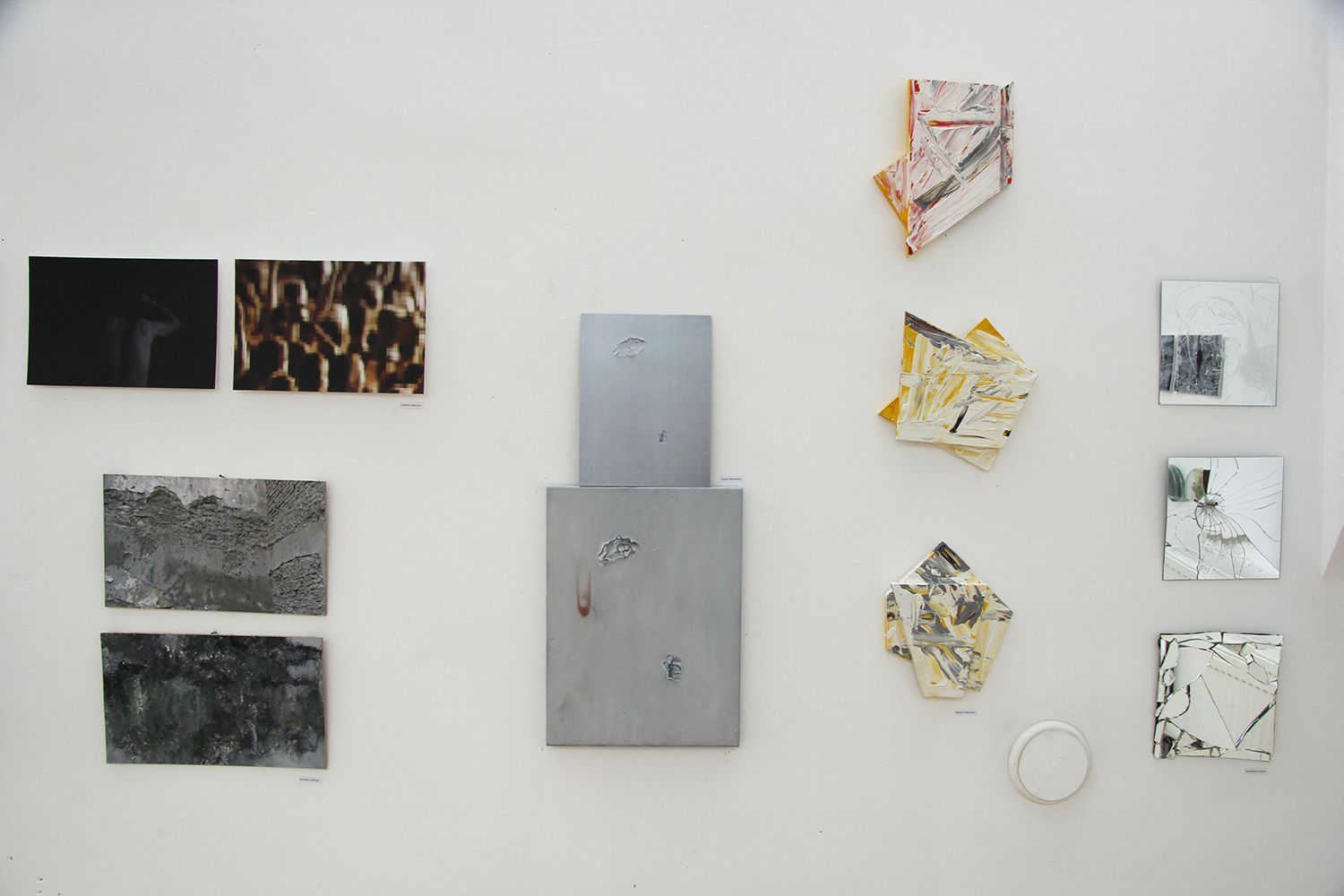
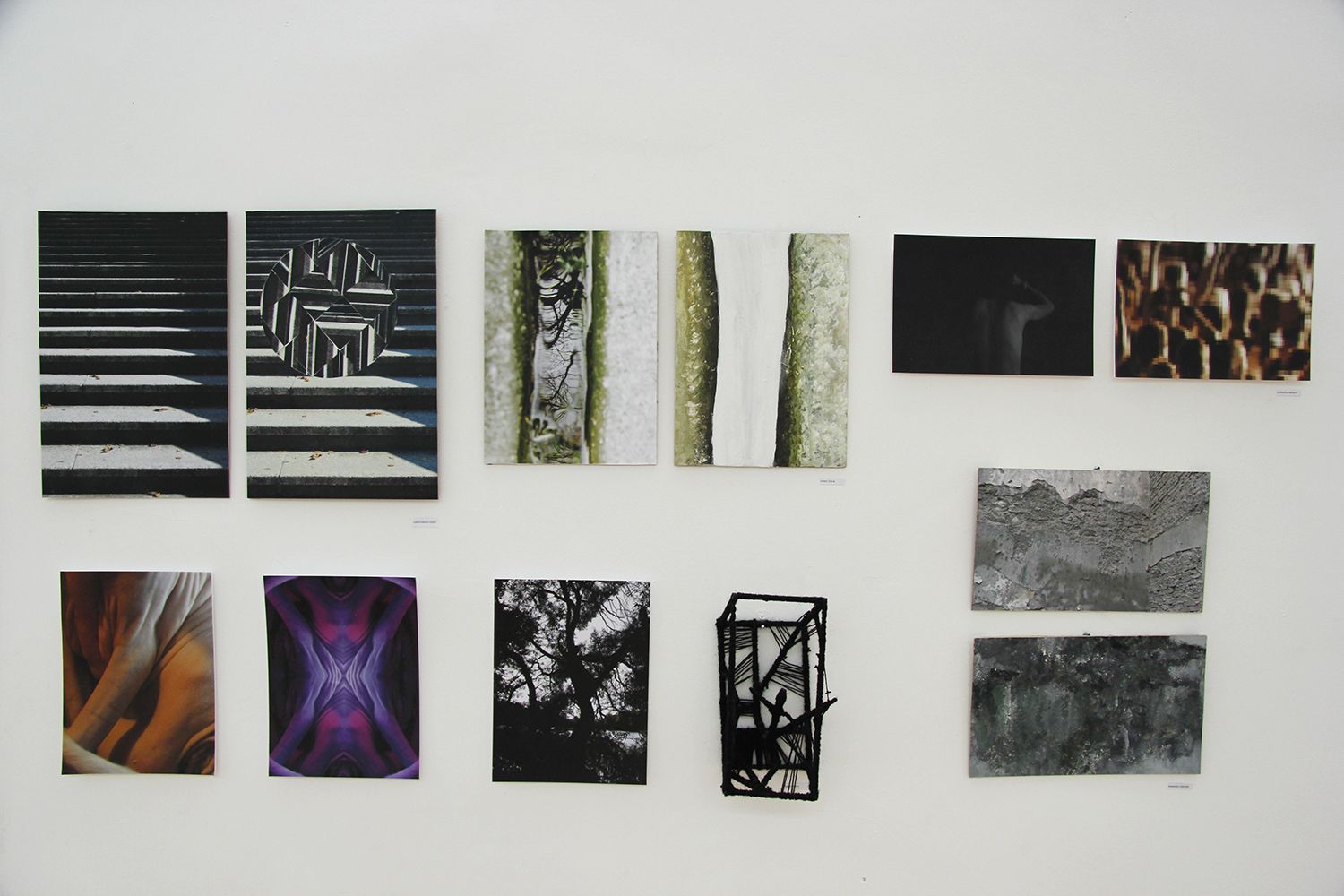
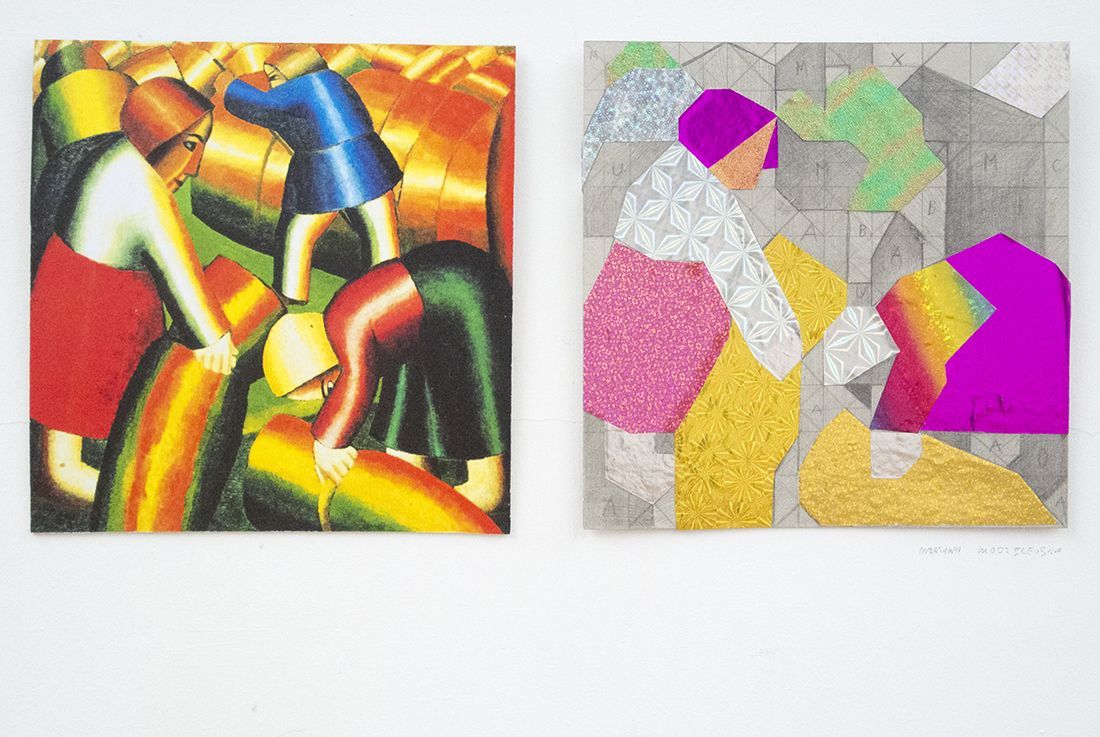
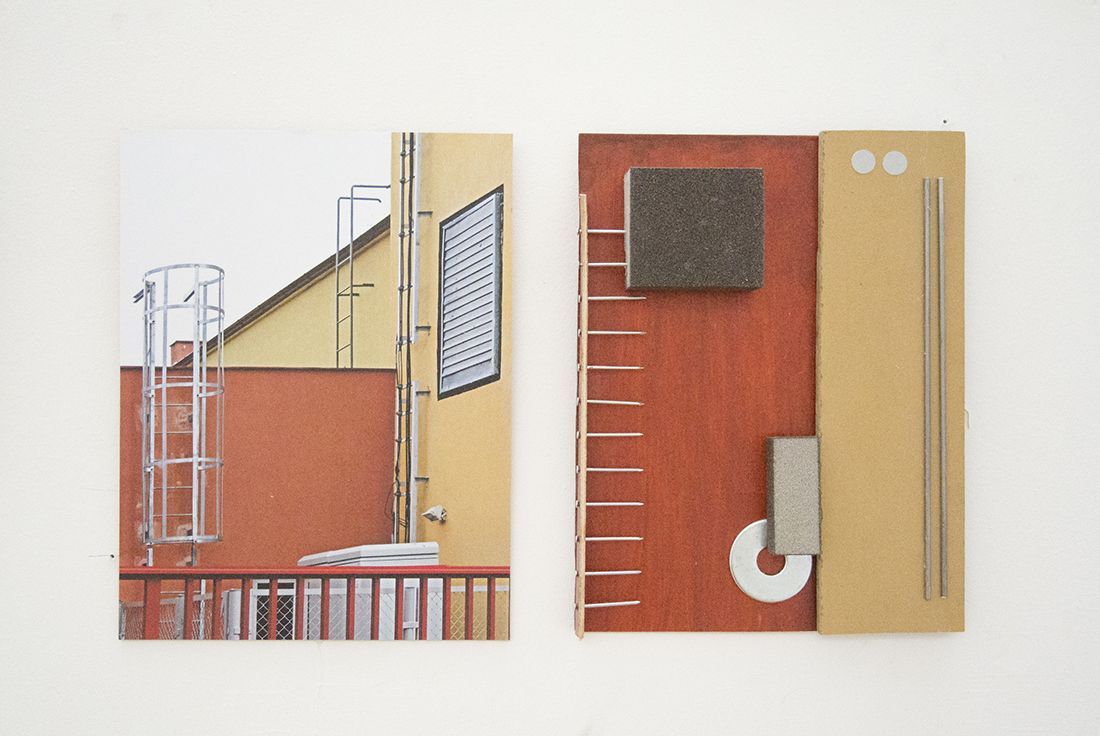
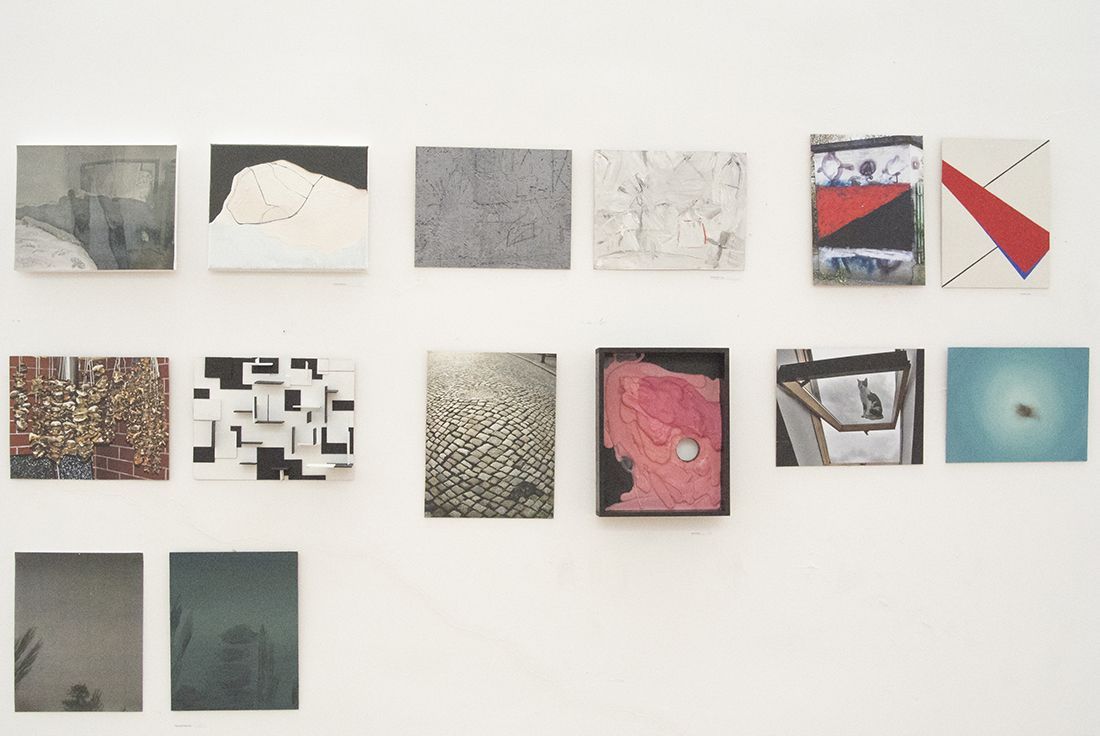
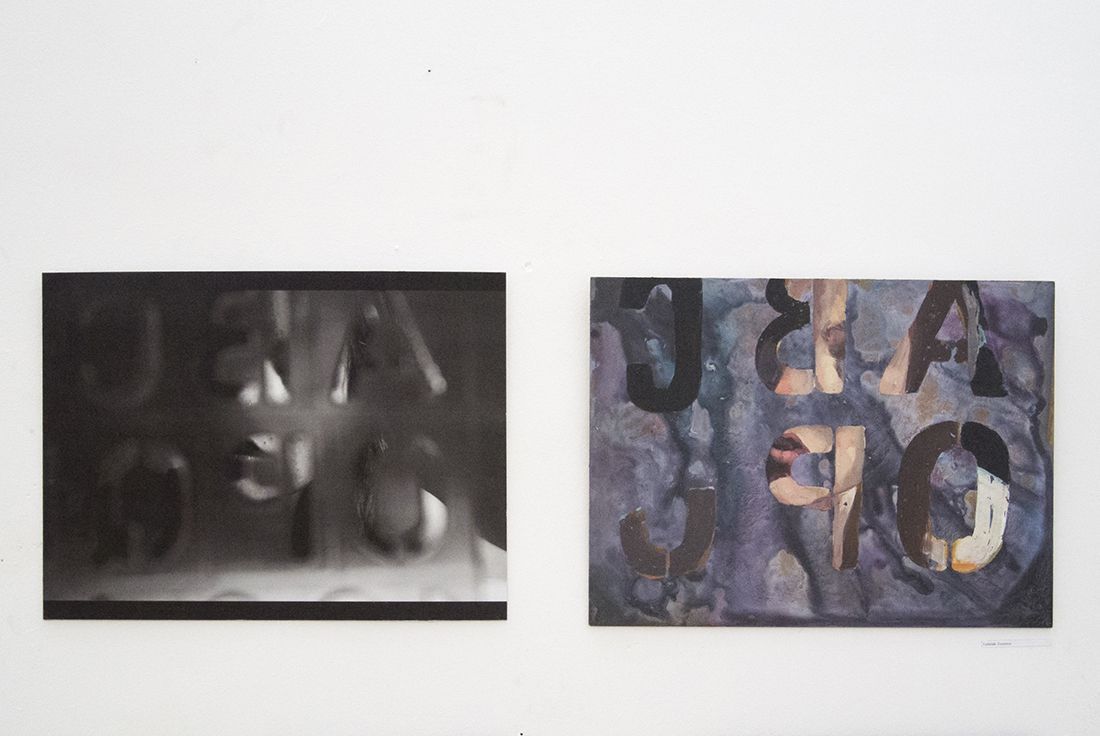
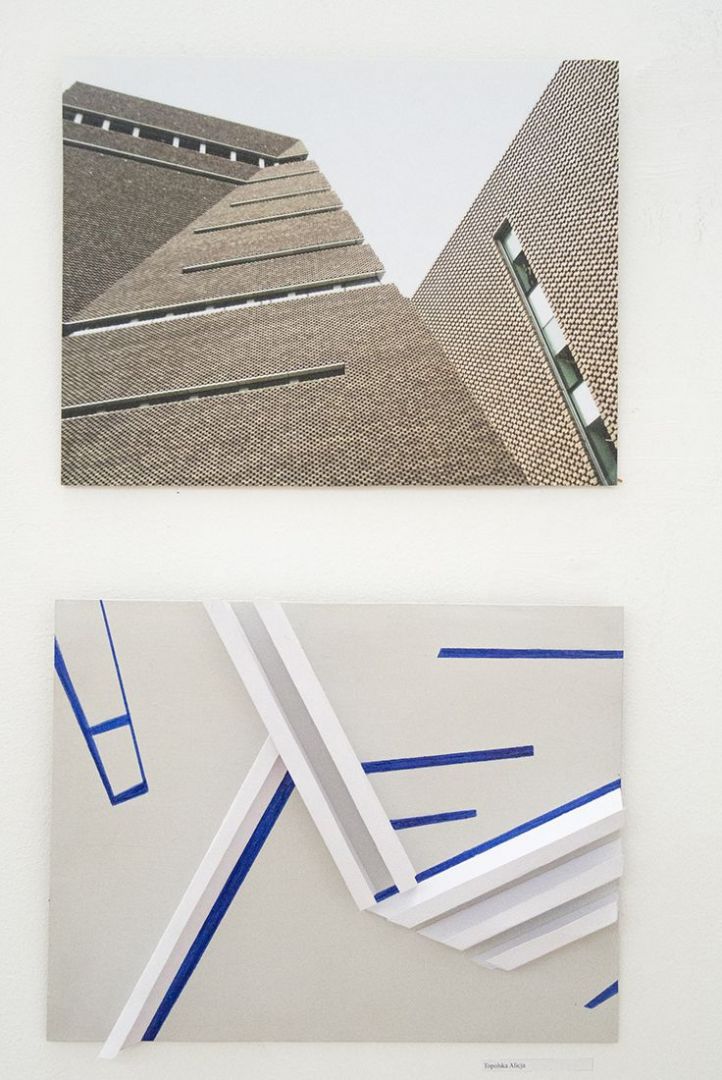
The classes develop skills in painterly thinking and perception of reality. Composition tasks are performed, and decisions made concerning the artistic means appropriate for a given work (photography, installation, sculpture, painting). We shape the students’ ability to formulate individual artistic expression and their ability to respond to a given subject. All topics focus around painterly thinking (colour, light). The tasks carried out in the studio give an opportunity to define one’s own artistic search. The students look for their own way of interpreting a given task. We put emphasis on individual perception and interpretation of the surrounding reality.
Cognitive objectives: (learning outcomes – knowledge). The student will:
Educational objectives: (learning outcomes – skills). The student will:
Practical objectives: (learning outcomes – social competences). The student will:
The themes oscillate around painting, they teach thinking and painting vision. Students have the opportunity to choose various techniques (painting, photography, collage, installation), as well as to reach for various painting techniques and experimentation.