Academy of Fine Arts in Gdańsk
Targ Węglowy 6, 80-836 Gdańsk
NIP: 583 000 93 46, REGON: 000275820
+48 58 301 28 01, kontakt@asp.gda.pl
Academy
Students

Sponsors
Partners



Academy of Fine Arts in Gdańsk
Targ Węglowy 6, 80-836 Gdańsk
NIP: 583 000 93 46, REGON: 000275820
+48 58 301 28 01, kontakt@asp.gda.pl
Academy
Students
Sponsors
Partners
Head of the studio:
prof. ASP dr hab. Aleksandra Jadczuk
Studio programme
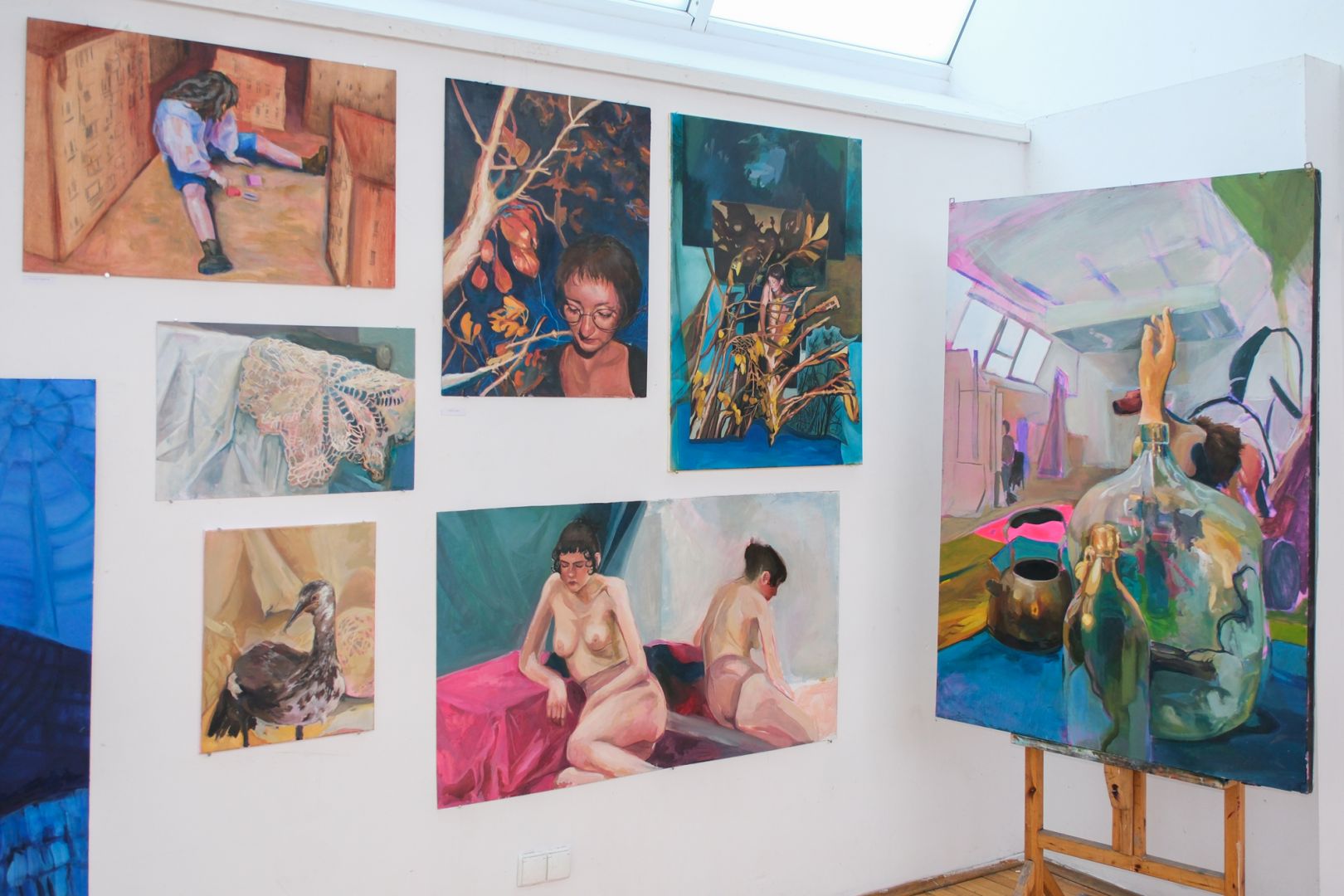
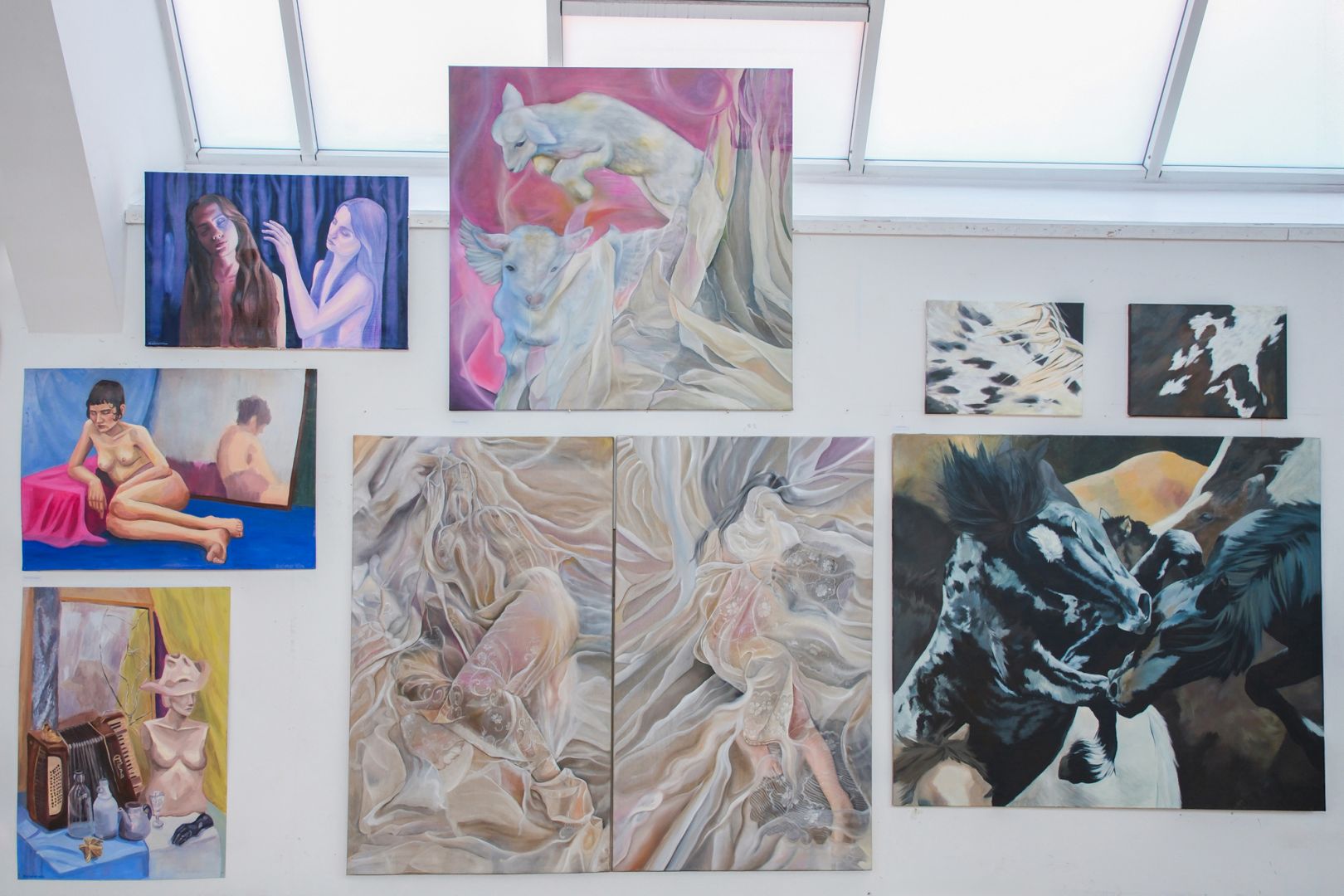
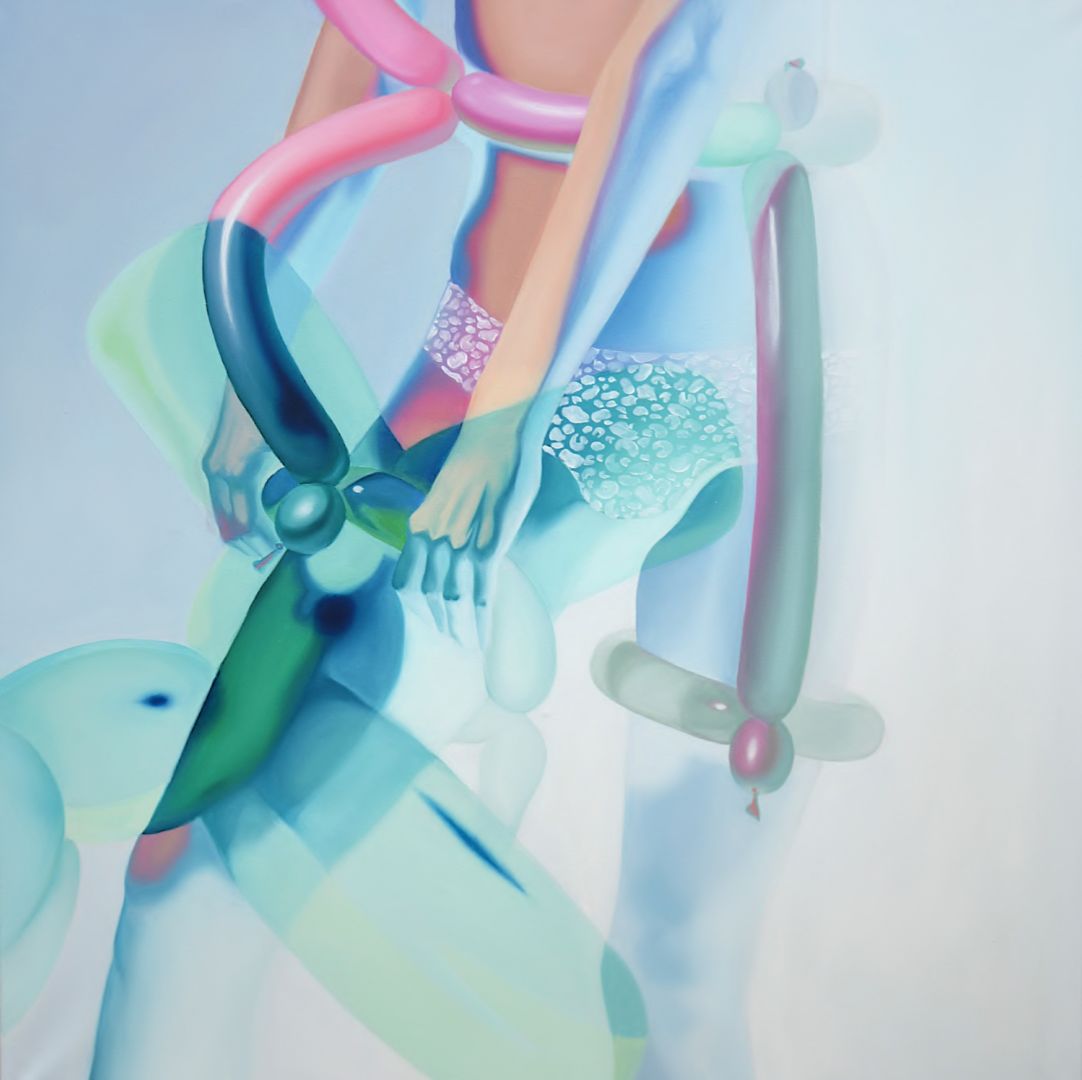
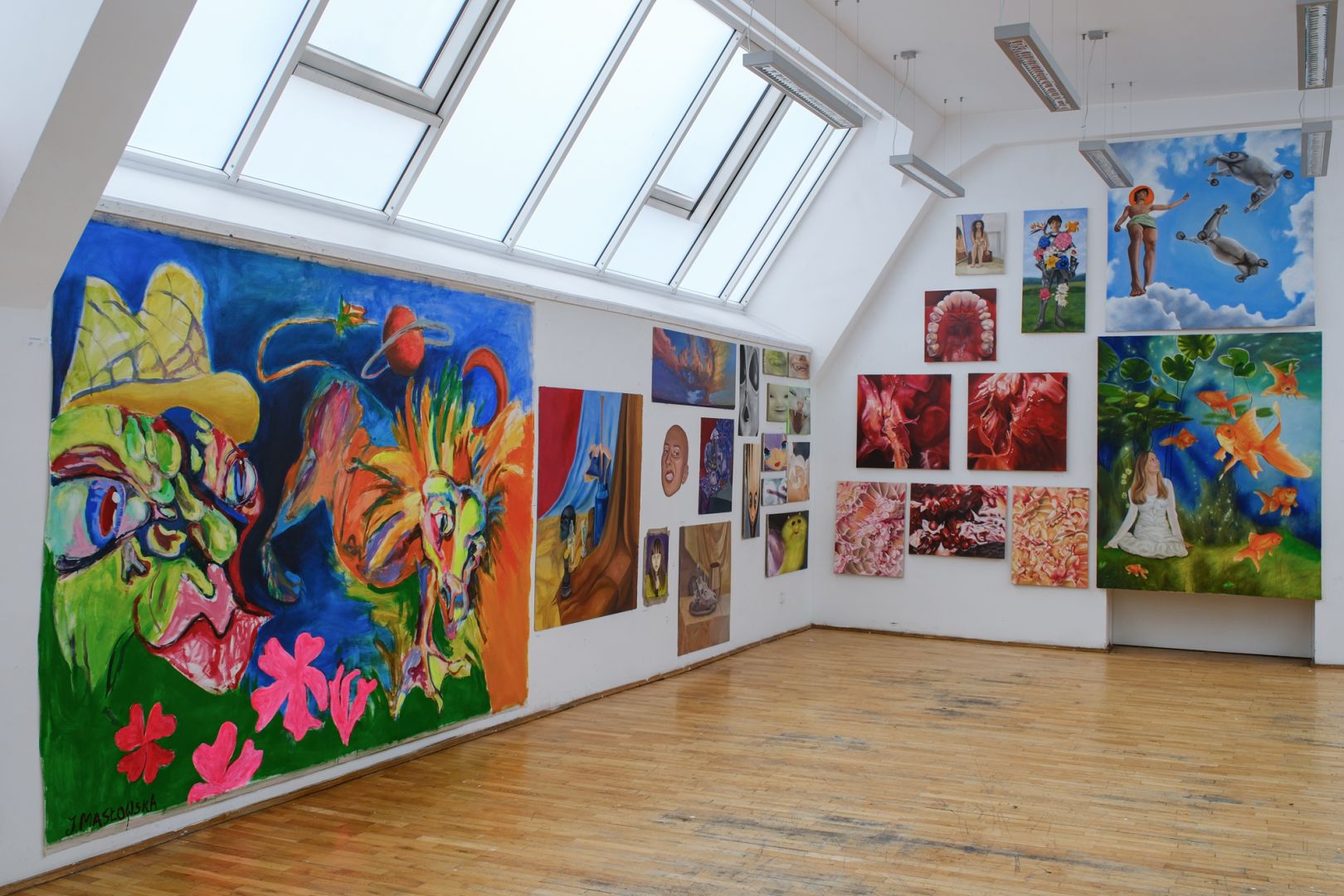
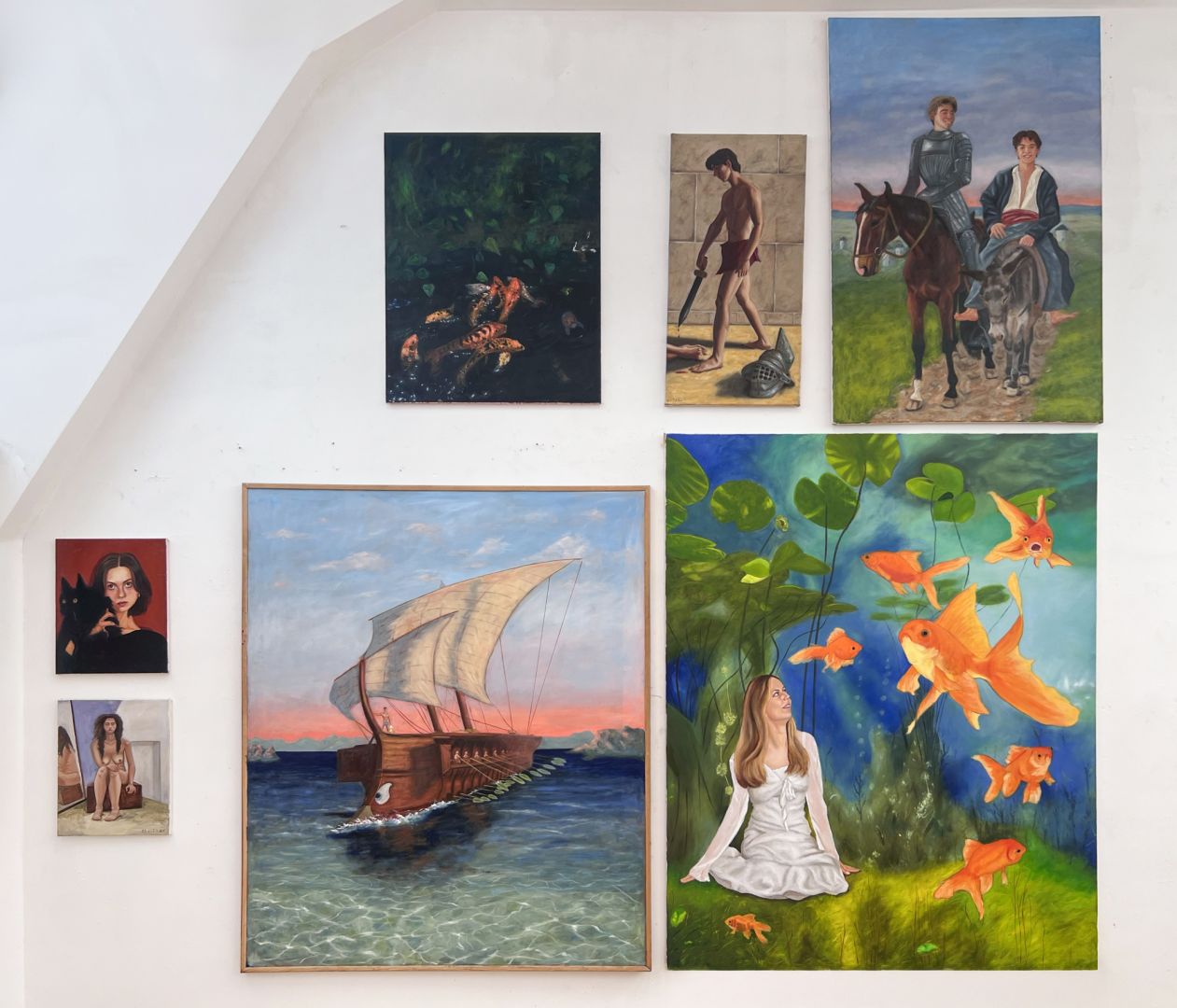
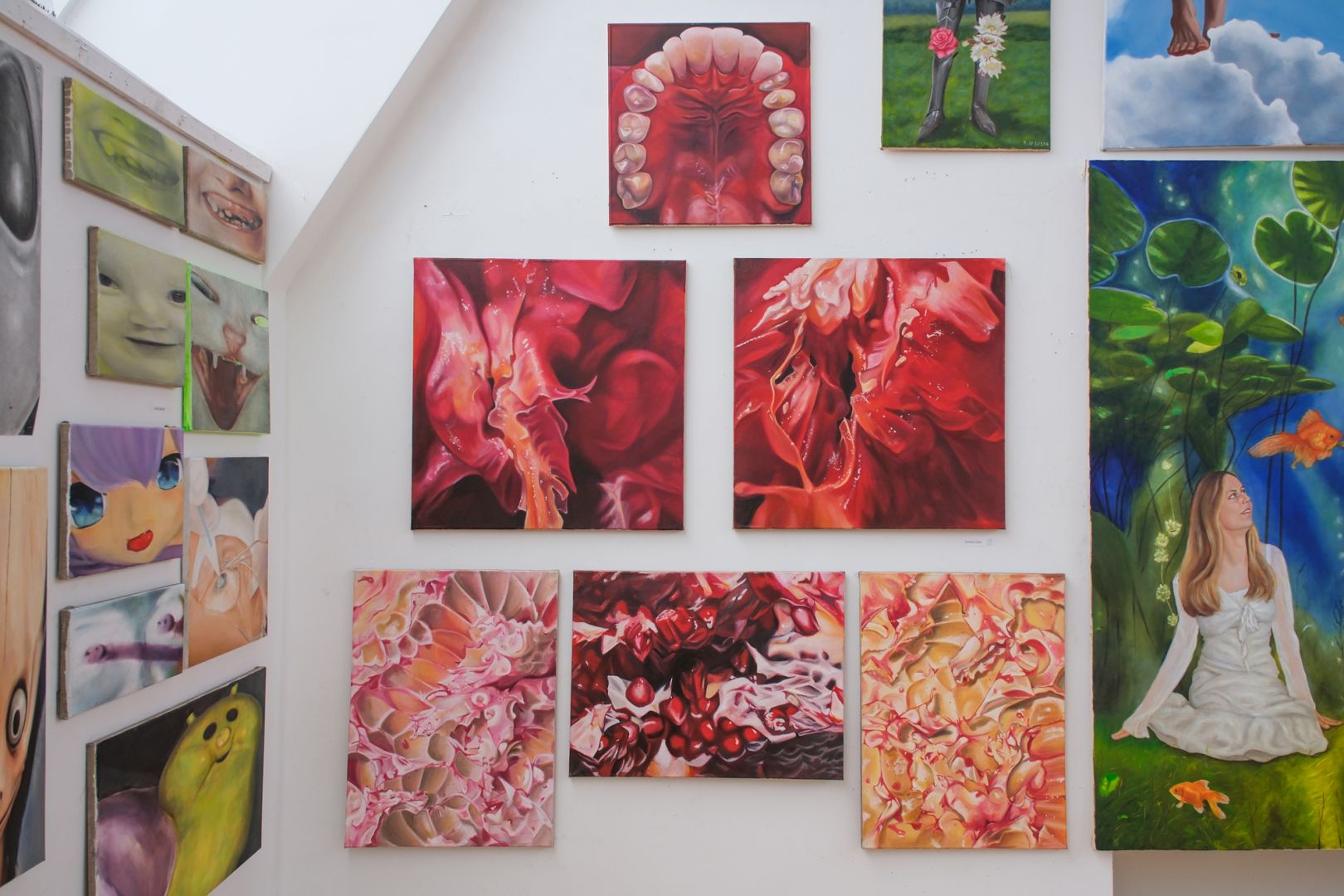
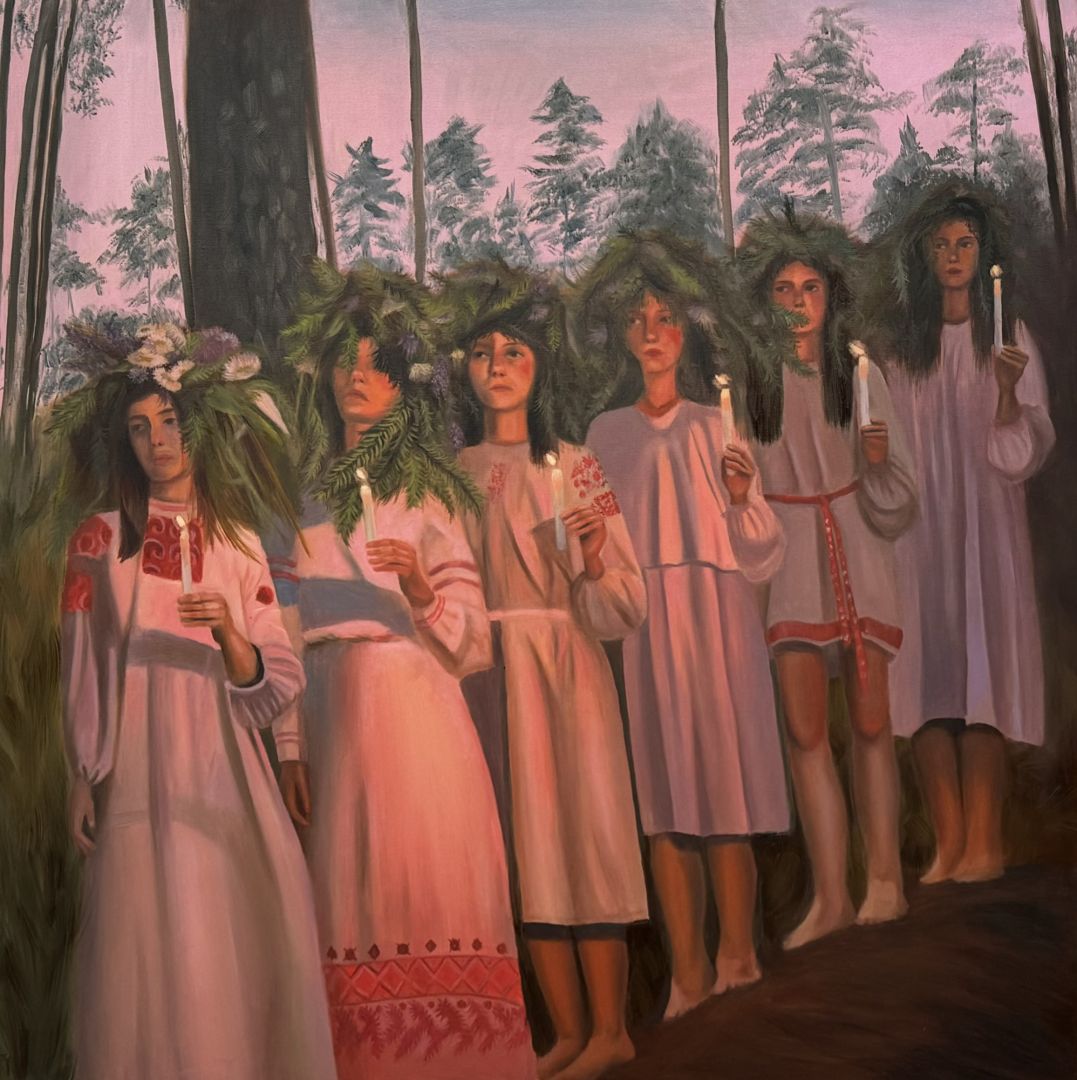
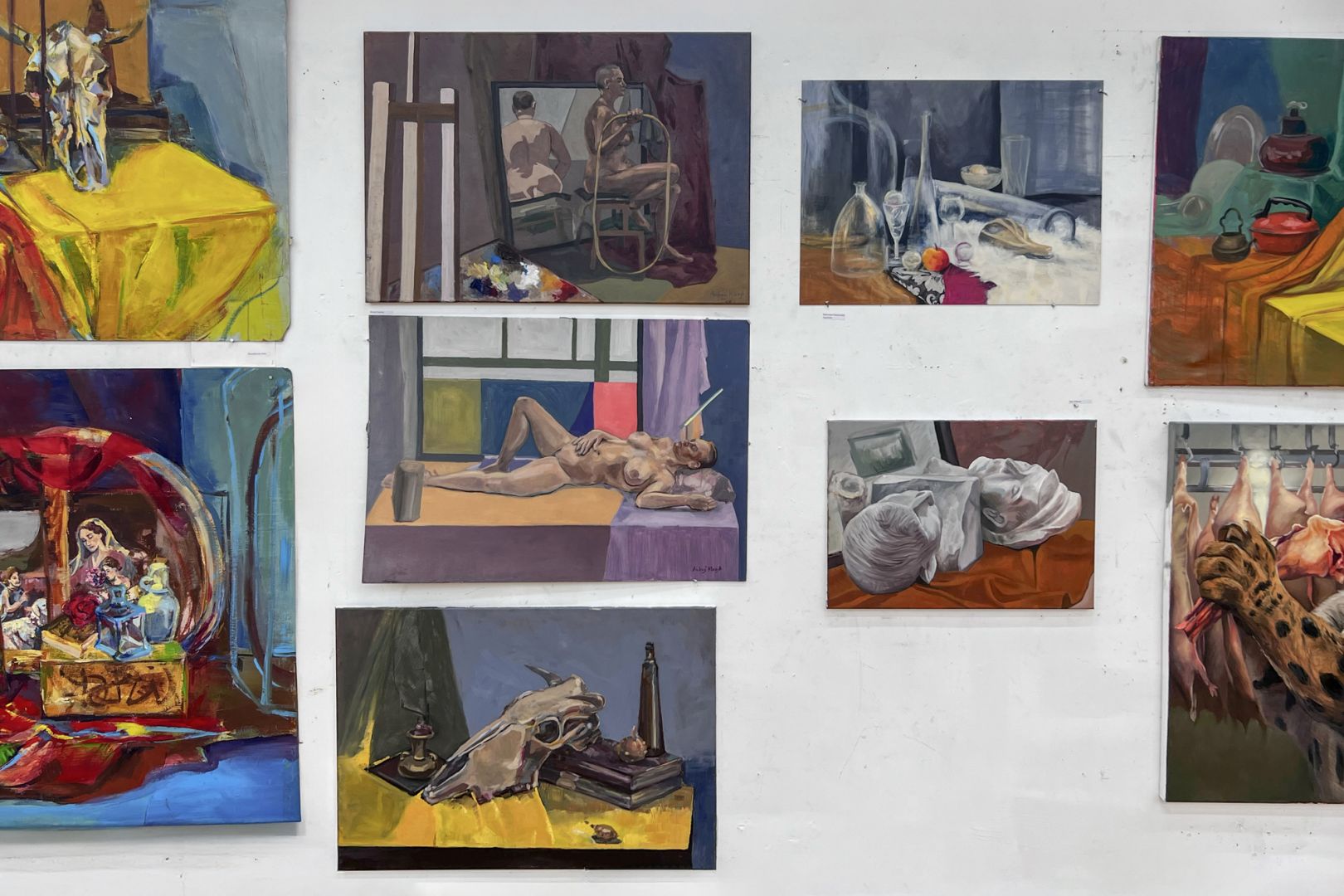
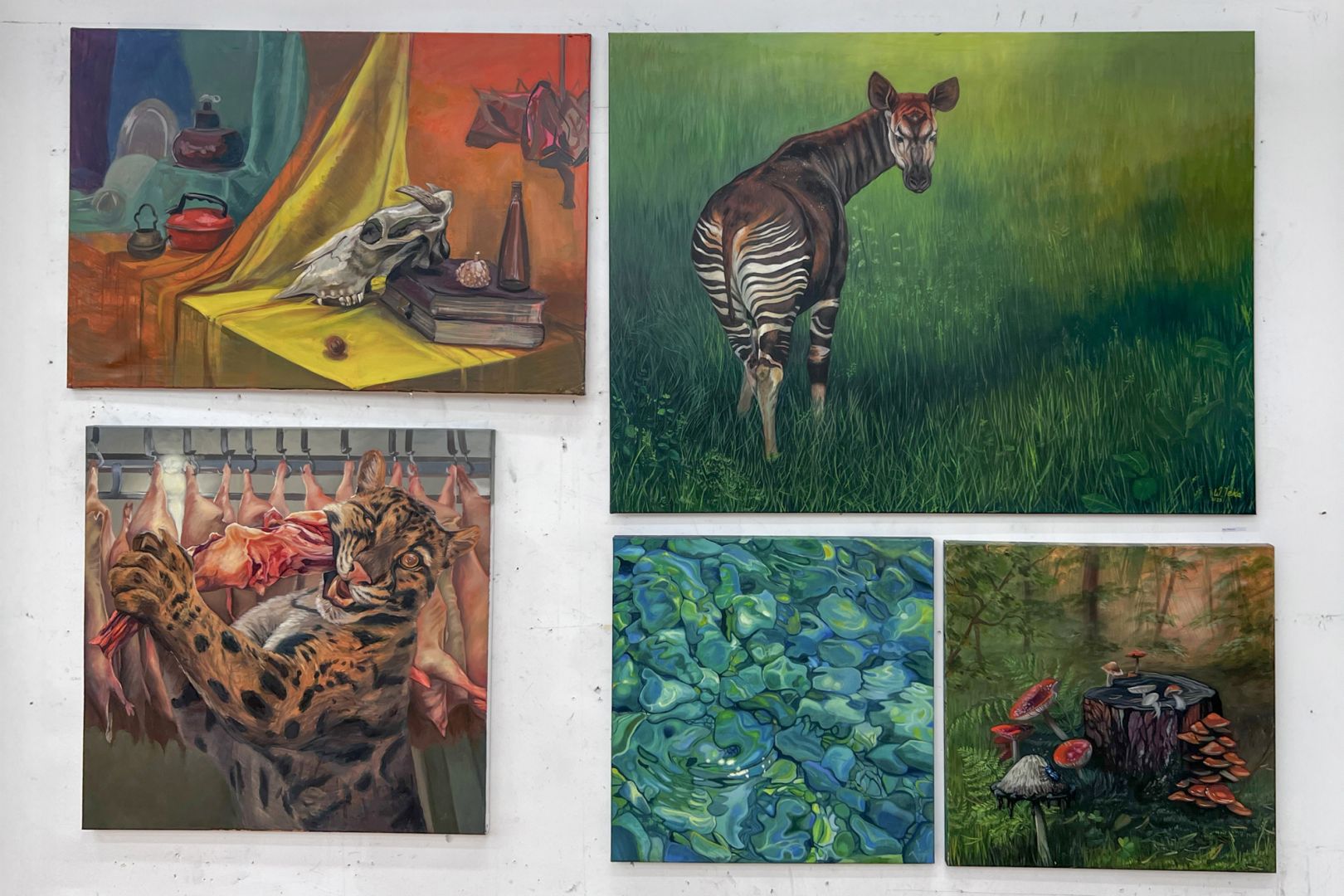
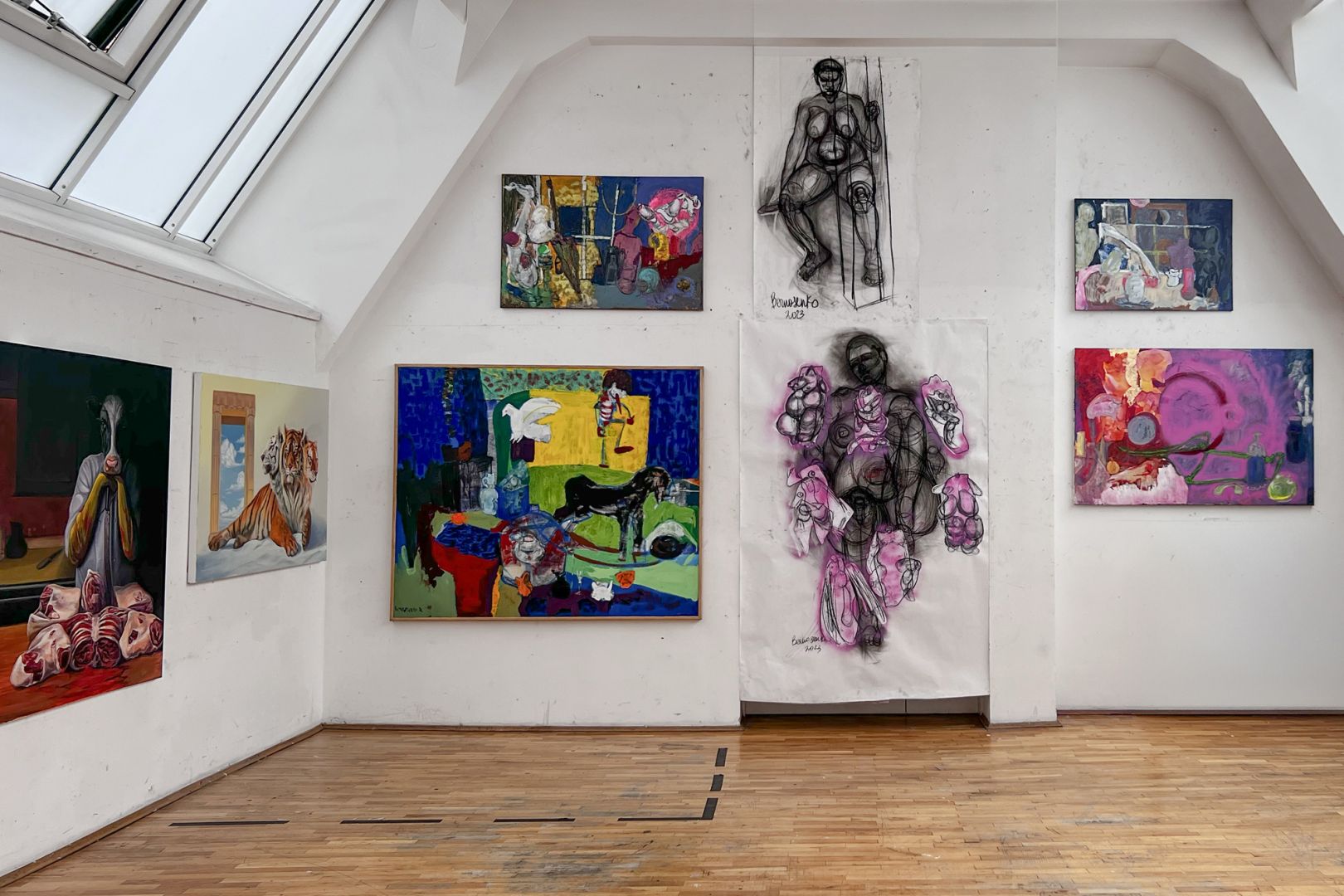
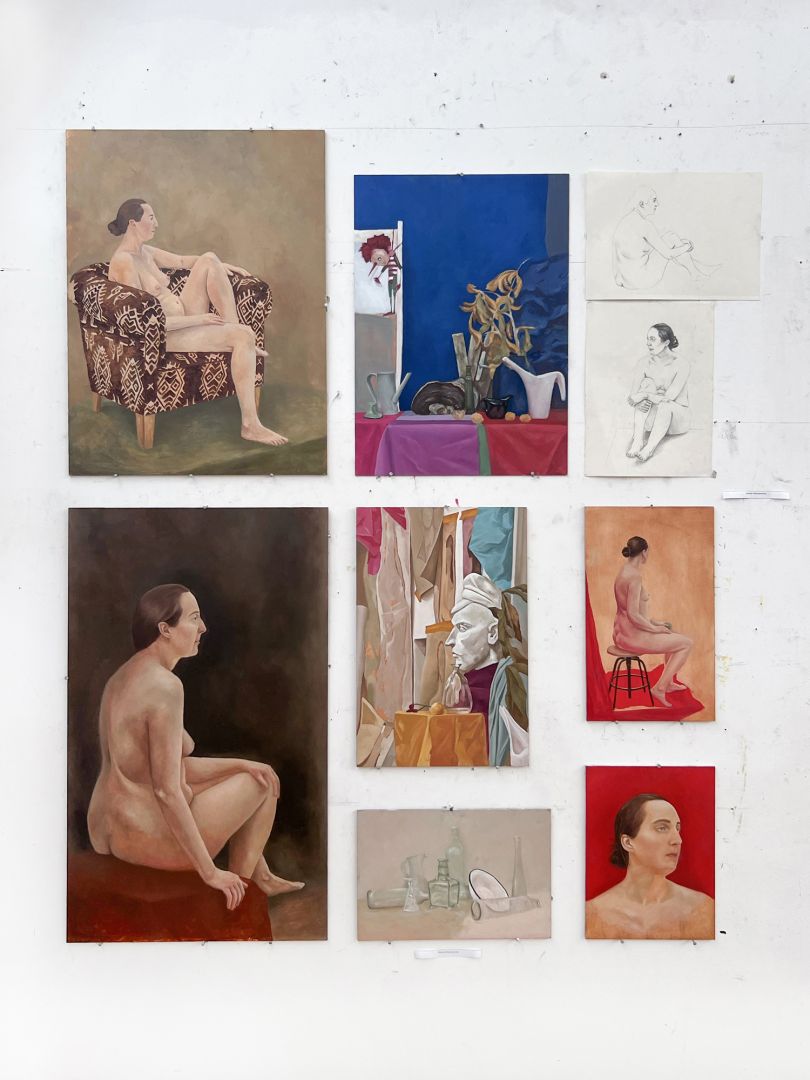
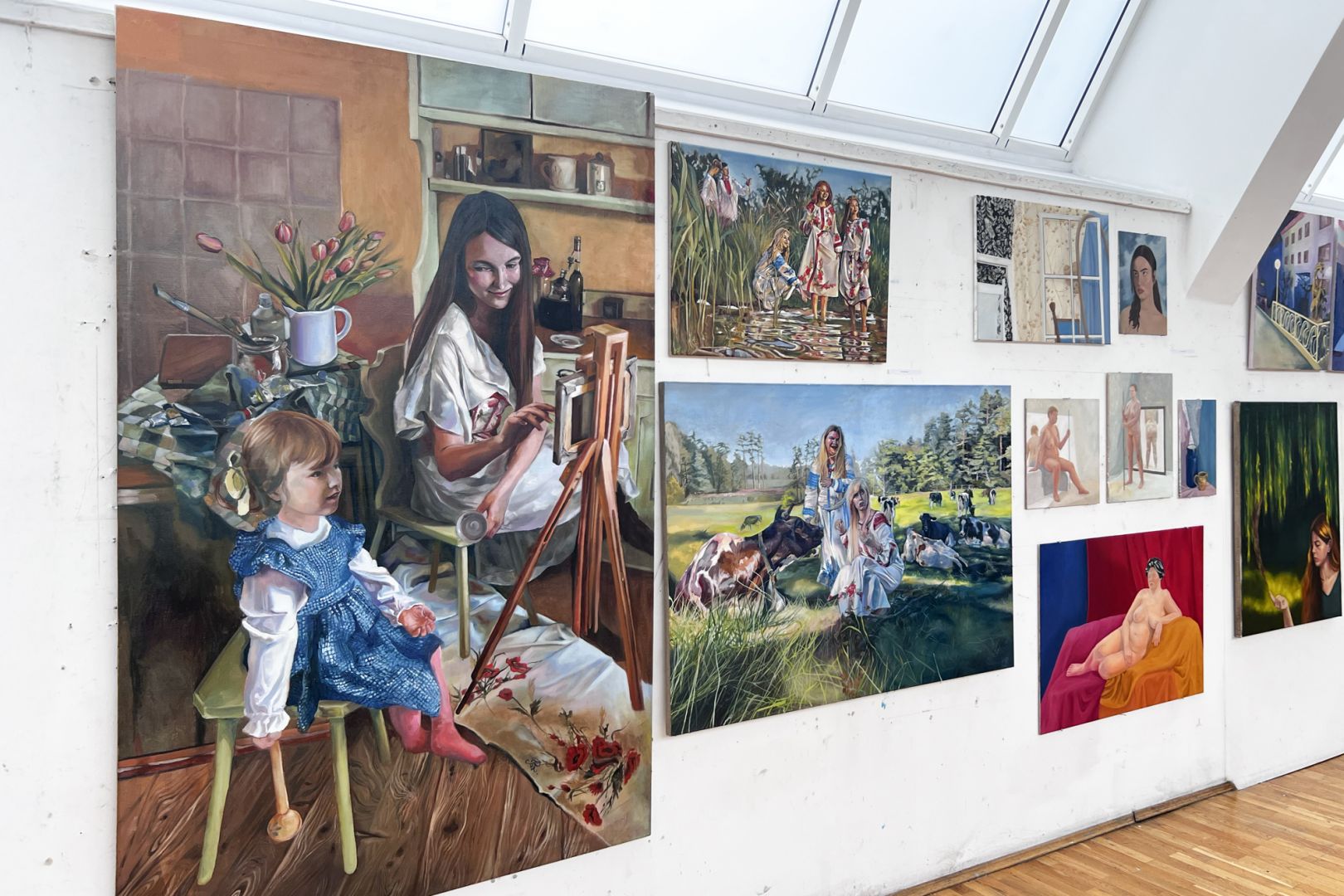
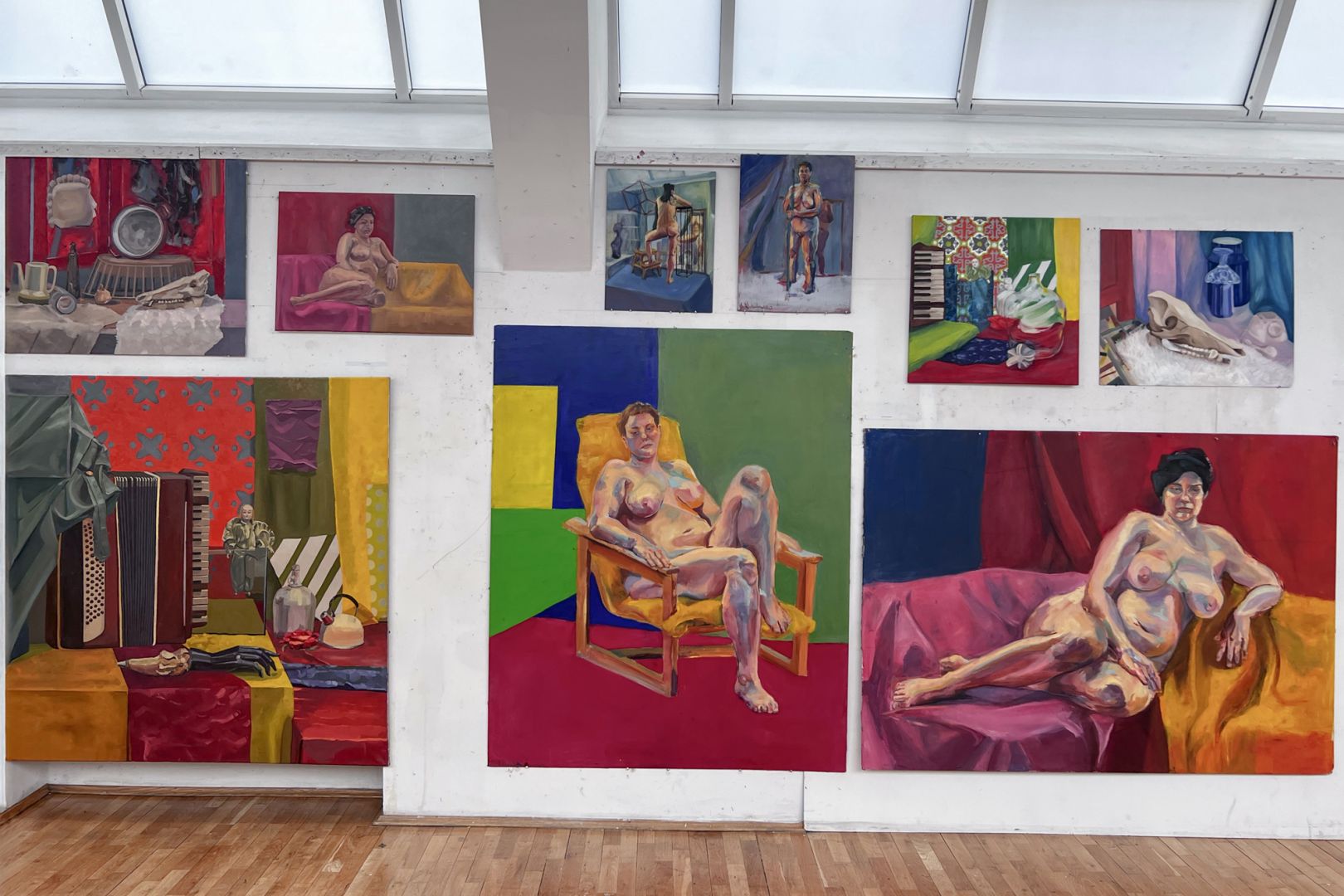
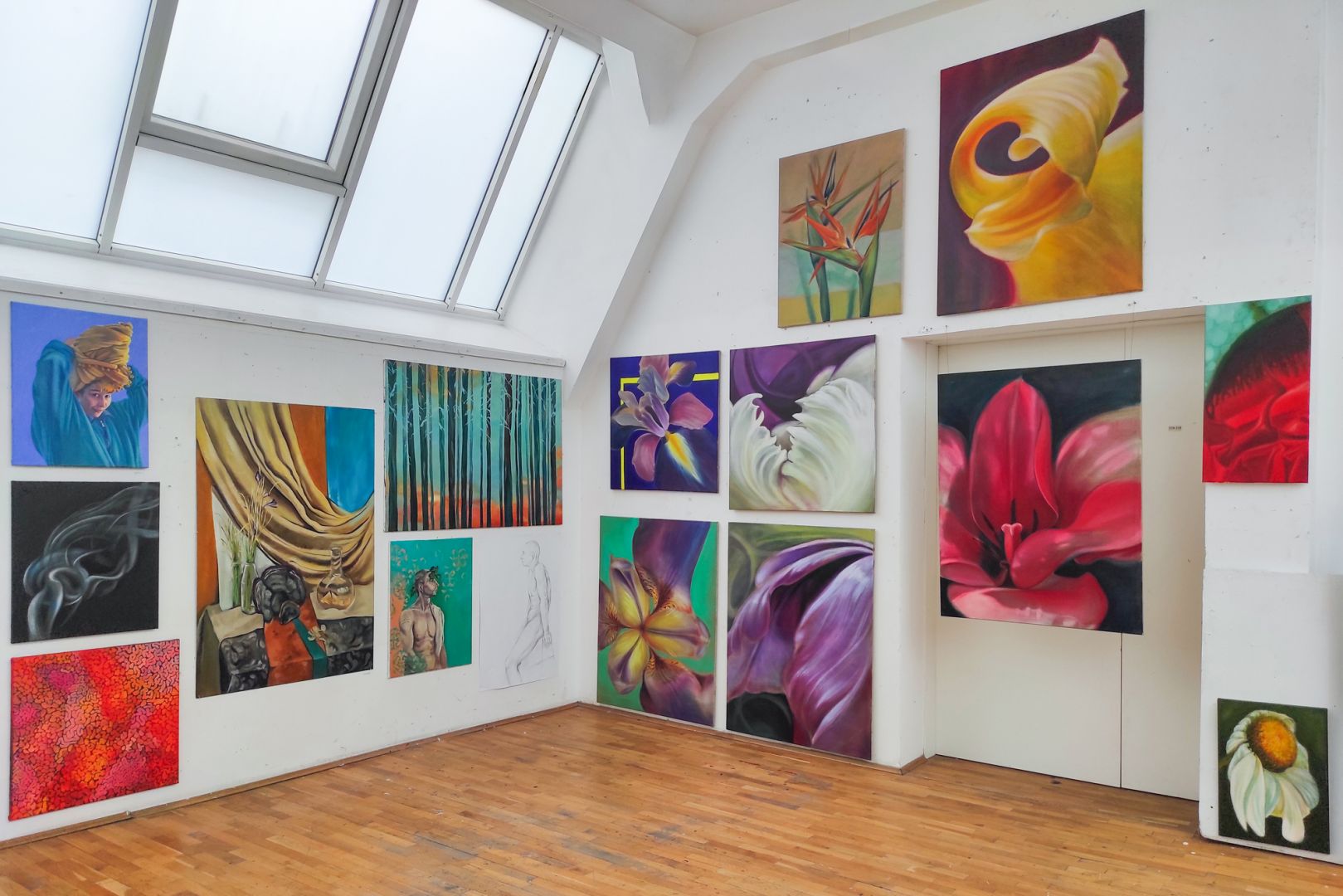
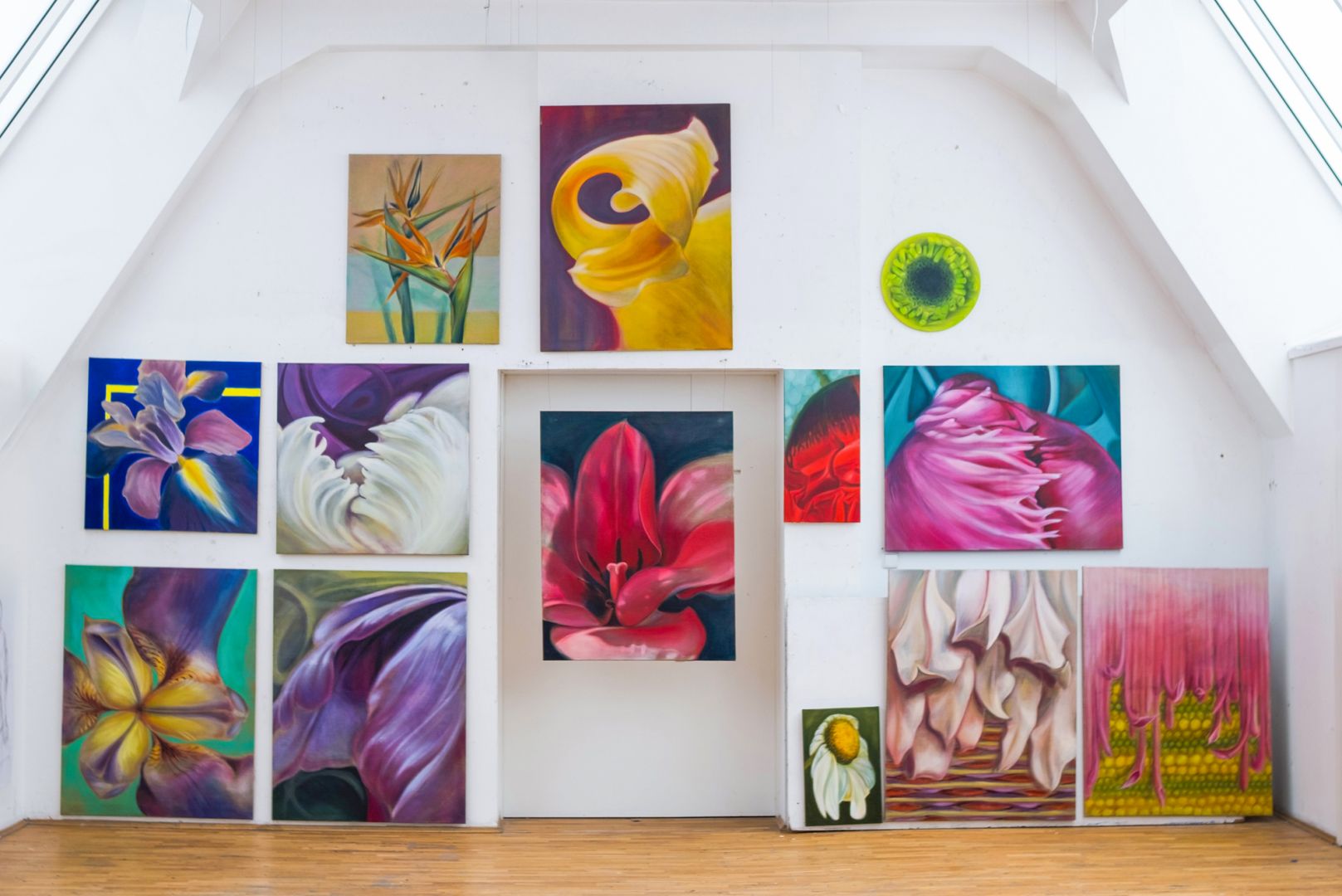
The aim of the studio programme is the conscious and individual development of the student. Developing the ability to see and think is an important element of education which builds the technical skills of a contemporary artist. Technical preparation and experience enable the free use of various techniques, but also deepen the possibilities of expression. Learning to observe allows the student to notice the complexity of the phenomena of colour construction, makes him aware of the problem of reinterpretation and the issue of breaking down the form, of showing the visible and the invisible.
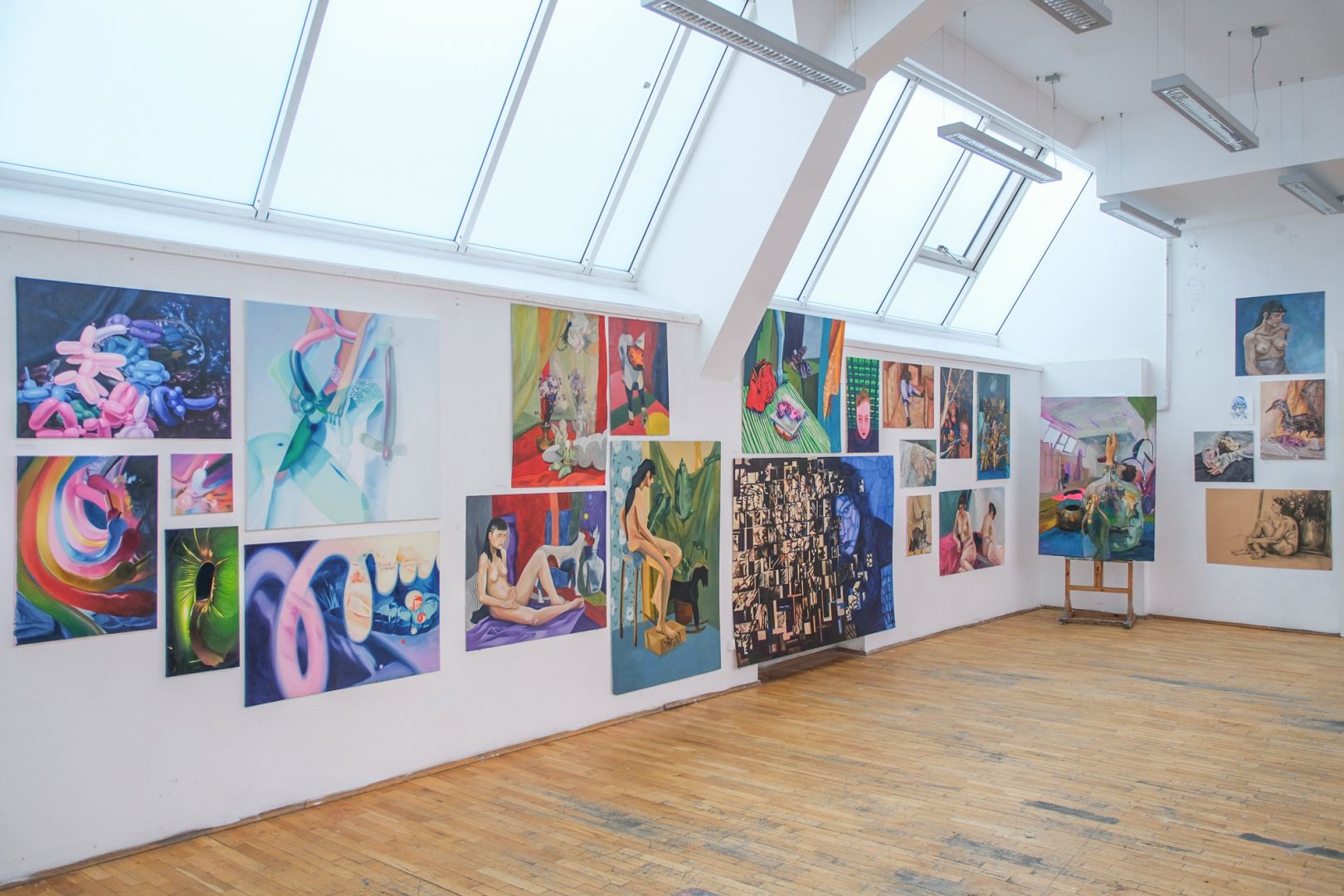
The studio is where the students are transformed. They have at their disposal thematic settings, a model, tasks–topics. The tasks show that a painting theme, despite its simplicity, can hide a deeper message, allows to stimulate imagination and think independently. In addition, the theme allows to explore the area of the concept of an image and draws attention to the broader context of painting that touches on its meanings, which exists outside the picture itself.
An important element of education is to make the students aware of and familiar with the essential elements of contemporary image aesthetics; this concerns the concept of the inexpressible and the absent. The topics and their level of advancement will depend on the student’s own aspirations and skills.
Discussions are an important element of the work. Discussing exercises, conversations in the course of work, reviews of work during and at the end of the semester and semester exhibitions all teach to express one’s opinions about the work and to evaluate and perceive phenomena that are usually hidden in the picture and are the carrier of its silent discourse. Moreover, meetings in the studio, in the gallery, at the exhibition, or outdoor trips stimulate the intellectual development of the student. The student is obliged to keep an artistic notebook.
The condition for obtaining a credit and a grade is participation in studio classes, realisation of required tasks, satisfactory degree of involvement, development of skills, progress in work and presentation of required works at the end of the semester.
Literature: