Academy of Fine Arts in Gdańsk
Targ Węglowy 6, 80-836 Gdańsk
NIP: 583 000 93 46, REGON: 000275820
+48 58 301 28 01, kontakt@asp.gda.pl
Academy
Students

Sponsors
Partners



Academy of Fine Arts in Gdańsk
Targ Węglowy 6, 80-836 Gdańsk
NIP: 583 000 93 46, REGON: 000275820
+48 58 301 28 01, kontakt@asp.gda.pl
Academy
Students
Sponsors
Partners
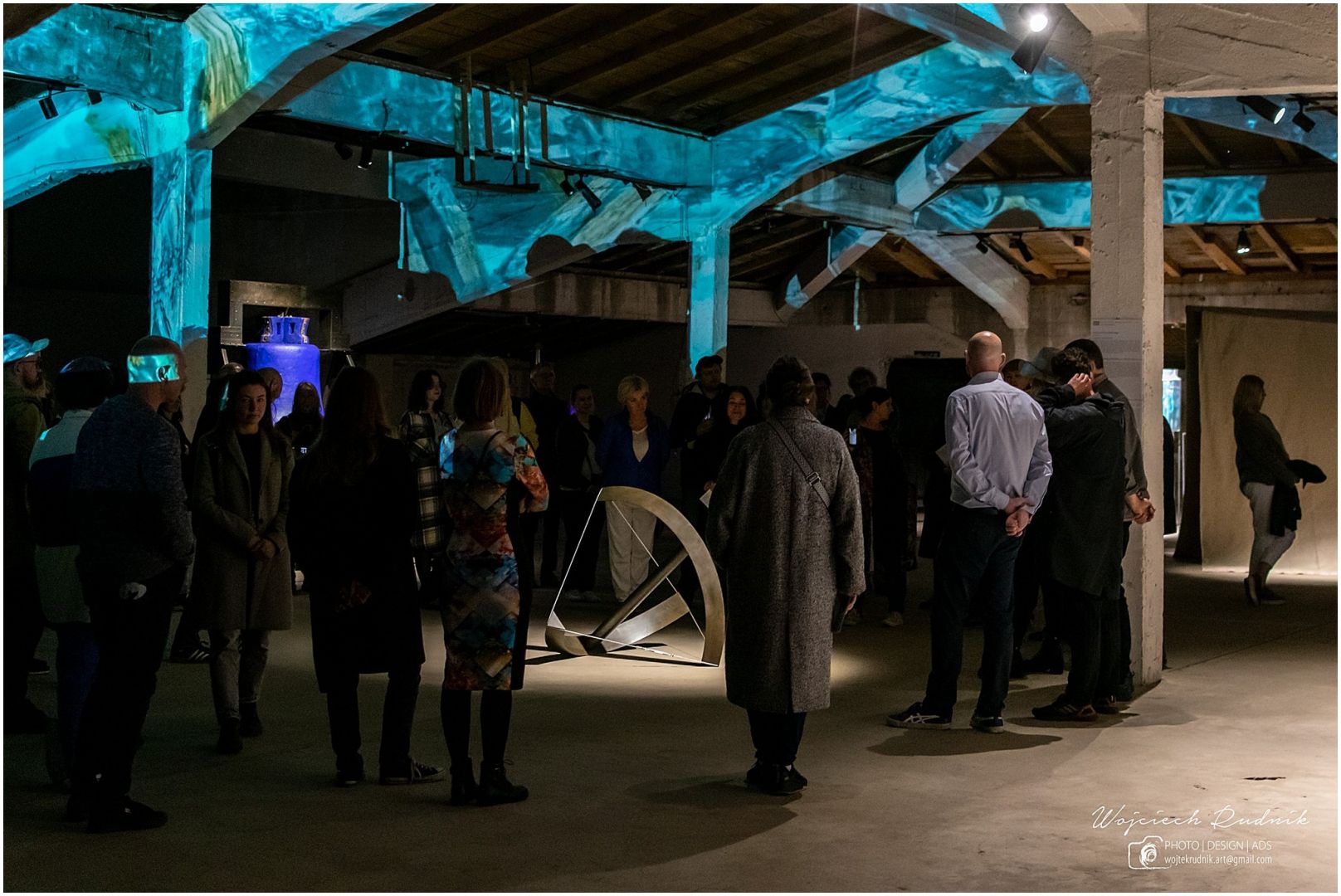
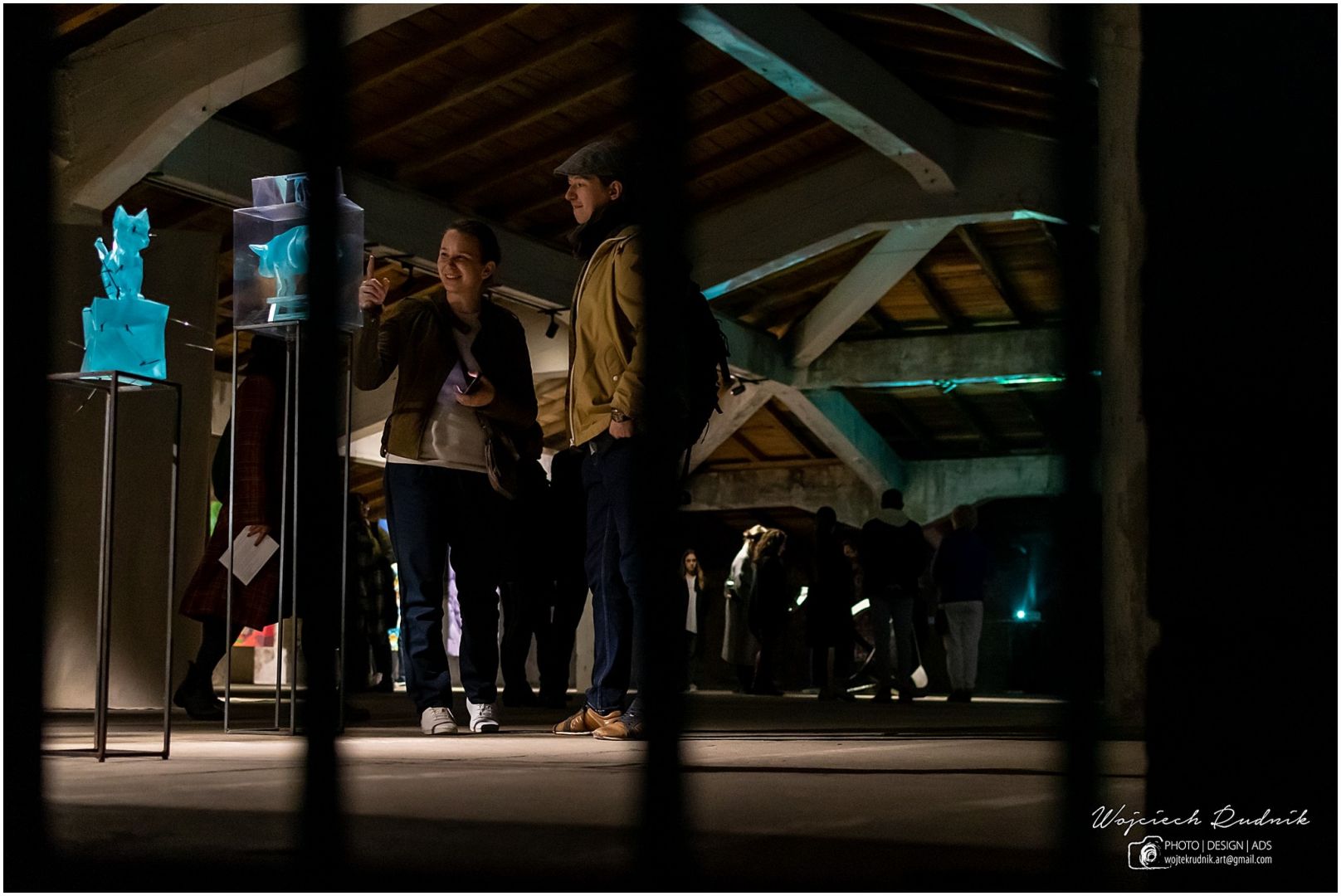
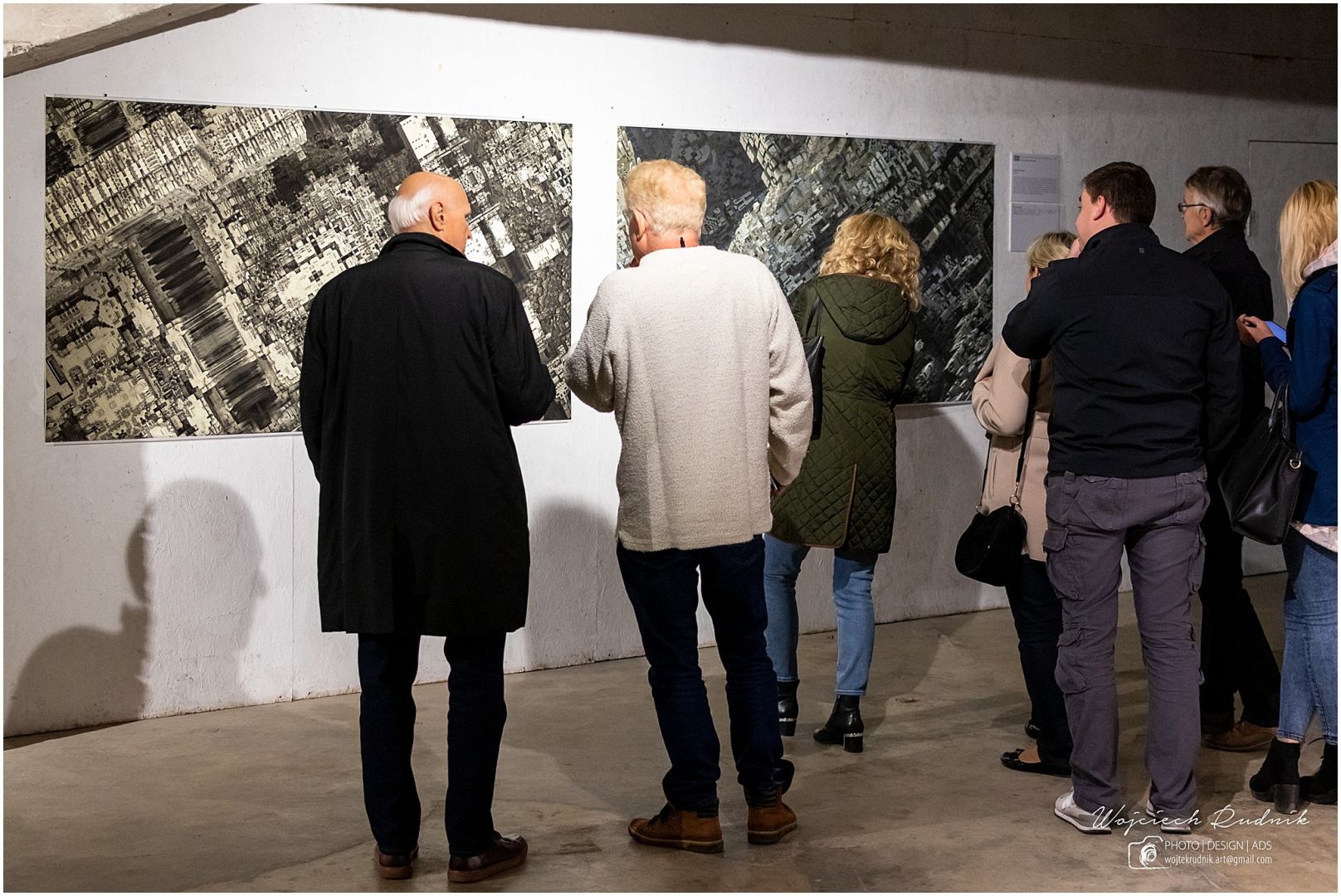
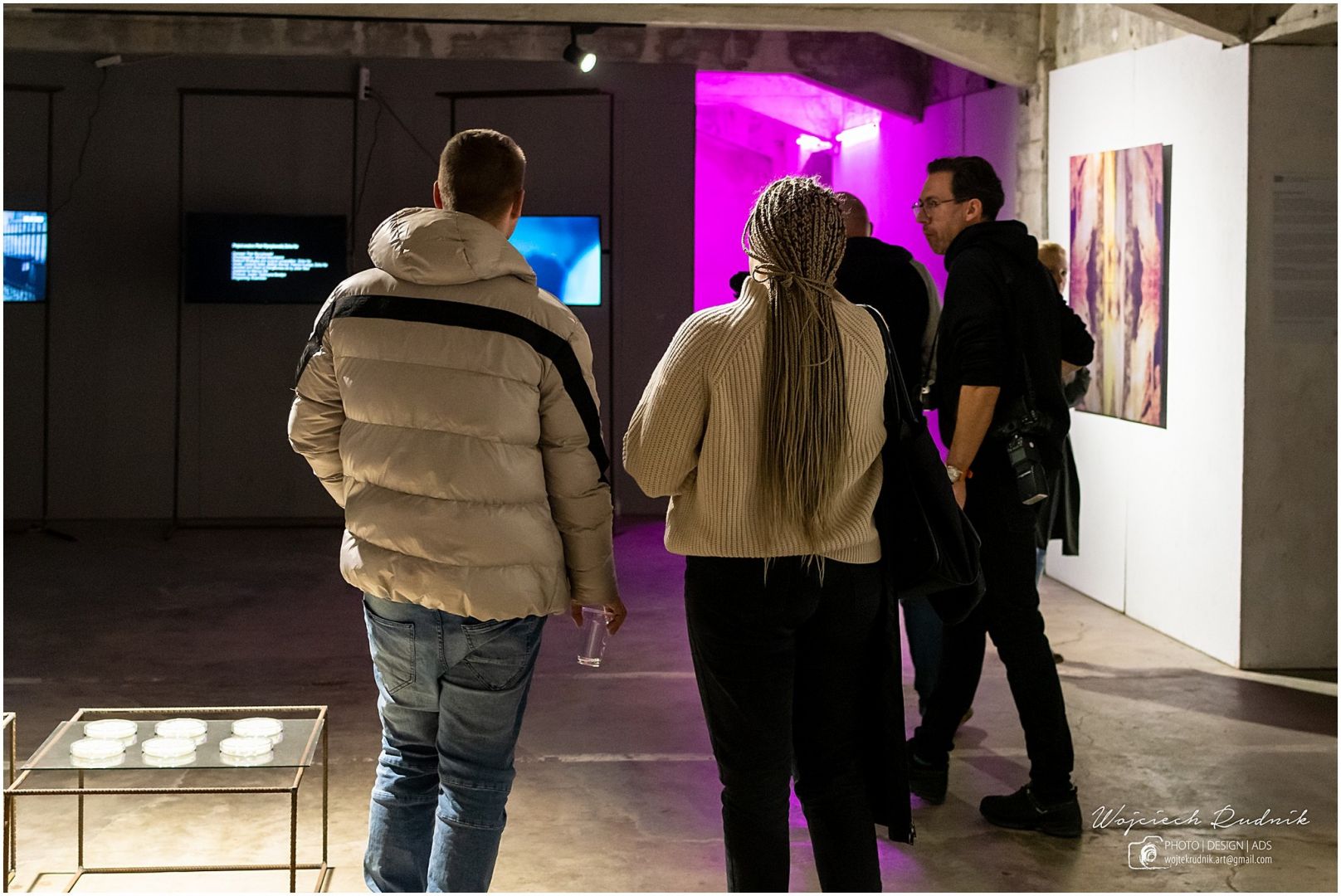
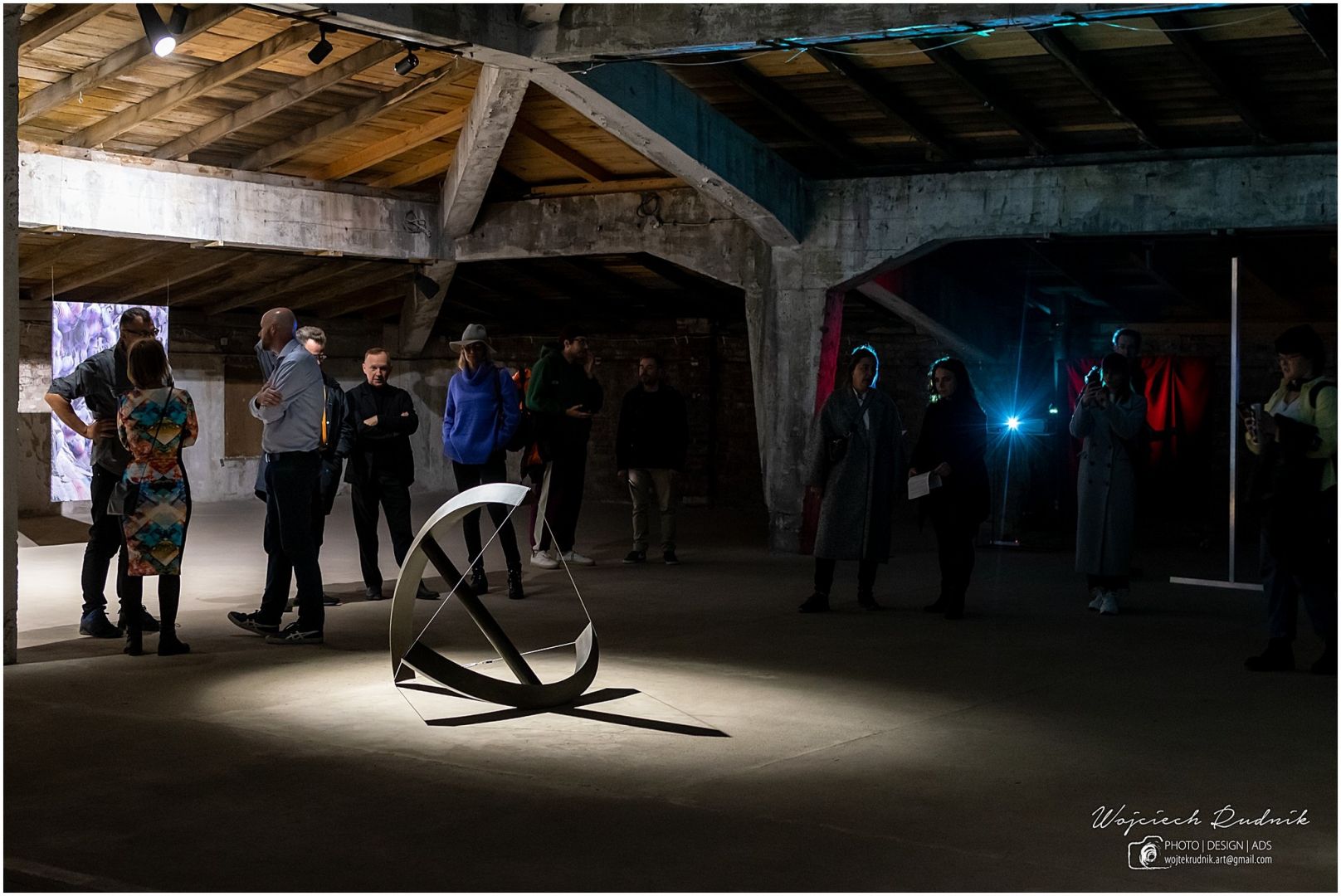
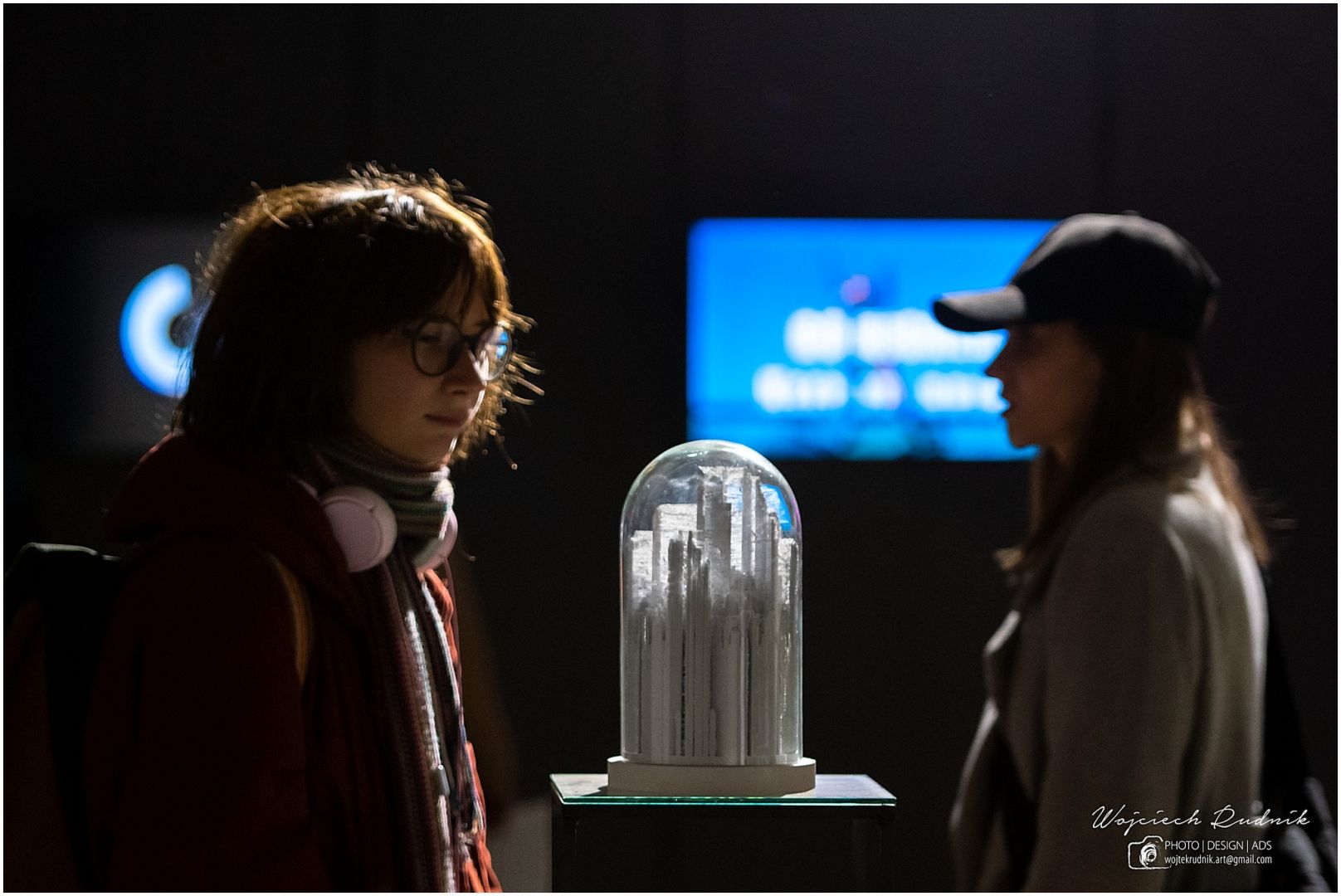
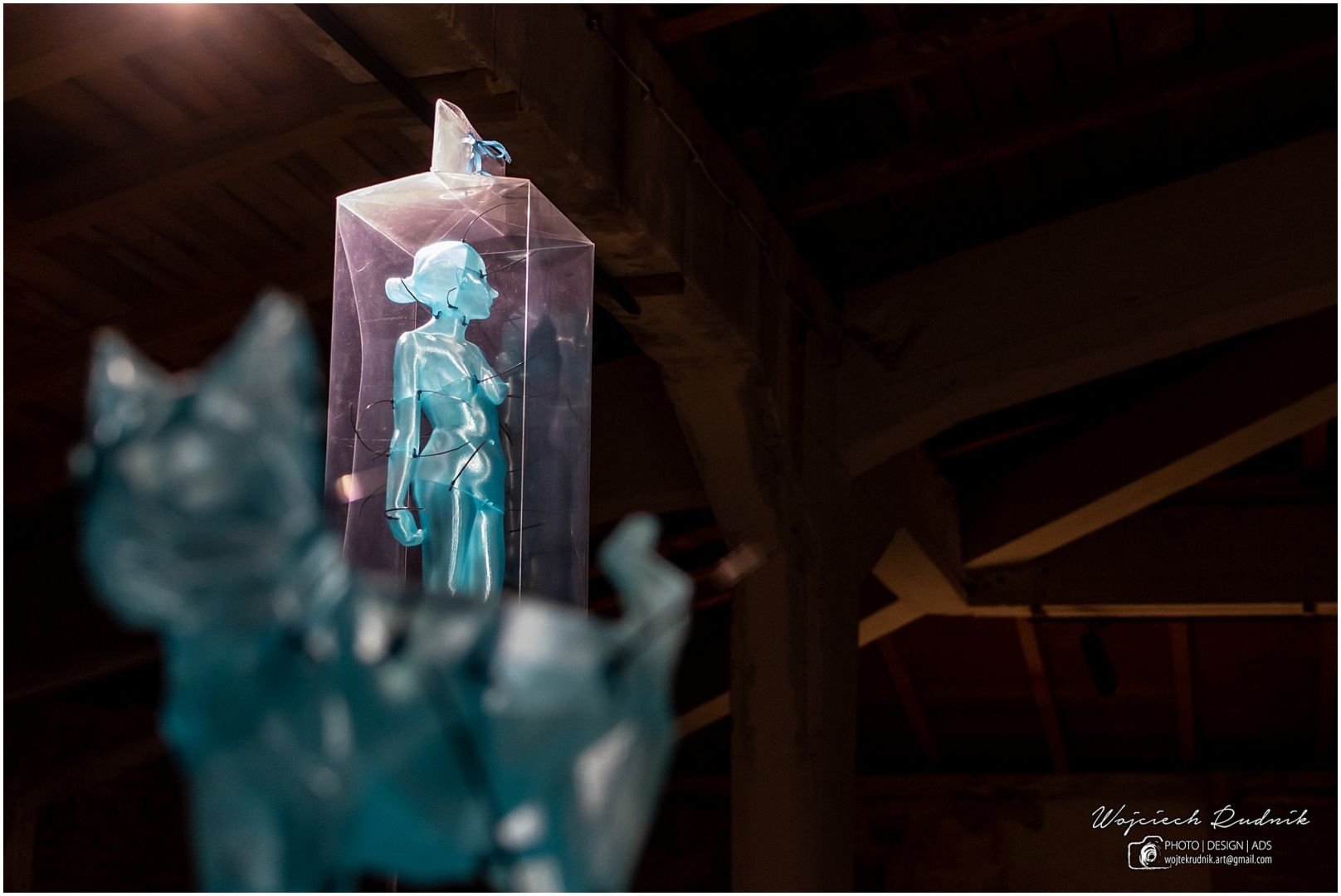
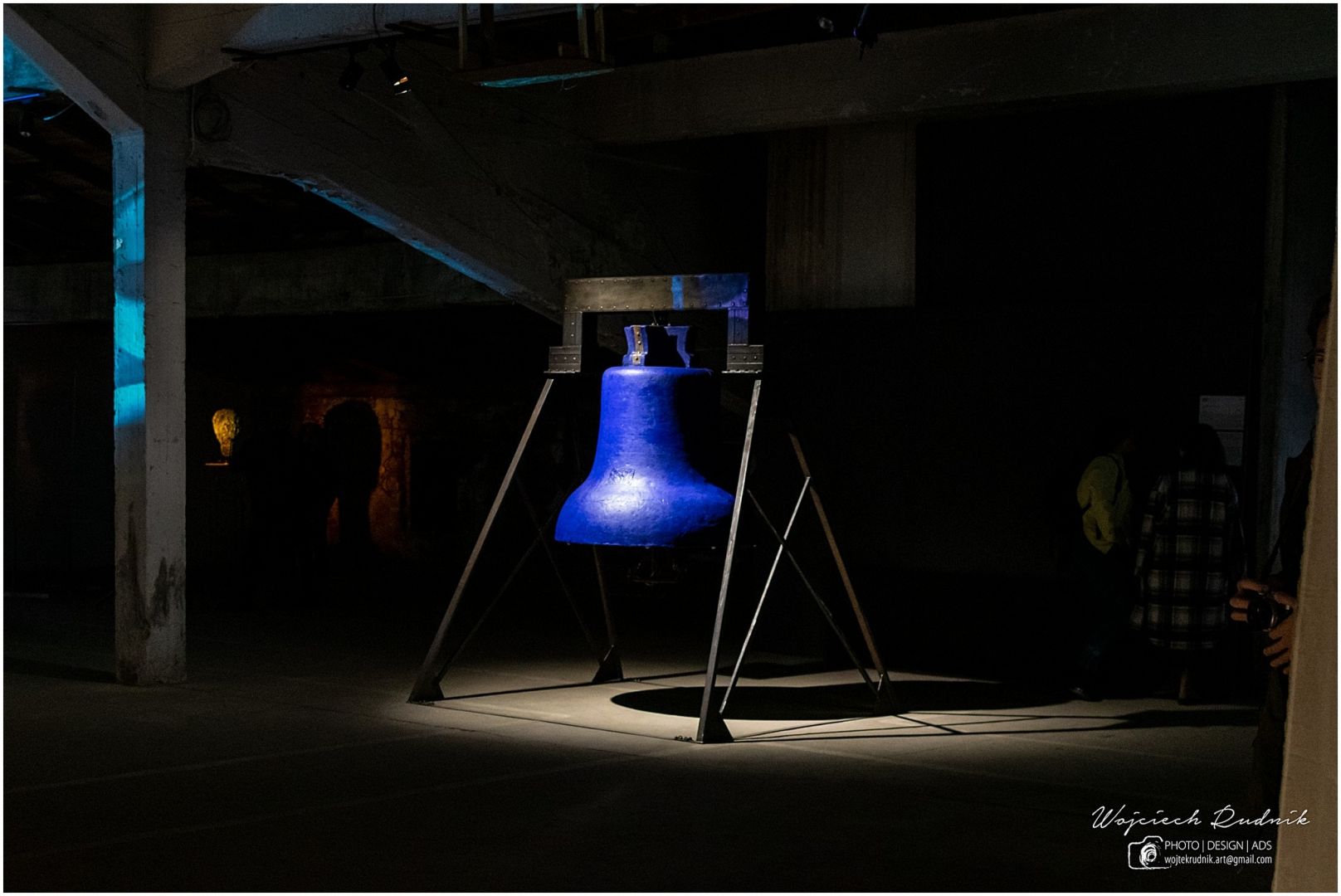
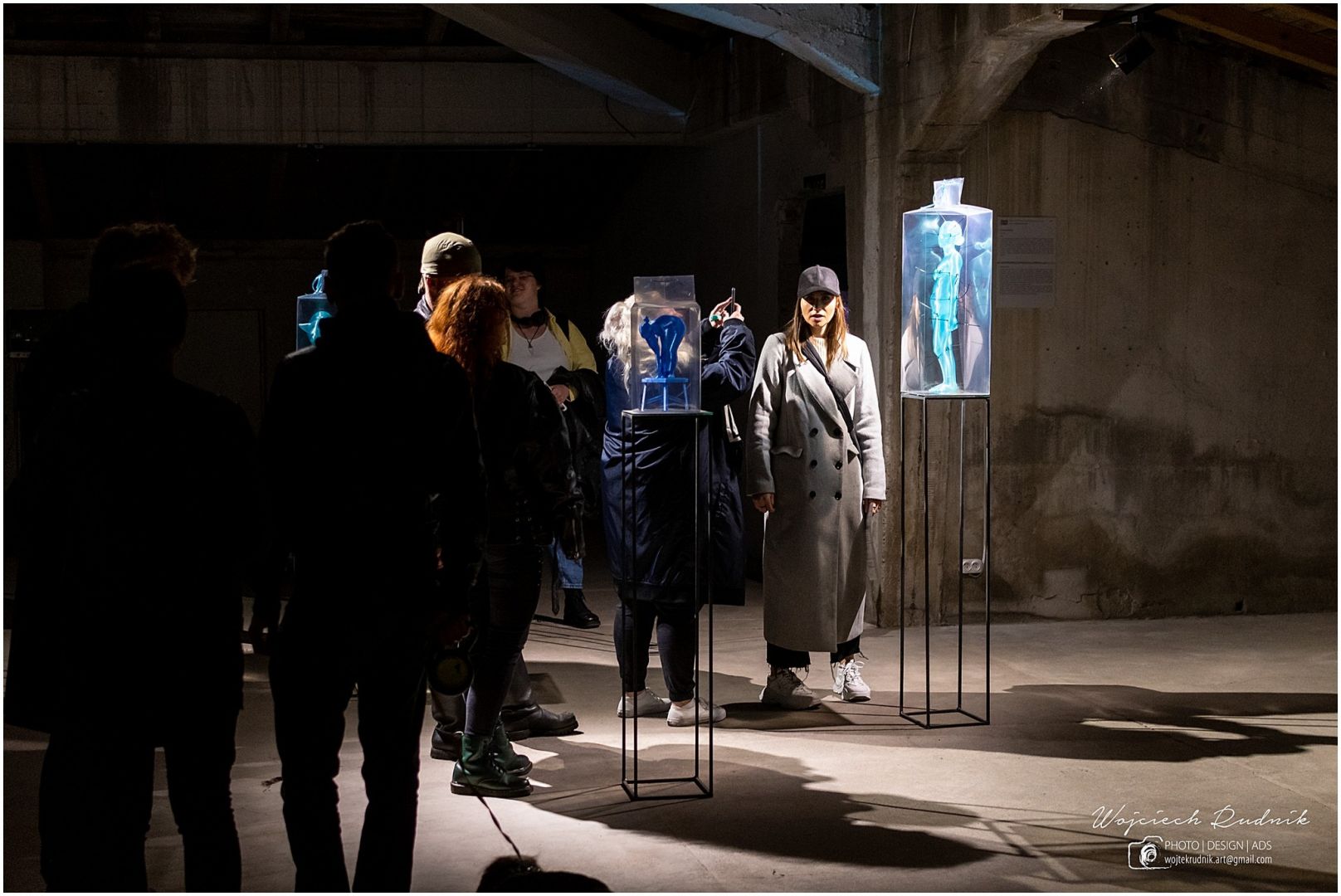
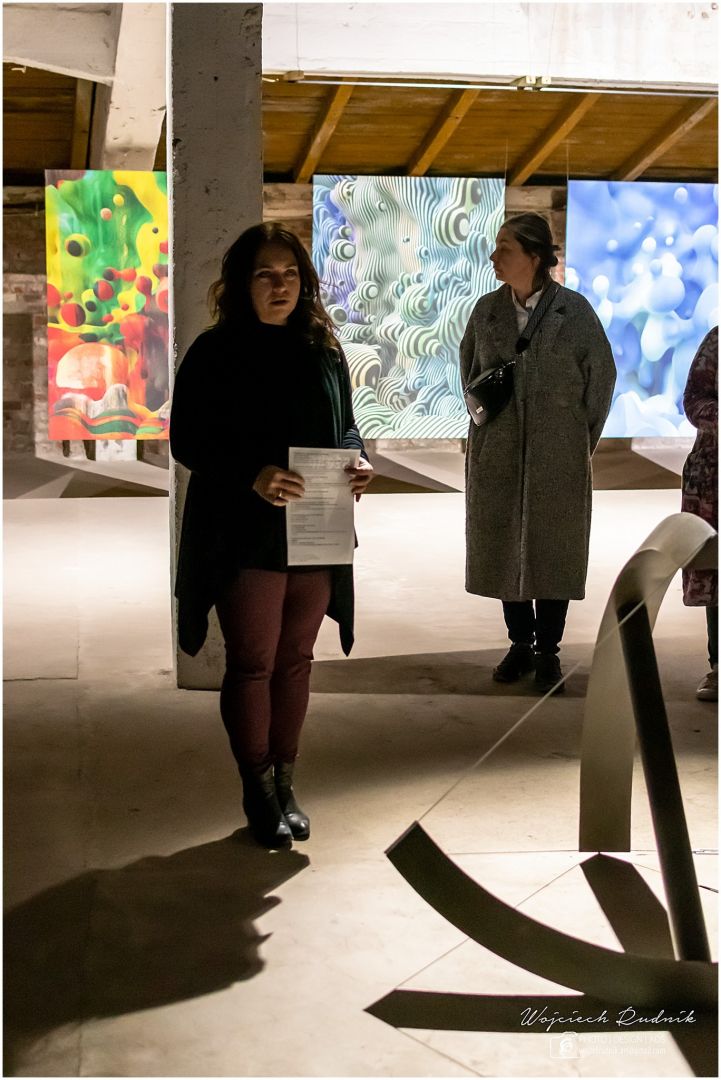
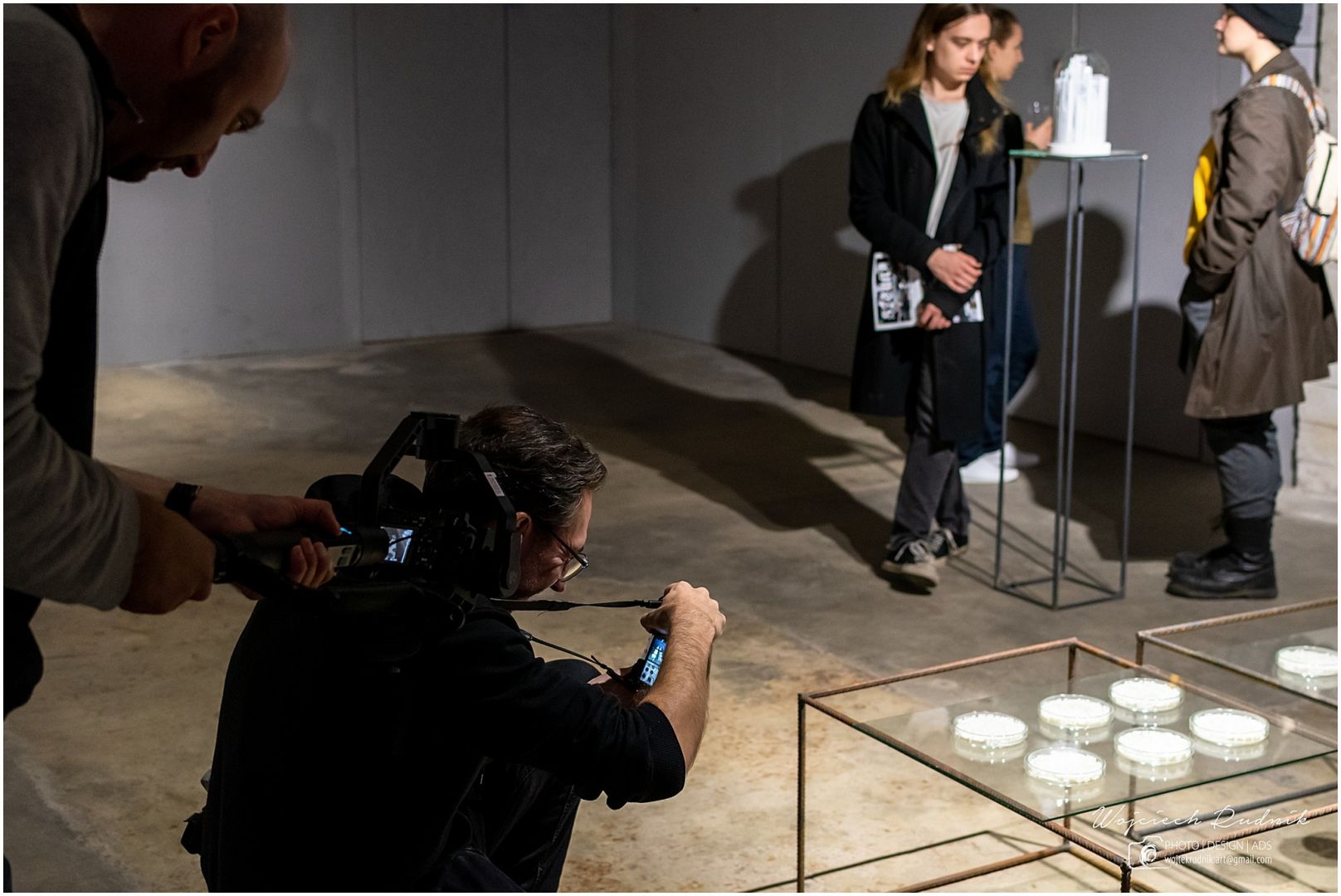
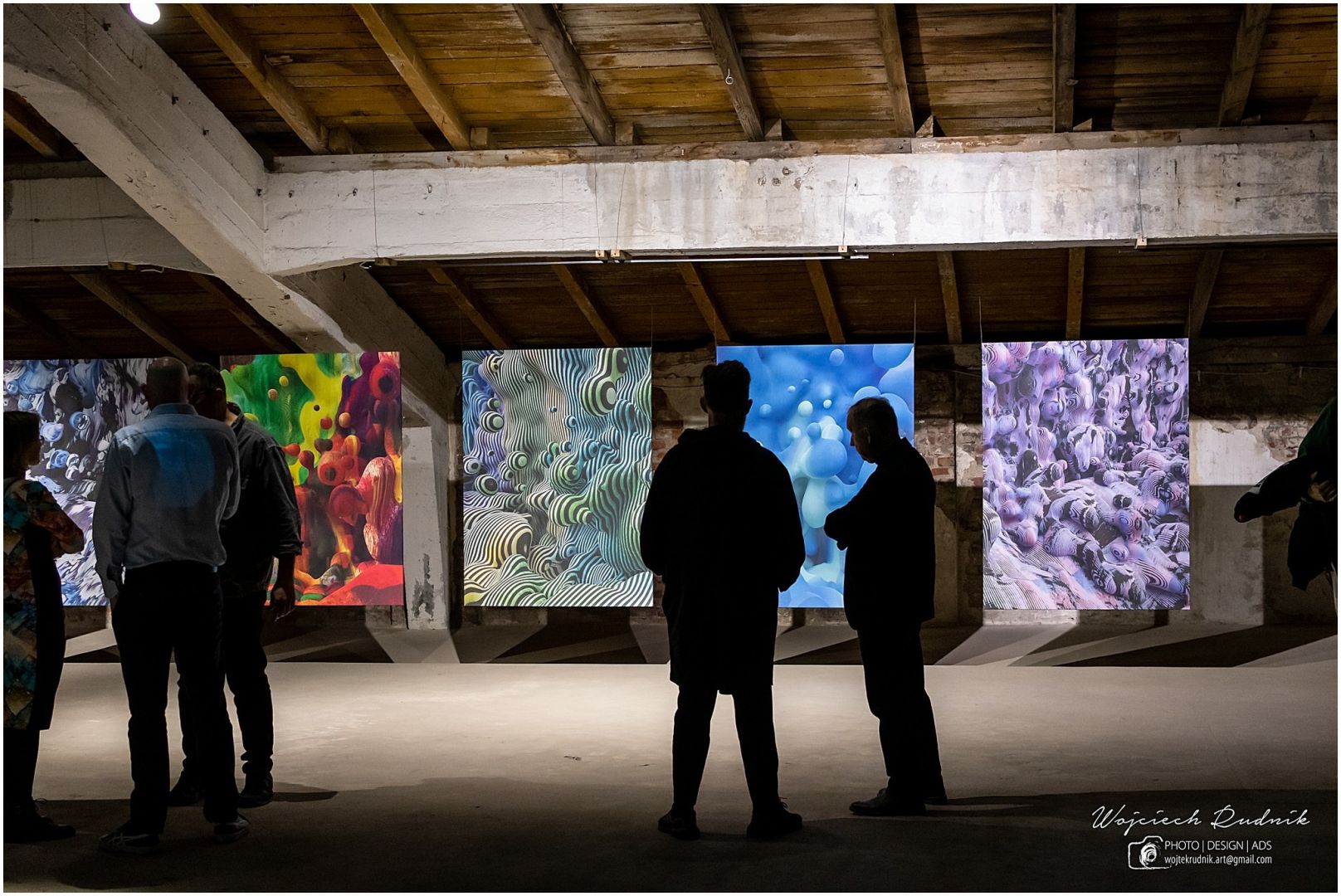
The international art and research project Numerical Art was launched in 2022. The project brings together artists, art and digital culture theorists, philosophers, cultural scientists, and media theorists with the aim of developing new perspectives on art by combining different strategies and theoretical approaches to art created using digital tools in the age of the Fourth Industrial Revolution. The Numerical Art project investigates and problematizes new ways of creating and presenting art using technology, subjecting them to deeper reflection in artistic, cognitive, and ethical contexts. During the two editions of the project, a space was created for reflection on art defined by the use of digital technologies through exhibitions, seminars, conferences, workshops, performative activities, and artistic interventions. Over the course of two years, the project has become one of the most important events of digital art and culture in Poland and Europe. In addition to the annual events, which usually take place in October of each year, the Numerical Art project is a platform for the exchange of thoughts and ideas and a network of connections between artists, researchers, and audiences.
Team – go to the website
Curators – go to the website
Between Freedom and Control, 2022 – go to the website
(POST)digital Transformations, 2023 – go to the website
New generation – go to the website
Cross-linking
Thanks to Aleksandra Lukaszewicz, an exhibition of artists associated with the Numerical Art project was held outside Gdansk, primarily during the XR Festival. Liquid Spaces (Augmented Reality Festival) in Florence (IT) as part of the activities carried out in the research and artistic project CAPHE (Communities and Artistic Participation in Hybrid Environments), funded by the European Union. The exhibition entitled “Numerical Art – Fractality of the Universe”, curated by Aleksandra Łukaszewicz, was a hybrid exhibition, i.e. it combined physicality with various forms of digitality and was presented between June 13 and 17, 2024, in the Oratorio Santa Croce al Tiempo in Florence. The aim of the exhibition was to draw attention to the mathematical structure of the universe, which is fundamentally related to the characteristics of electronic layers of art, and at the same time fits in with the line of thinking present in pre-Socratic Greece, in the Italian Renaissance, up to research in the field of Art&Science, and also focuses on the different aesthetic experiences that can be evoked by technologically defined art. The exhibition featured the work of: Aleksandra Łukaszewicz (PL), Hanna Prądzyńska (PL), Zbigniew Romańczuk (PL), Radek Nagay (PL), Katarzyna Kujawska-Murphy (PL), Filip Wierzbicki-Nowak (PL), Andreas Guskos (PL), Arkadiusz Marcinkowski (PL), Andrzej Banachowicz (PL), Miastopracownia (PL), Miguel Coimbra (PT), Sofia O'Neill (PT), Miguel Basto (PT), Ana Santos (PT), Rafael Santos (PT), Jessica Amaro (PT). The artists presented contemporary attempts to understand the world to an international audience, which include a scientific approach and at the same time address questions about the nature of the world, possible ways of perceiving it and possible interactions with it.
The exhibition in the physical space of the Oratorio Santa Croce al Tiempo was accompanied by virtual exhibitions in the virtual space of the KONKRET AR.T Gallery on the Spatial.io platform, curated by José Manuel Reveza (PT) and Helena Elias (PT), including the “Ethereal State” exhibition, an extension of the exhibition at the Oratorio Santa Croce al Tiempo, in which the following artists participated: Aleksandra Łukaszewicz (PL), Filip Wierzbicki-Nowak (PL), Zbigniew Romańczuk (PL), Katarzyna Kujawska-Murphy (PL), Radek Nagay (PL), Hanna Prądzyńska (PL). In this way, the ontological layer defining the spaces of art creation, presentation and reception has been further expanded, opening up to new, also virtual forms in contemporary hybrid reality and in environments that essentially combine the physical and the digital.
https://www.galeriakonkret.art/stan-eteryczny/
https://zenodo.org/records/15034936
The international project Numerical Art should be perceived as an innovative undertaking that fits in with similar events organized in Poland and abroad, such as the Transmediale Festival in Berlin and the Ars Electronica Festival of Art and Technology in Linz, which should be developed as a space for experimentation, dialogue, and critical reflection, also in virtual forms, about the constantly changing reality, because digital media occupy a dominant position in it, which justifies an important reference to the Fourth Industrial Revolution.
The main organizer of the international Numerical Art project is the Academy of Fine Arts in Gdańsk. The project also received support and funding from the City of Gdansk and the Gdansk Foundation for Economic Development. Some of the events were carried out as part of the CAPHE project, which received funding from the European Union's Horizon 2020 research and innovation program under grant agreement No. 101086391.
The implementation of the Numerical Art project was possible thanks to WL4 Art Space, Stocznia Cesarska and the Academy of Fine Arts in Gdańsk, especially thanks to the support of the Faculty of Sculpture and Intermedia of the Academy of Art in Gdańsk, and above all Prof. Robert Kaja and Prof. Adriana Majdzińska.
The graphic motif was developed by Ireneusz Kuriata, and the graphic design was done by Karolina Borkowska.
Partners participating in the project: Academy of Art in Szczecin, University of the Arts in Poznań, ESAD Orléans, Ostravská Univerzita, Universidade de Lisboa, University of Łódź, Provincial and Municipal Public Library in Gdańsk, Polish Aesthetic Society.
Since her studies at the Academy of Fine Arts in Poznań, she has been involved in creative photography, artistic photography books, creating objects, and performing performances. She often creates her works as a gift for her loved ones, family, friends, and acquaintances, but she also shows her works at exhibitions for years, both in her hometown of Szczecin, presenting her latest individual exhibition of large-format photographic collages “Pytanie o twarz mężczyzny” (Question about a Man's Face) at the National Museum in Szczecin in 2014, as well as in Poland and abroad.
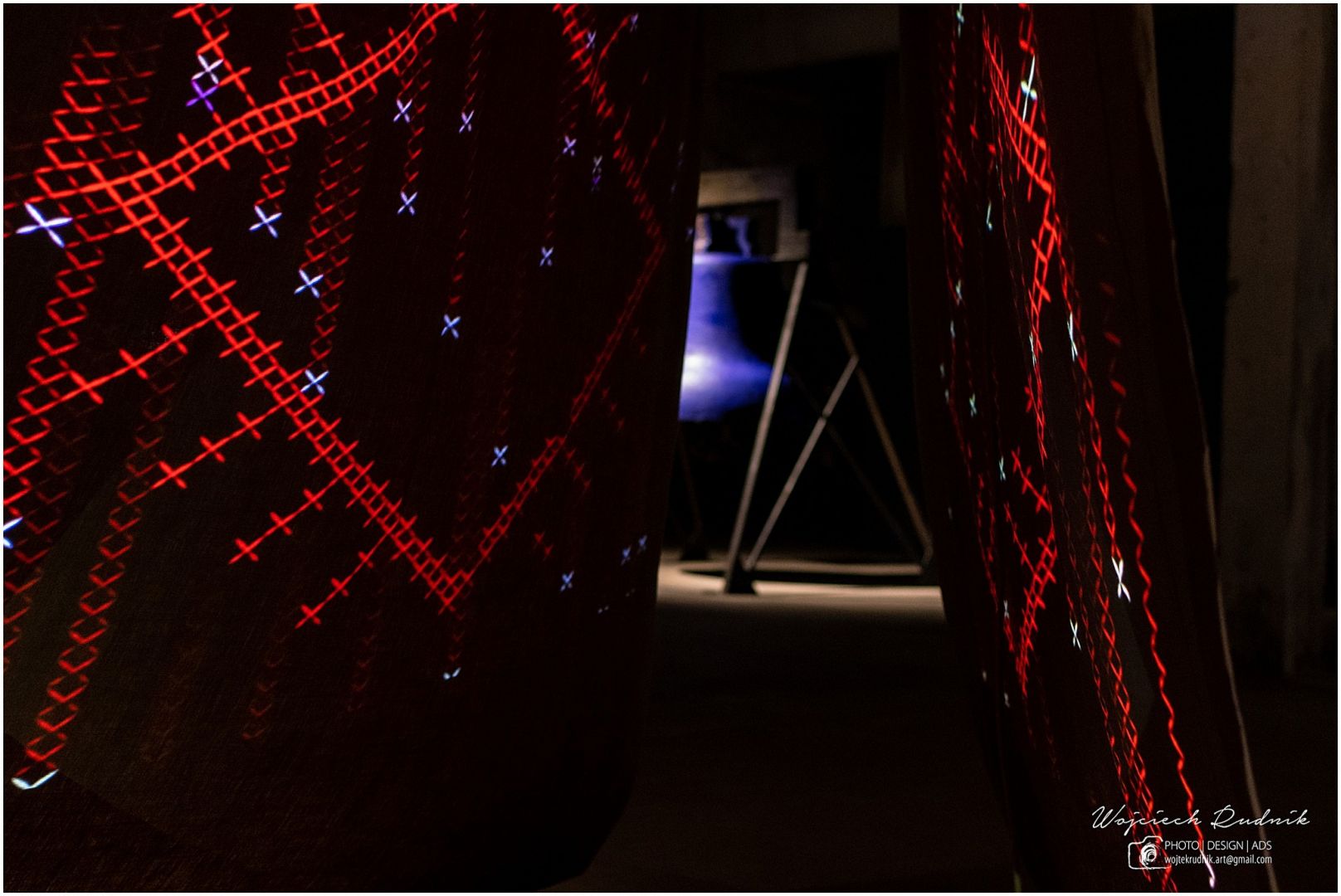
Since 2021, she has been creating interactive immersive multimedia installations in the “My Cultural DNA” series, in which she explores the embodiment of her defining cultural codes in various forms of matter: physical and digital – presented so far at exhibitions in Gdańsk (“Rose” based on Belarusian embroidery and white singing with the use of videomapping – 2022; “Norns” based on Nordic runes and white singing with the use of videomapping – 2023), Tokyo ("Cultural Transmission” in the form of an animation based on Belarusian embroidery and white singing – 2022), Florence (“Norns VR” realized in the space of the virtual gallery KONKRET AR. T https://www.spatial.io/s/Stan-eteryczny-66662ab6c0c6a2454b006795?share=5225828533304416620 ; “Matrix of Embroidery” as an installation in a group exhibition at the Oratorio Santa Croce, Embroidery: Rose – Sun, Earth, Love Song as spatially mapped animations in the Cattedrale dell'immagine – 2024) and Insko (“Departure of the crane girl. Traditional transformations” in the form of an immersive and interactive performance using video mapping – 2024).
https://ilf.org.pl/51/odlot-dziewczyny-zurawia-tradycyjne-transformacje/
Curator and consultant for art exhibitions – both in physical and virtual spaces, which she turned to during the research project TICASS (2017-2021) (GA no. 734602), to then develop these interests in subsequent projects (currently as part of CAPHE – 2020-2026 – GA No. 101086391) as well as independently. Among other things, in cooperation with Zbigniew Romańczuk and Radosław Nagay, she co-curated the international, collective virtual exhibition “Hyperlink. A New Image of Humans and the World” (National Museum in Szczecin, 2021):
Curator of the XR Art exhibitions at the XR Festival. Fluid Spaces, which took place in Florence from June 14-16, including the exhibition “Numerical Art. Fractality of the Universe”, which took place in the Oratorio Santa Croce al Tiempo. Creative Lead of the Virtual Design and Artificial Intelligence in the Collective Process of Creating the Costume of Priscilla Gitonga and the Physical Costume carried out for the hybrid opera ‘Orfeo and Luanda. Soul in Spiritual and Hybrid Traditions’.
https://www.caphe.space/xr-festival-florence-2024/
Consultant for the multimedia and hybrid performance “EKSTASI. Transcultural Storytelling through Space, Time and Media” at Fort Jesus, Mombasa, Kenya on October 19, 2024 and at Kenyatta University in Nairobi on October 26, 2024.
She also curates contemporary art exhibitions from non-European countries, especially East African ones, as part of the activities of the EAAE Gallery (East African Art Endeavor) in Poland, Germany, and Italy.
The latest exhibition, entitled “Contemporary Kenya. Liminal Spaces – Between Tradition and Modernity”, is on display at the Kunststation Kleinsassen until March 2, 2025.
https://kunststation-kleinsassen.de/contemporary-kenya-grenzraeume-zwischen-moderne-und-tradition/
From 2022, she is involved in co-creating the Numerical Art project.
President of the Polish Society for Aesthetics.
– artist, painter and art theorist, media technology researcher, curator, and art activist.
In his work, he focuses on the borderline between the visible and the material, analog and digital, intentional and algorithmic/artificial, exploring reality through the media of art.
In recent years, he has focused on three categories related to the digitality experienced by people in everyday life, which significantly shape them: the substantiality of information, the significance of screens and imaging techniques, and the acquisition and visual processing of data.
He has been exploring digital structures and the aesthetics of their formats since the art and science project “Grid System” (2010-2015). By traveling into the “virtual” in search of the “real” and the tangible, pondering the pixels and digital matrices that program and display them, he explores the artificial world of digital images, while returning to questions about images in general, about their ability to capture reality, imitate it and enter into a dialogue with it.
Academia.edu - go to website
In the years 2015–2017, as part of the “Digital Code” project, he addressed one of the most important problems in the field of cyberculture and art related to the ontology of the digital image, concerning the understanding of the state of information aggregation, its carriers and processes that determine its forms. The mathematical nature of digital code – the arrangement of digits in its more or less formally complex notation – is the object of his research on the scale of their cultural presence and experience, under the layers of visual and textual interfaces.
cejsh.icm.edu.pl – go to website
He took this approach further in the “Digital Born” project from 2018 to 2020, aesthetizing and critically reflecting on images obtained through medical information visualization techniques. Without depriving these images of their cognitive value, he enters into a dialogue with their media and communicative aspects. He plays with the media representations of patients' body parts by manipulating color, contrast, framing, resolution, and spectrum, drawing the audience's attention to the media noise that mediates access to digital resources, and reflecting on the very phenomenon of mediation and technological communication.
https://www.youtube.com/channel/UCDO7Cc45o3c-2Z8BkvTnrDw
In the years 2020–2023, he carried out the “Hyperlink” project in collaboration with the philosopher and artist Aleksandra Łukaszewicz. The project resulted in two exhibitions: an individual one at the National Museum in Szczecin and a collective one, realized in a virtual form. The exhibitions focused on showing the condition of the world and man in the era of images generated by digital technologies and biotechnology. Their aim was to draw attention to an image based not so much on pure visuality as on interactivity, immersiveness, and responsiveness, as well as on a human being who can manifest and act both in the physical world and in the digital world, where he or she takes on various forms of digital embodiment.
https://playcanv.as/p/30ckJX6f/
Since 2022, he has been involved in co-creating the Numerical Art project, recently presenting his work at the exhibition “Numerical Art. Fractality of the Universe” at the Oratorio Santa Croce al Tiempo in Florence (June 2024) in physical form ‘Coding Nature II’ and in virtual form realized together with Radek Nagay in the virtual gallery space KONKRET AR.T:
https://www.spatial.io/s/muszla-6666d9c066750b33d4332537?share=674859968125793220
The projects realized so far by Zbigniew Romańczuk address the cultural and technological conditions of the digital iconosphere, possible scenarios for the development of visual culture, and the convergence of creative experiences at the intersection of culture, art, and technology. The artist realizes his works using a wide range of traditional and contemporary media, including painting, extended digital media AR and VR, and 3D printing. Through interdisciplinary artistic practice, he explores ways of generating the visual and iconic meanings of images, combining analog and digital creative processes. Hybrid images, objects, items, and elements that are reactive and sensorically automated are a new environment for messages and stories, where the conservative avoidance of digital excess, as it may seem at first glance, avoiding digital excess becomes a safe way to build holistic statements seeking uniformity with a fragmented world of matter, information, representations, images.
Zbigniew Romańczuk's creative output includes numerous scientific publications and texts in collective studies, including
Zbigniew Romańczuk, Osobliwość obrazu – technologie cyfrowe i ich implikacje w sposobie generowania nowych zjawisk wizualnych, in: Visibility, Visuality of the Digital Image, ed. Aleksandra Łukaszewicz-Alcaraz, Scientific Publishing House of the Faculty of Painting and New Media of the Academy of Art in Szczecin, Szczecin 2016, pp. 148–162, ISBN 978-83-946234-2-5.
https://www.academia.edu/40928195/Widzialno%C5%9B%C4%87_wizualno%C5%9B%C4%87_obrazu_cyfrowego_Pomi%C4%99dzy_fenomenologi%C4%85_a_kultur%C4%85_wizualn%C4%85_red_A_%C5%81ukaszewicz_Alcaraz_2016
Przemysław Rotengruber, Visibility of the Invisible – New Imaging Technologies in the Artistic Practice of Zbigniew Romańczuk, ed. Zbigniew Romańczuk, Academy of Art in Szczecin, Szczecin 2018, ISBN 978-83-951340-4-3.
Zbigniew Romańczuk is a member of the Polish Society for Aesthetics and the International Discursive Geometry Art Association (DGAA), which researches artistic, cultural, and social phenomena.