Academy of Fine Arts in Gdańsk
Targ Węglowy 6, 80-836 Gdańsk
NIP: 583 000 93 46, REGON: 000275820
+48 58 301 28 01, kontakt@asp.gda.pl
Academy
Students

Sponsors
Partners



Academy of Fine Arts in Gdańsk
Targ Węglowy 6, 80-836 Gdańsk
NIP: 583 000 93 46, REGON: 000275820
+48 58 301 28 01, kontakt@asp.gda.pl
Academy
Students
Sponsors
Partners
Between Freedom and Control – 2022
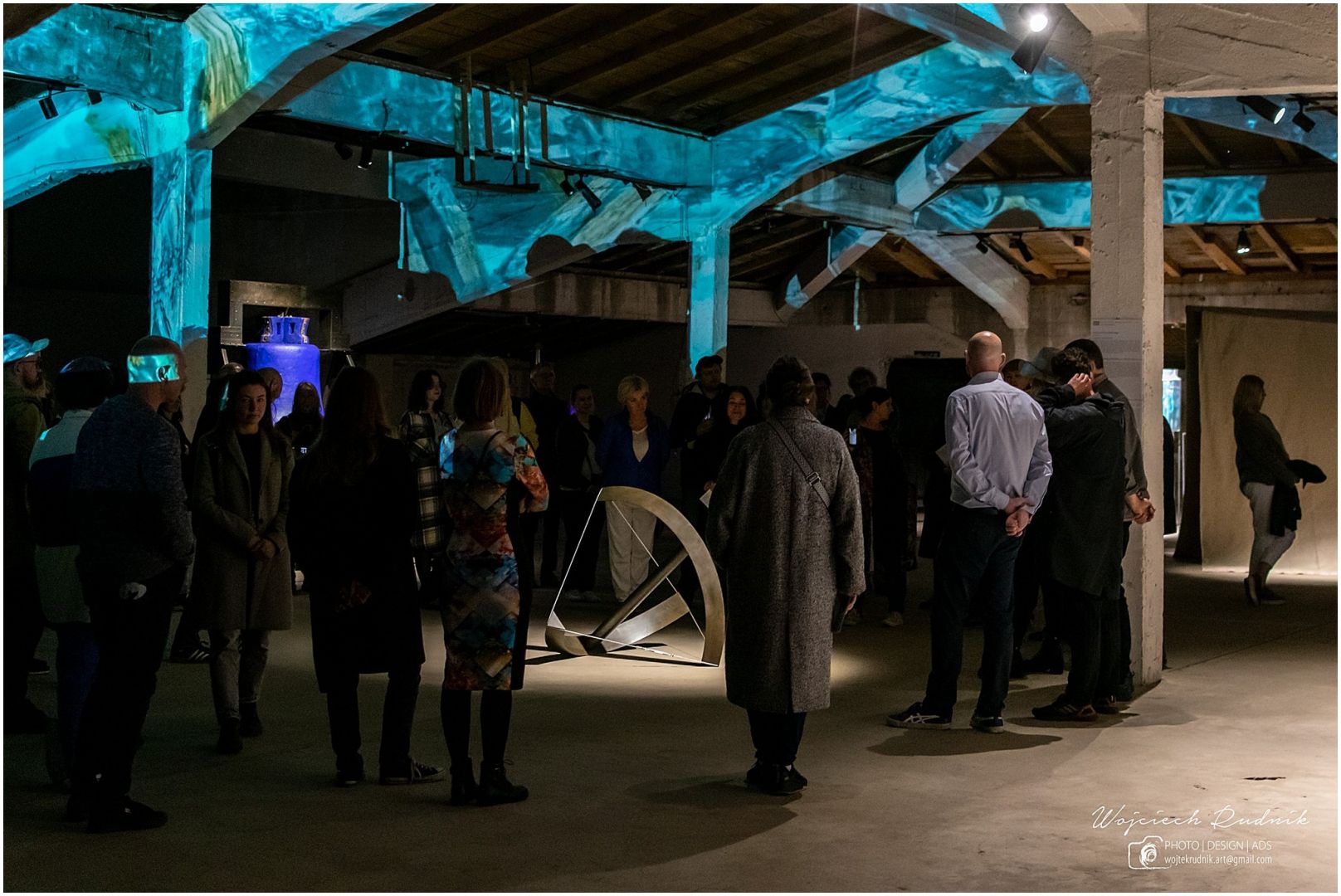
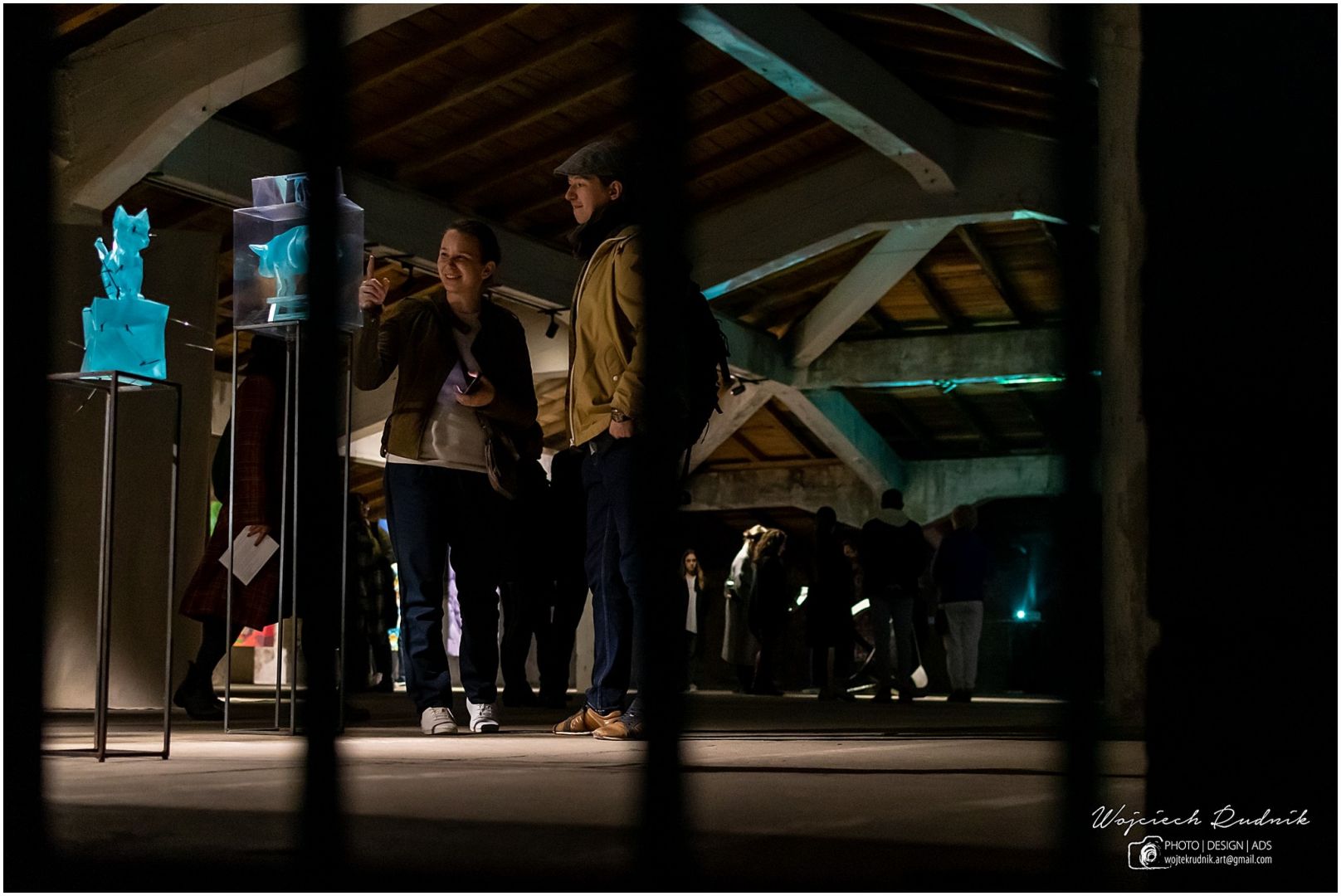
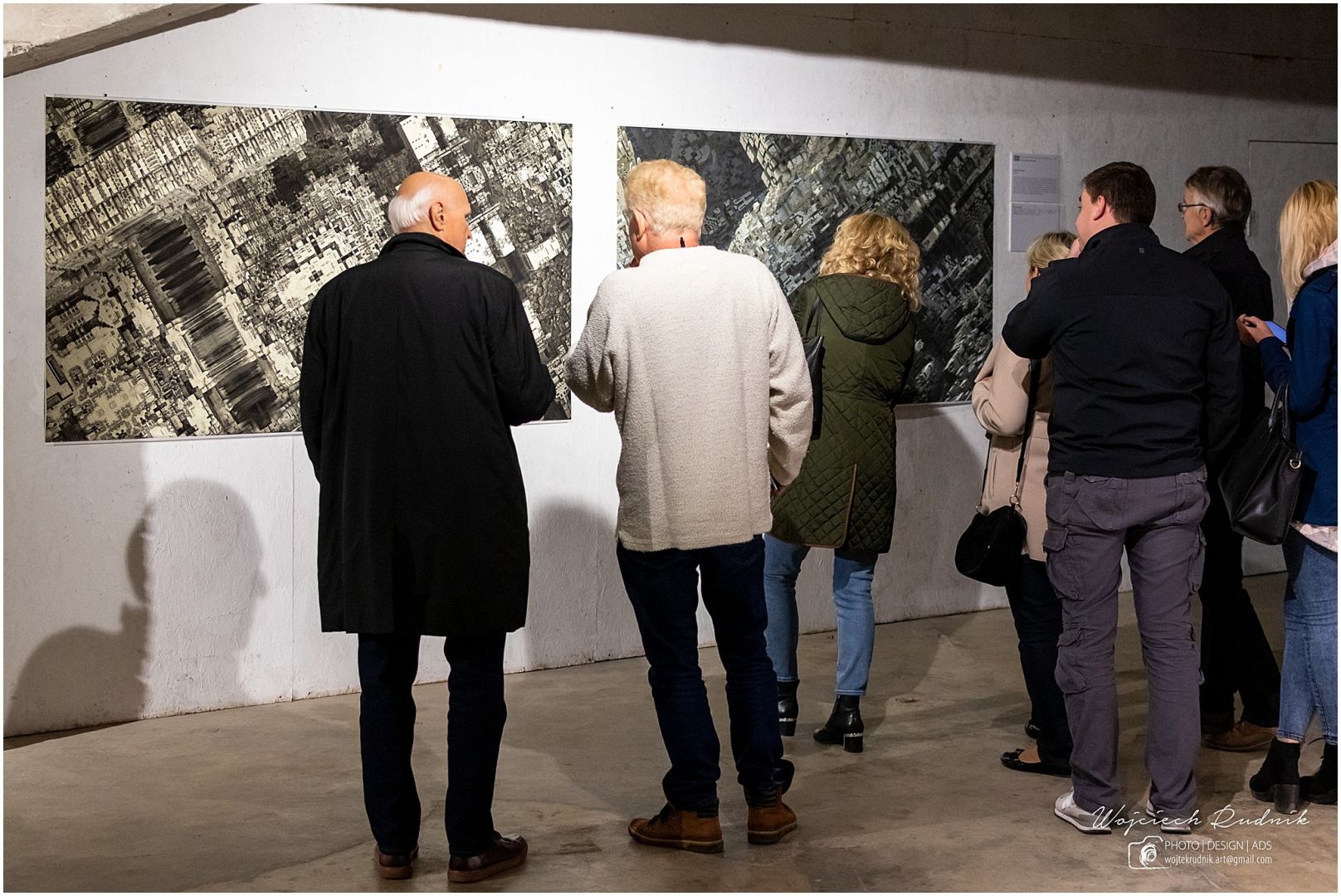
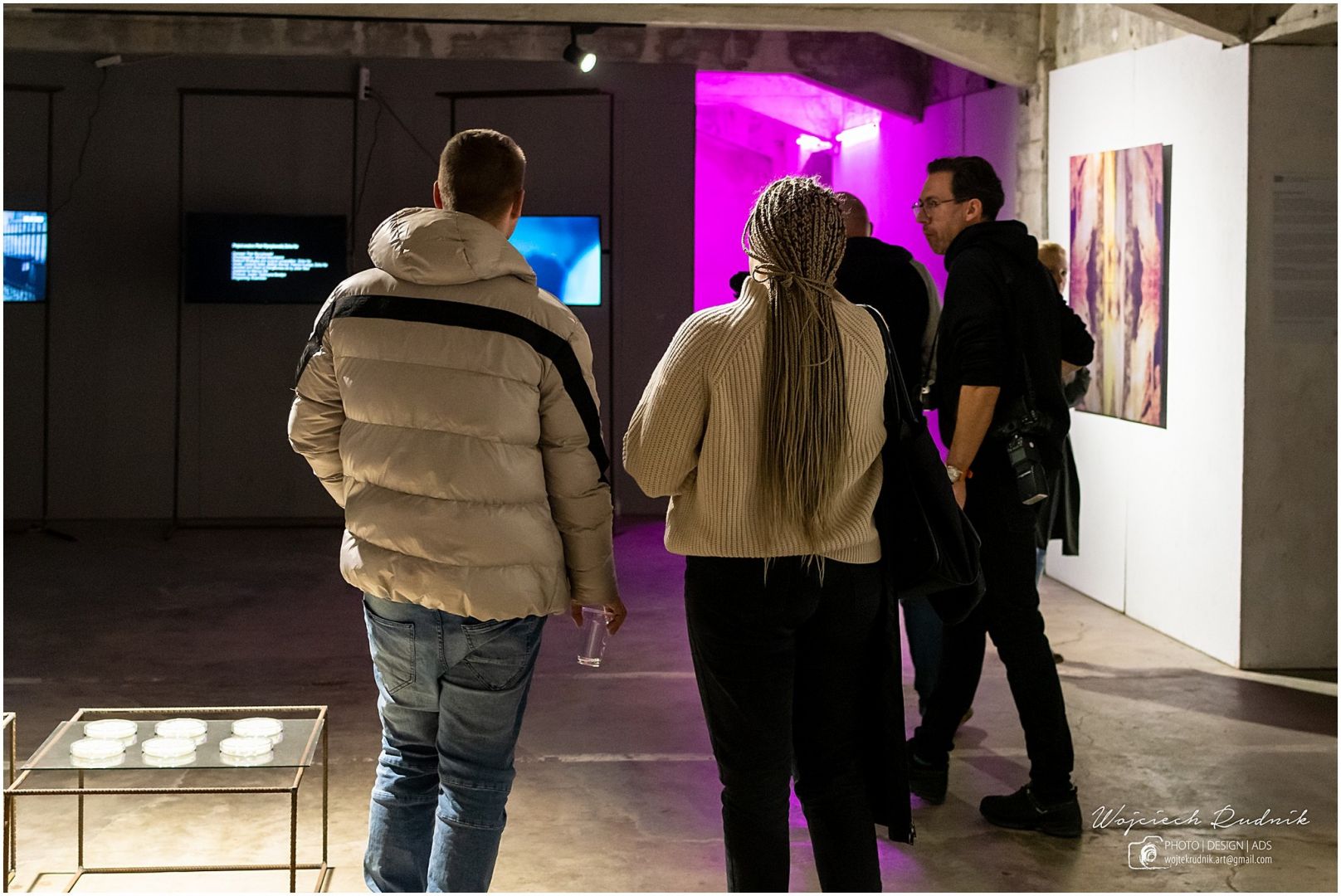
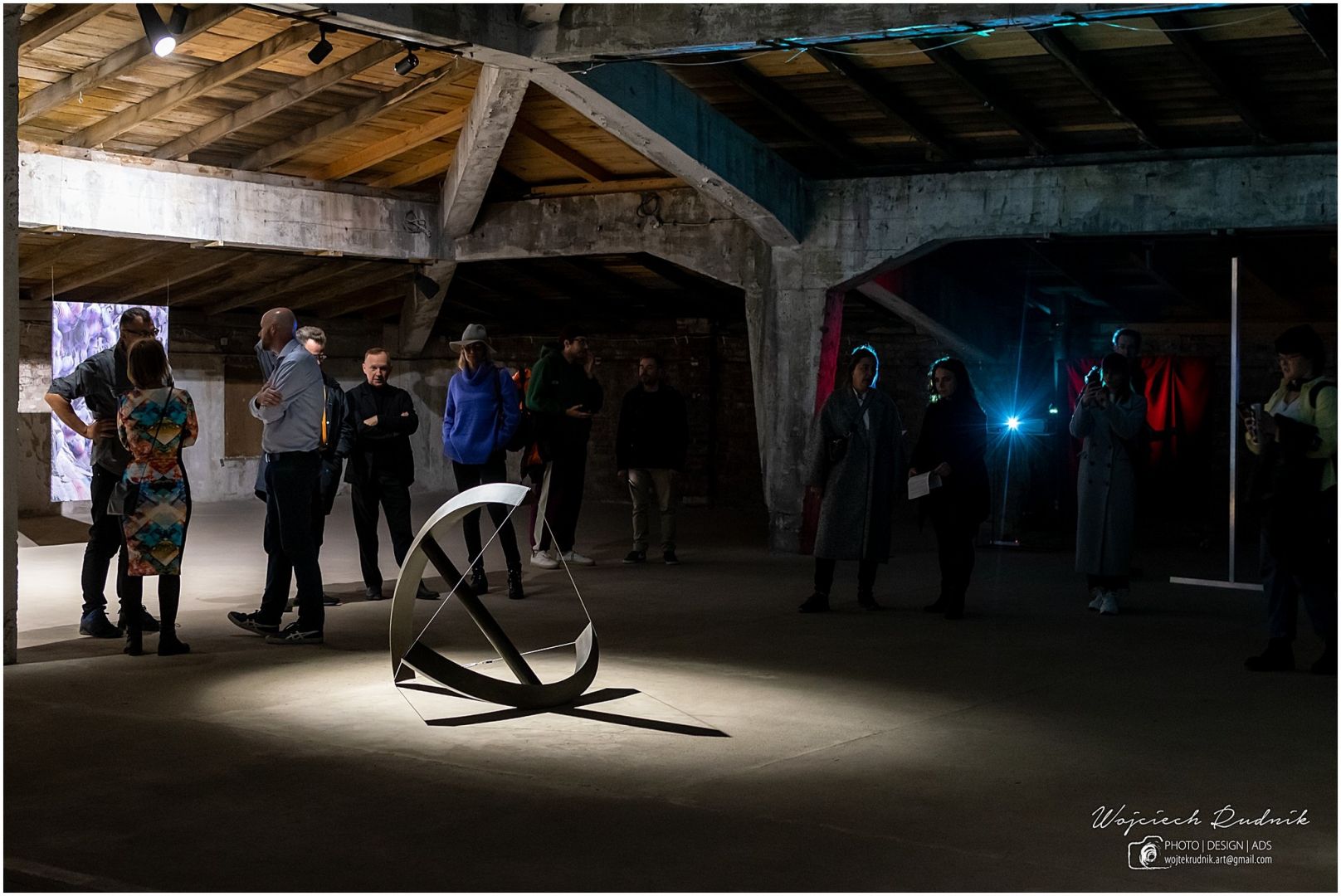
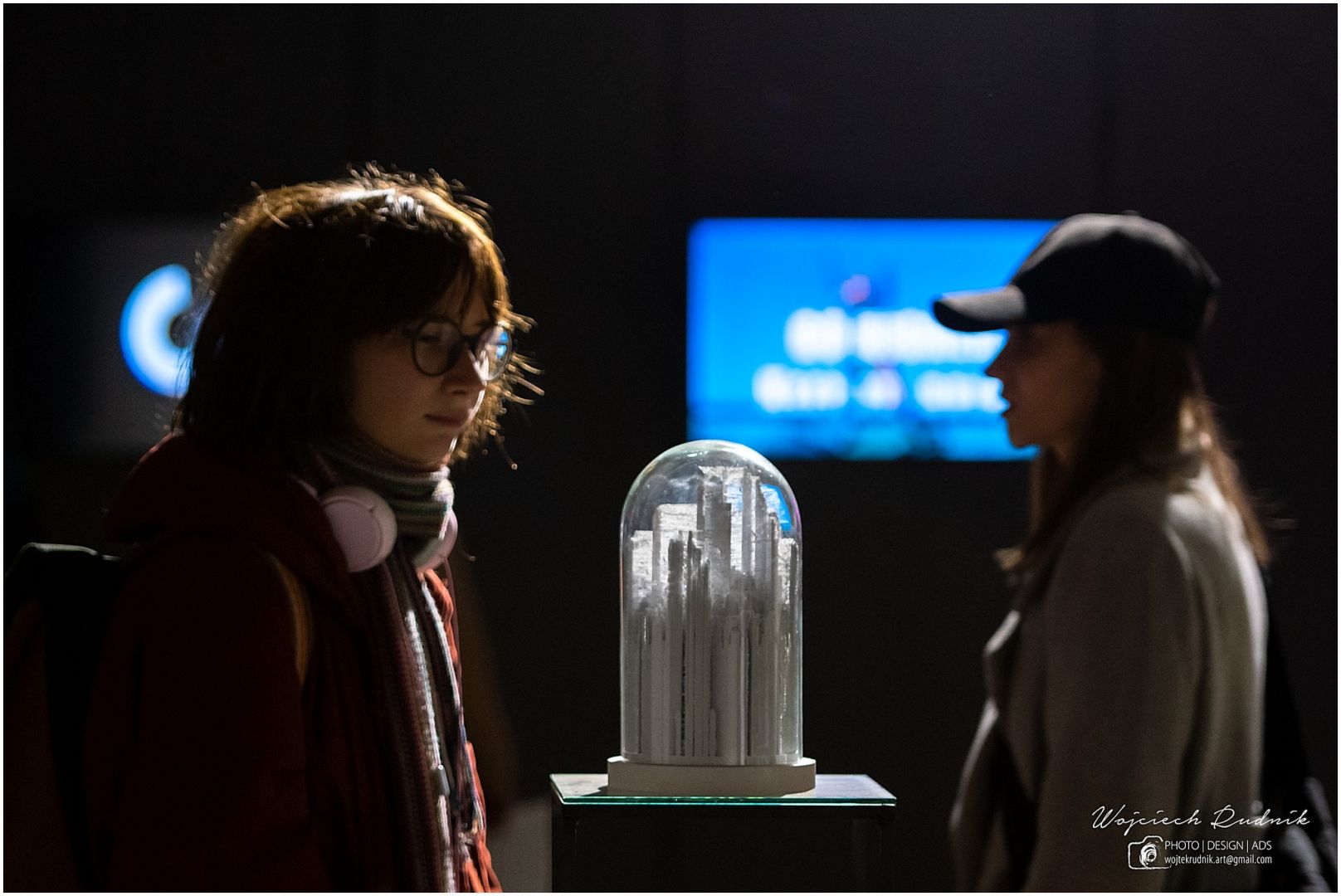
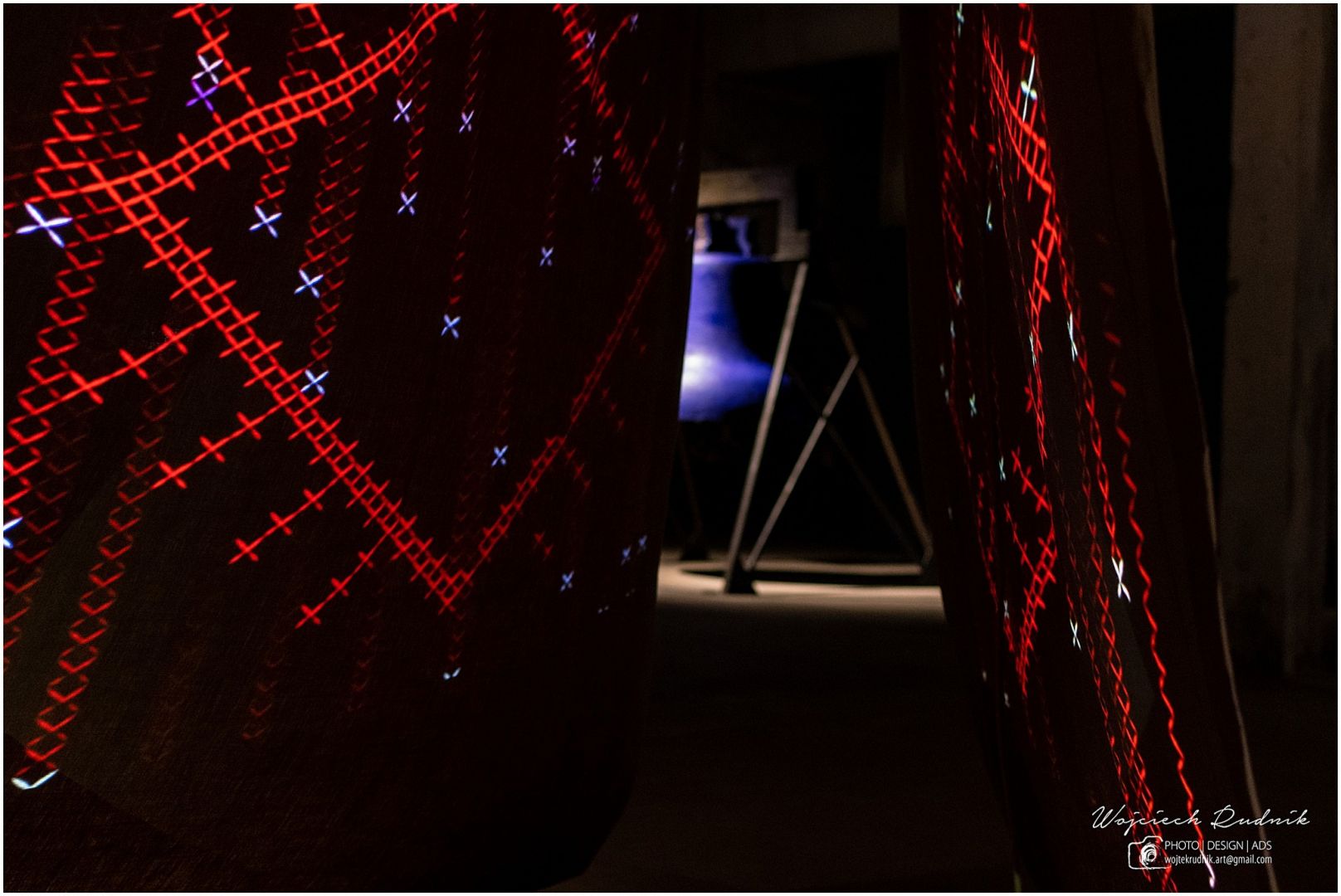
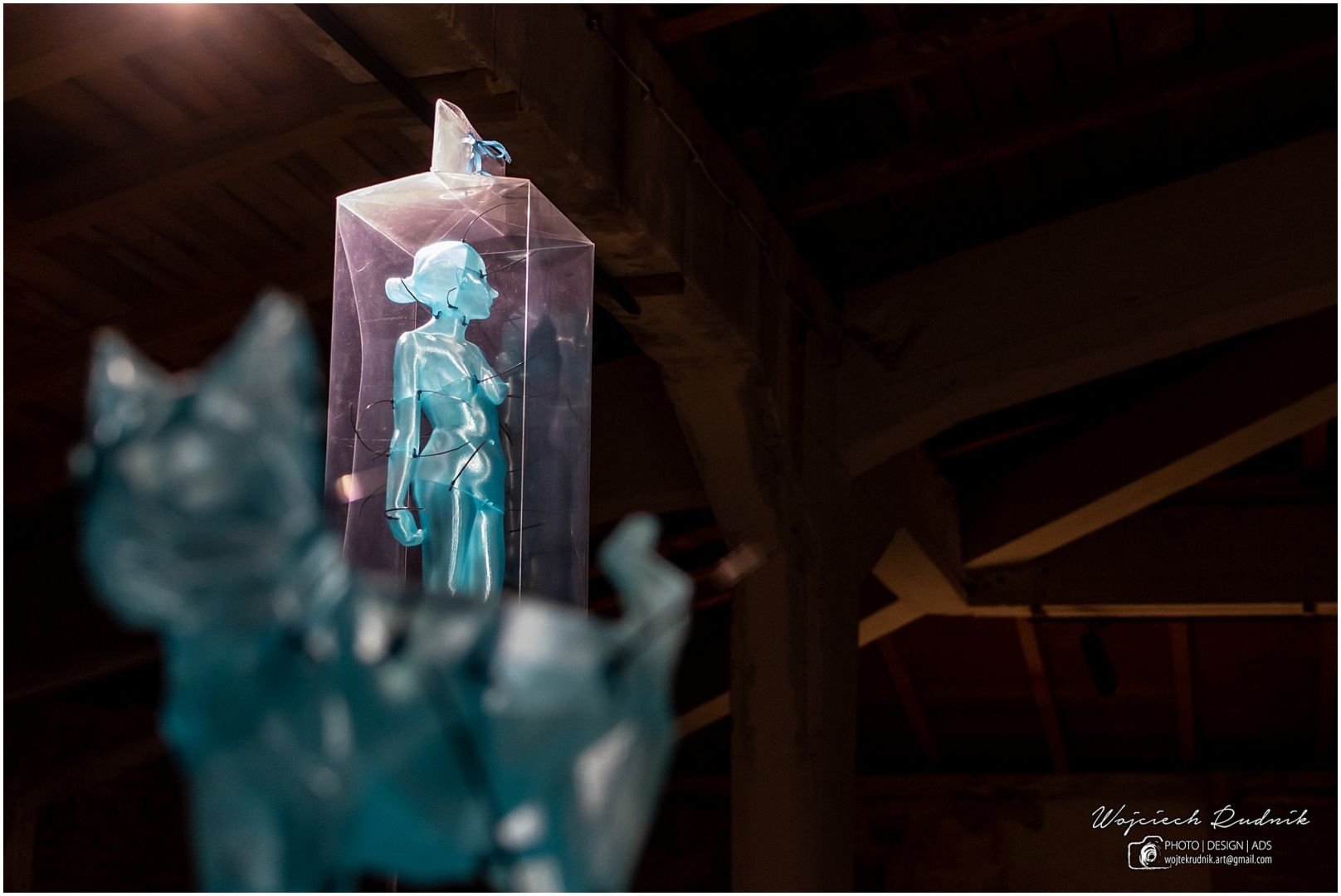
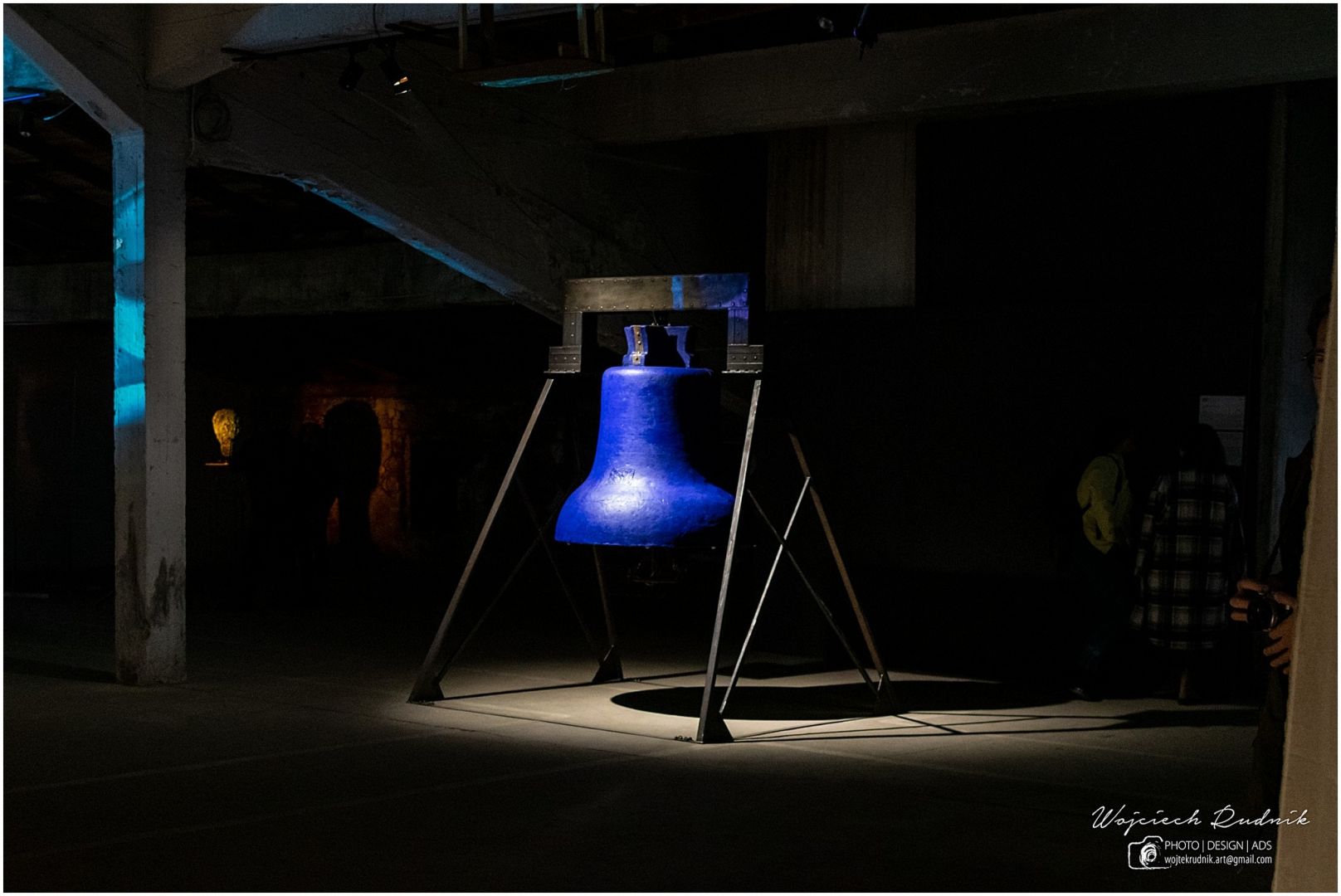
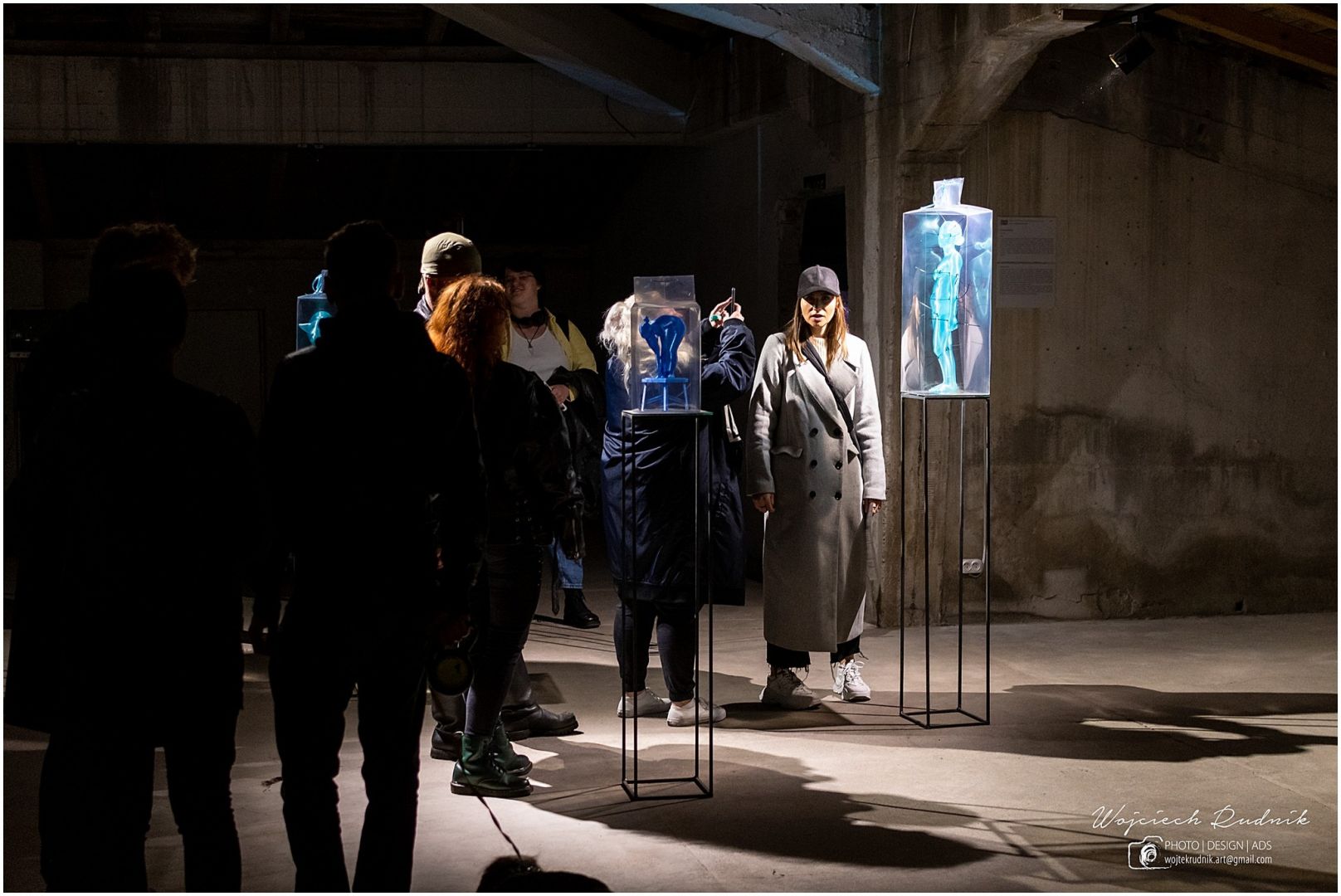
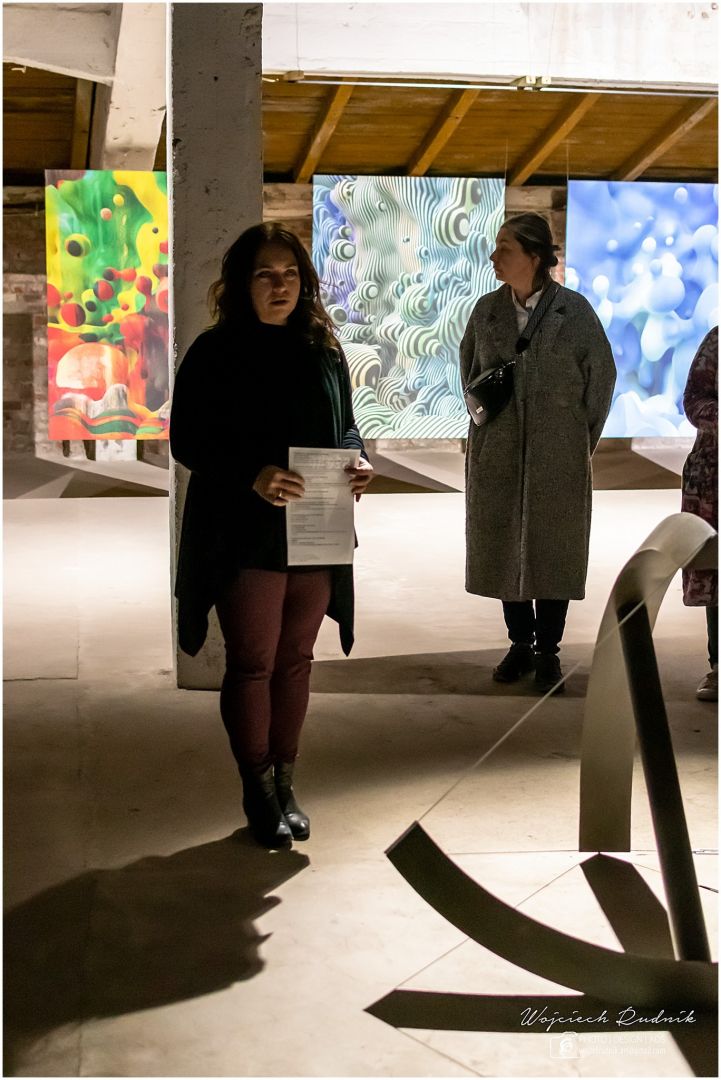
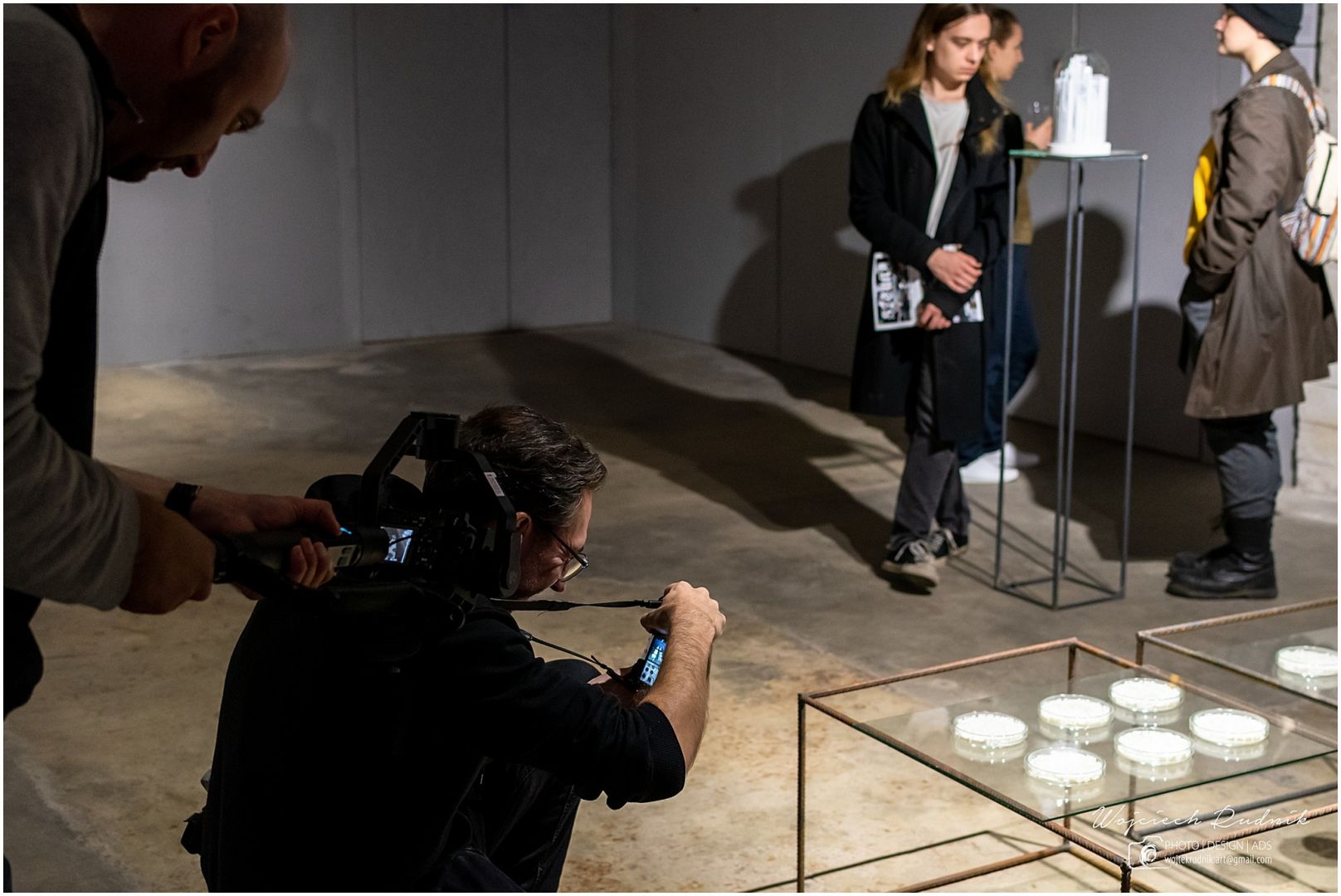
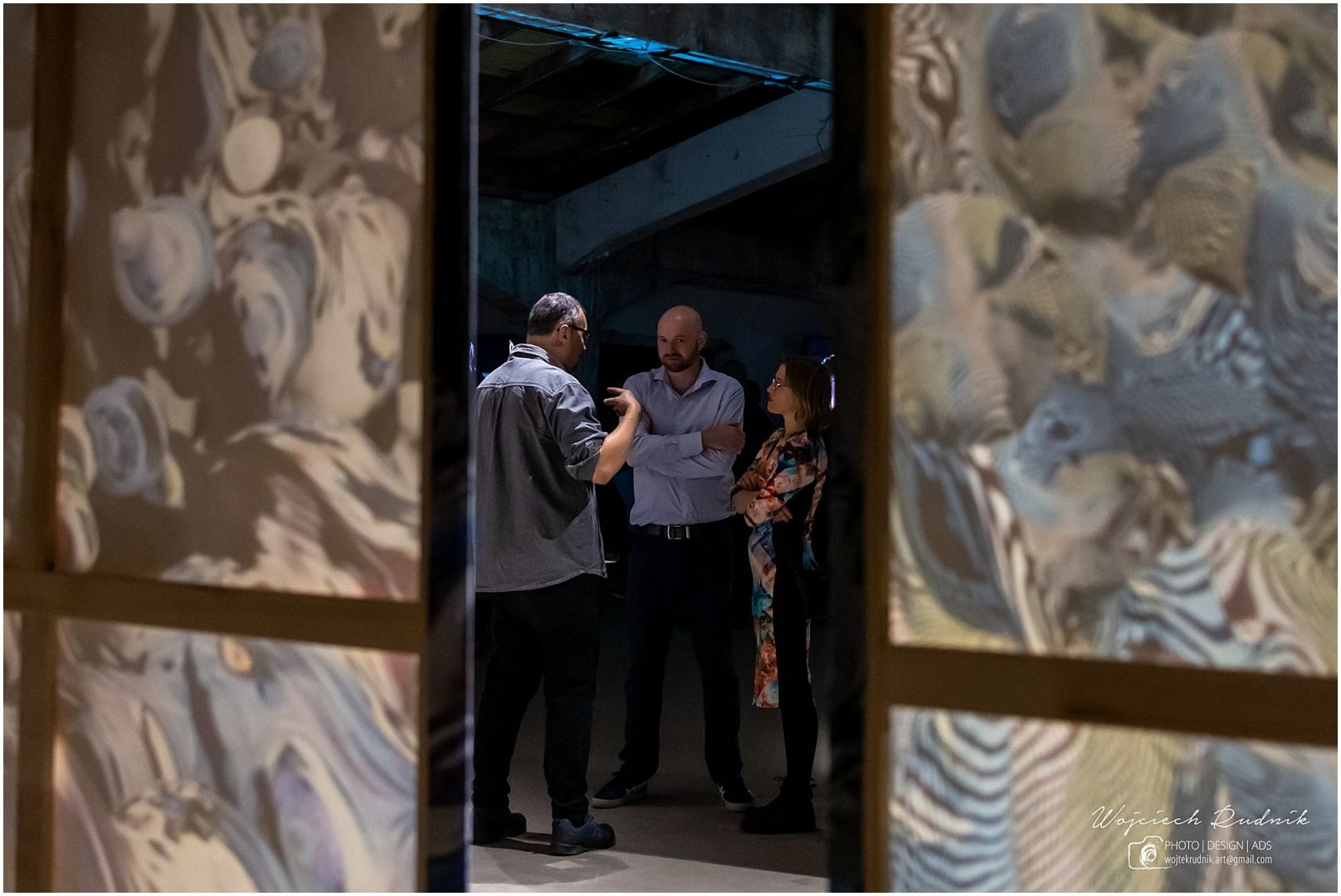
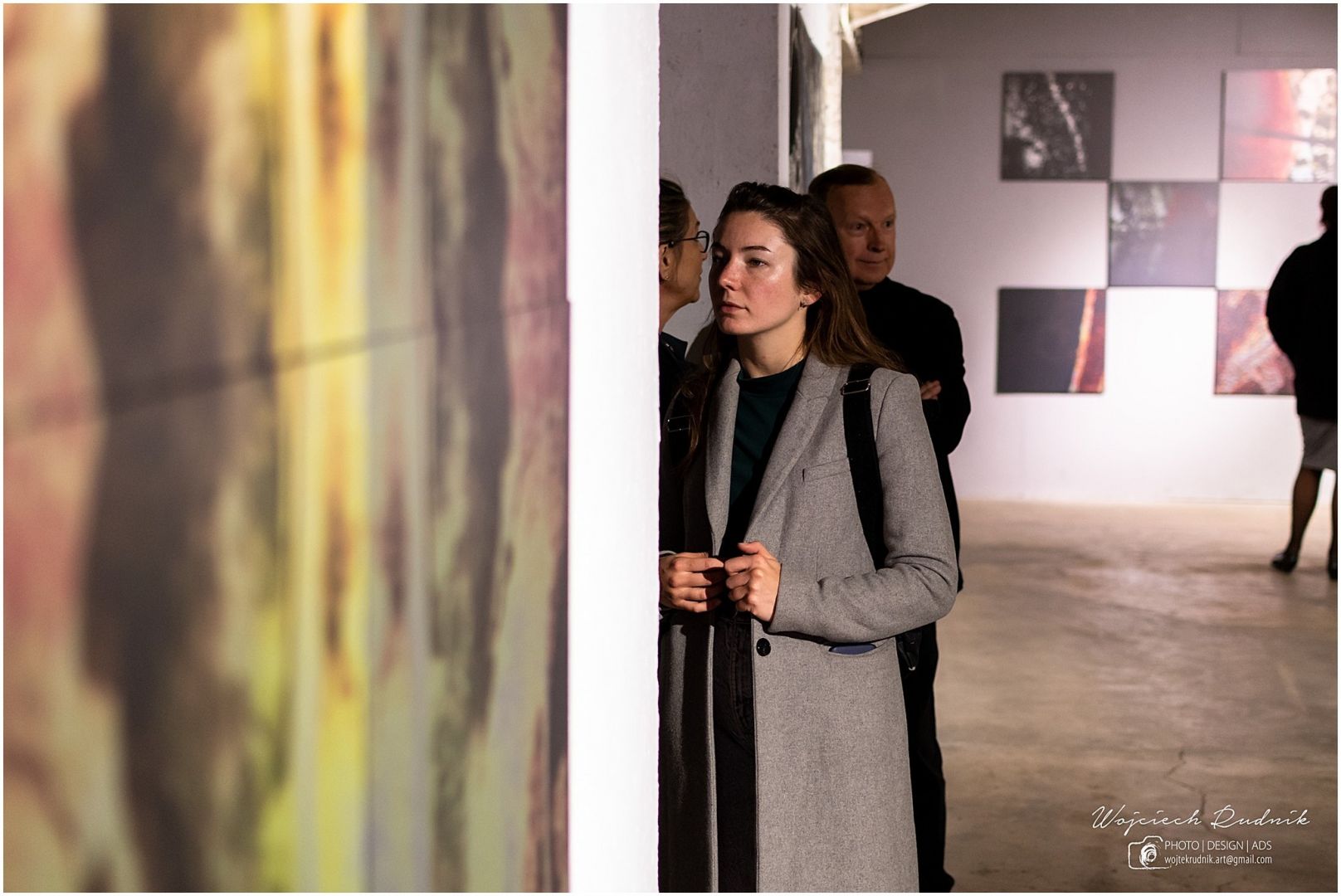
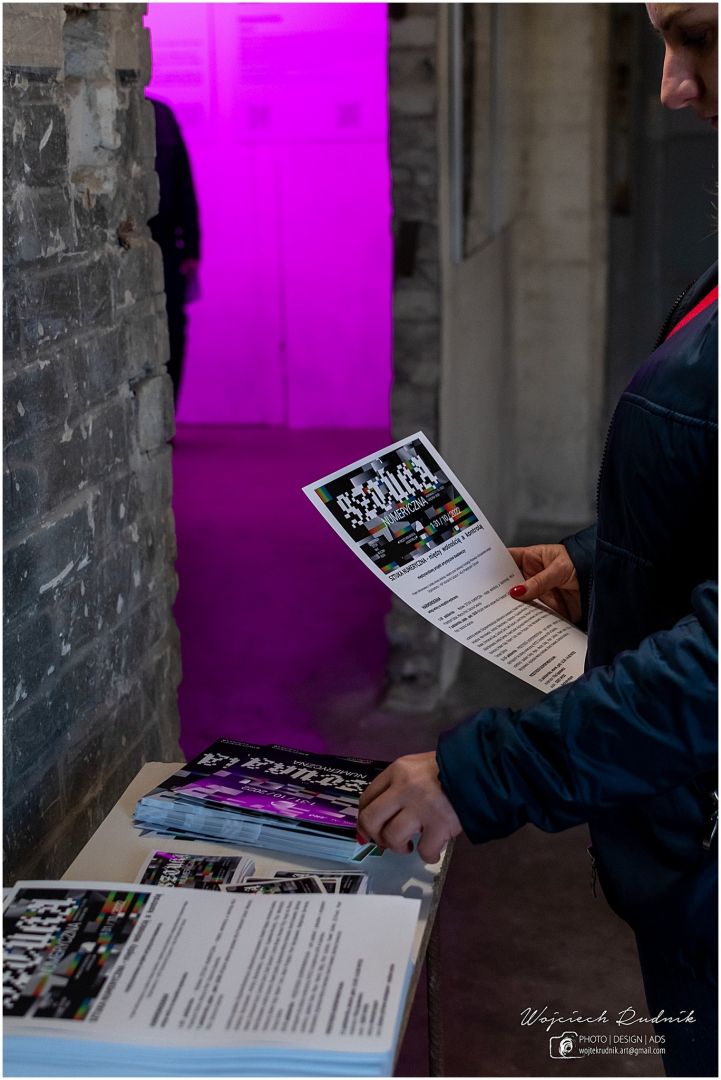
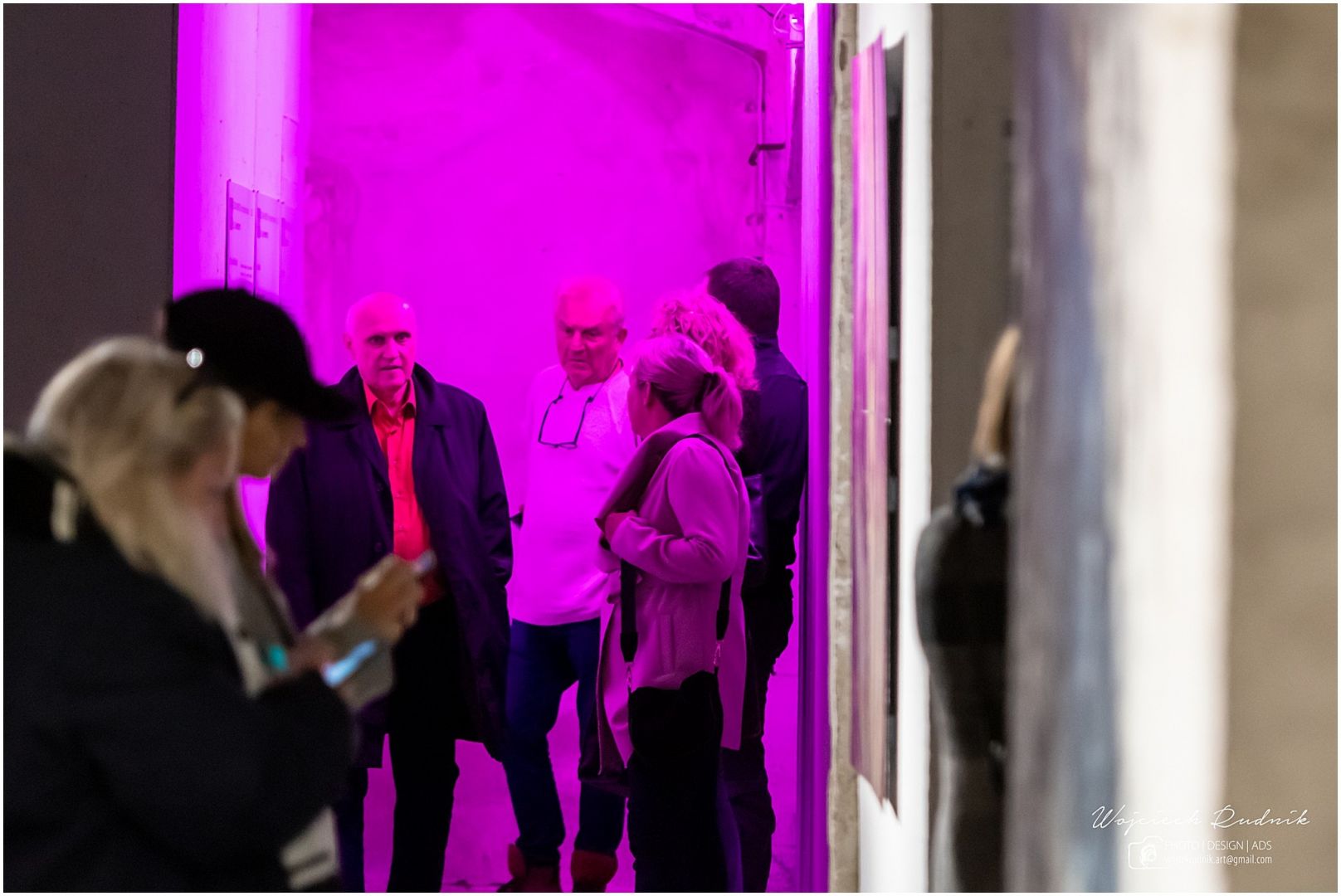
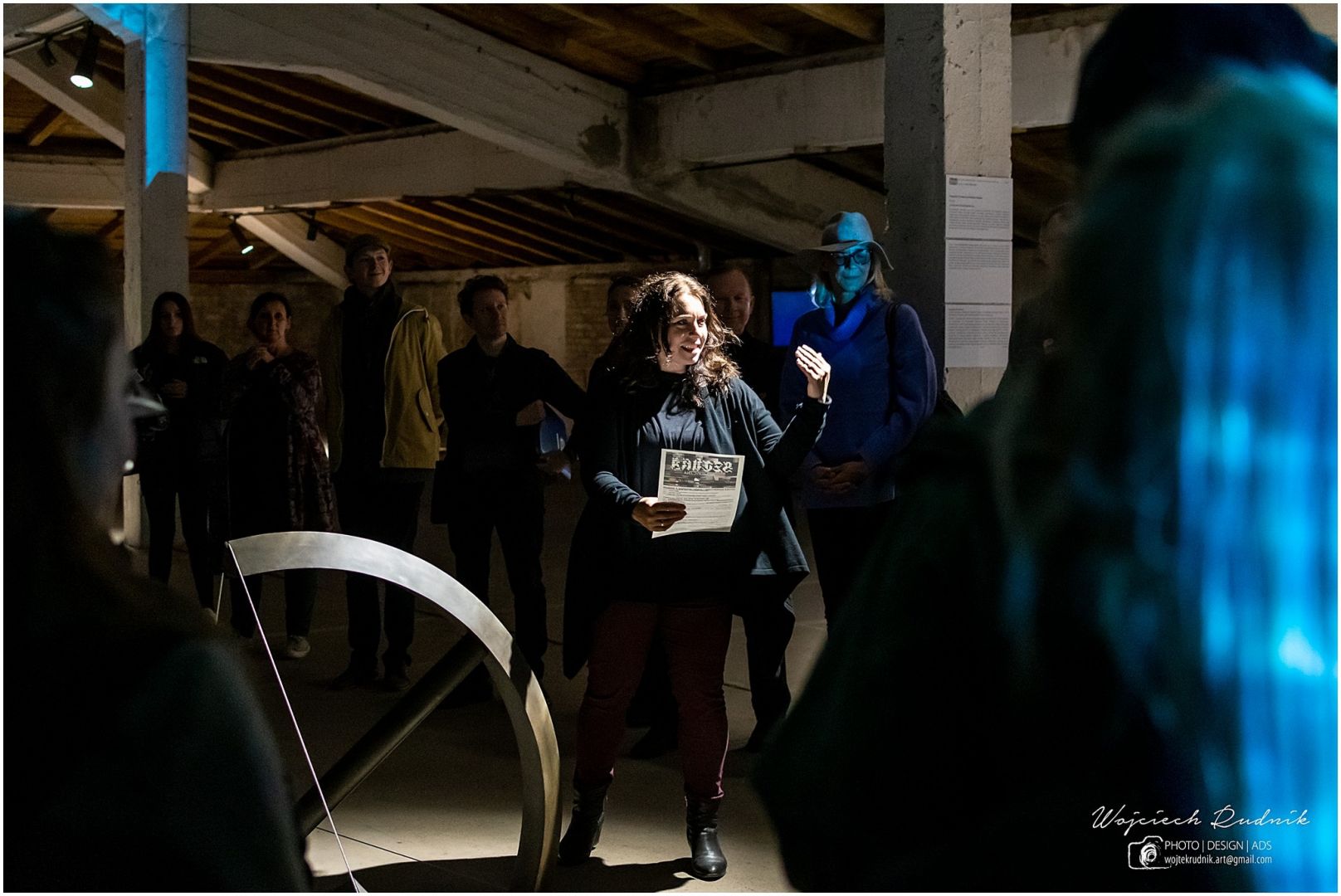
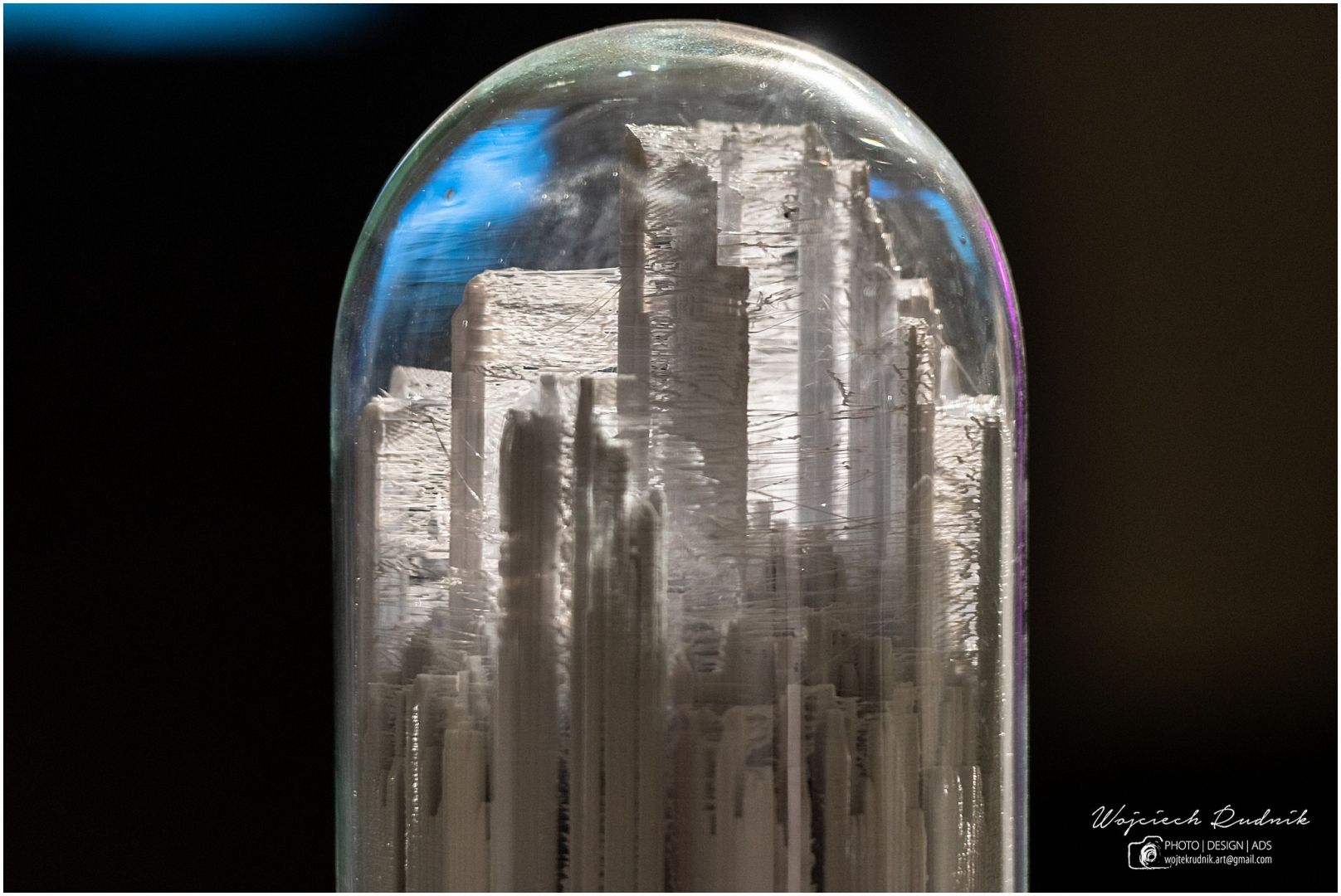
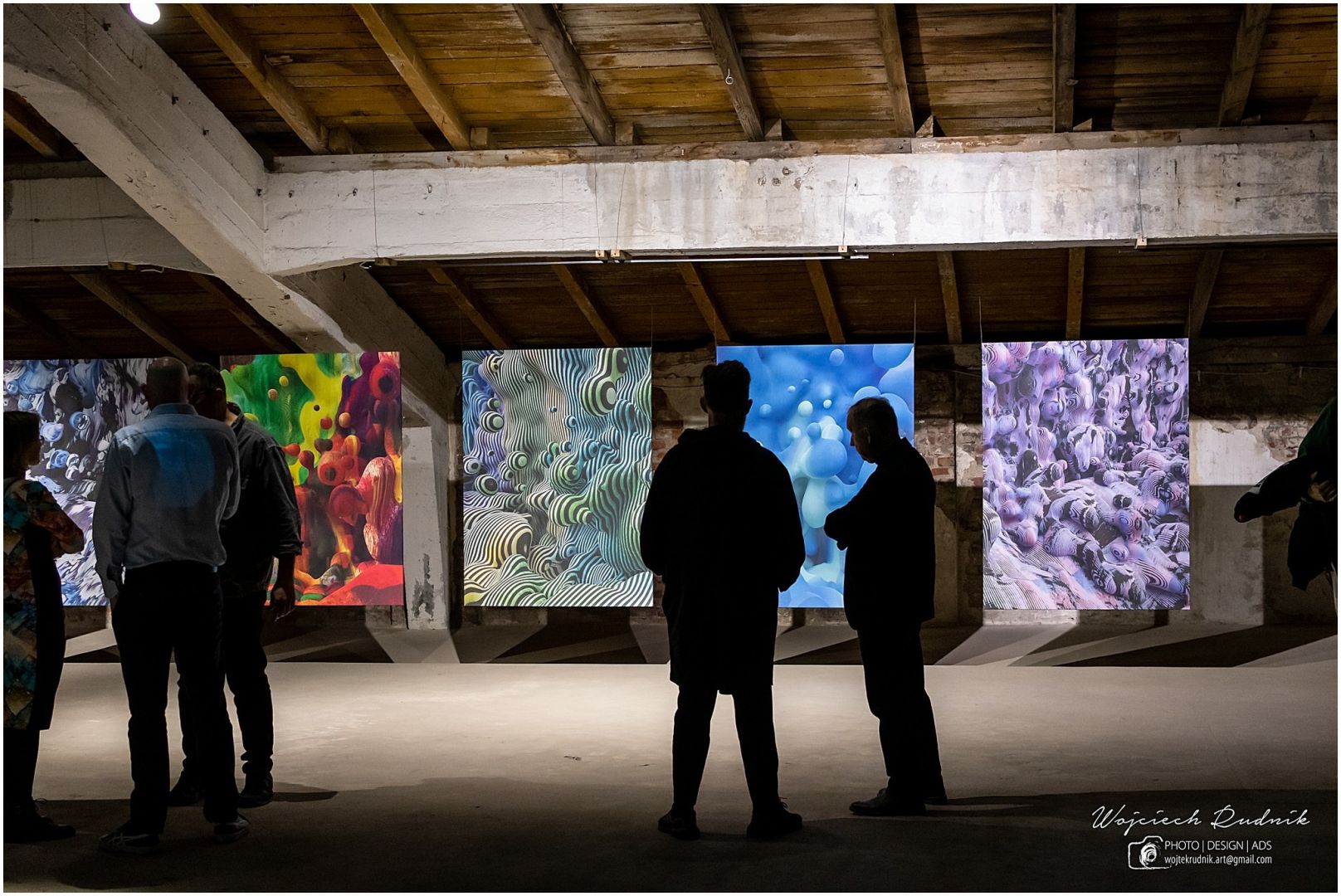
The first edition of Digital Art: Between Freedom and Control took place in October 2022. The main event of this edition was an exhibition held at WL4 Art Space, Imperial Shipyard, Mleczny Piotr in Gdańsk. The Digital Art project consisted of four main sections, each exploring different approaches to the potential of digital technologies and their application in art.
The first section, "Code as Surveillance", focused on the body and code—algorithms that transform practices of surveillance and control. This theme is best described through Gilles Deleuze’s concept of the control society, built upon Michel Foucault’s vision of the disciplinary society. Featured works in this section were by: Aleksandra Łukaszewicz (PL), Radek Nagay (PL), Amelie Samson (FR), and Rafał Borkowski (PL).
The next section, "Materiality of Code", featured artists Andrzej Banachowicz (PL), Paweł Dudko (PL), Robert Kaja (PL), Tomasz Skórka (PL), and Andreas Guskos (PL), who explored how digital media, through their software, embed themselves under our skin—becoming rooted in our organs, tissues, and neural structures. By revealing and highlighting these practices through artistic forms, the artists invited reflection on the cultural reach of digital media, the politics of their use, and the possibility of alternative realities.
The section titled "Neo-Hybridity" addressed the interdependence of digital and analog media, with an emphasis on the overlap of technical processes with the physical world, leading to the emergence of a new, hybrid form of materiality. Artists such as Zbigniew Romańczuk (PL), Radek Nagay (PL), Arkadiusz Marcinkowski (PL), Lionel Broye (FR), Emmanuel Guez (FR), Caroline Zand (FR), Gaël Goutard (FR), Nicolas Tilly (FR), Hugo du Roure (FR), and Małgorzata Sarna Sarnecka (PL) positioned each work as the result of interaction between the body, mind, and emotions of both the artist and the viewer, mediated by the operation of algorithms.
In the final section, "Digital Illusions and Utopias", Piotr Wyrzykowski (PL), Robert Turło (PL), Katarzyna Kujawska-Murphy (PL), Filip Wierzbicki-Nowak (PL), Adam Przybysz (PL), Kamil Kawalec (PL), and Bartosz Konieczny (PL) reflected on the contemporary digital experience. Their works were infused with global digital culture and focused on creating new visions of the future.
During the exhibition, a series of lectures, meetings, discussions, and workshops with artists and art theorists took place at the PATIO Experimental Space and the Auditorium of the Academy of Fine Arts in Gdańsk. Participants included Maciej Ożóg, Piotr Celiński, Sidey Myoo, Agnieszka Wolny-Hamkało, Piotr Wyrzykowski, and Paweł Dudko.
Paweł Dudko gave a lecture on the potential of using NFT technology as a new medium for digital art. Piotr Wyrzykowski provided an in-depth analysis of augmented reality technology, photogrammetry, 3D animation in transmedia works, and social media. Maciej Ożóg addressed significant issues related to our everyday lives and how algorithms are reshaping the practices of surveillance and control over our bodies within a network defined by digital codes. He also performed an electronic music concert. Agnieszka Wolny-Hamkało emphasized that illusion is not an escape and organized a visual-poetic performance. Piotr Celiński, combining insights on new media, the internet, digital culture, social communication, and popular visual culture, shared his thoughts on how codes materialize within the tissues of our bodies.
A meeting was also held with the creators of the platform Olta Editions BETA, which showcases interactive art experienced through a web browser. The first edition of Digital Art 2022 concluded with a debate featuring Piotr Celiński, Maciej Ożóg, and Agnieszka Wolny-Hamkało, moderated by Aleksandra Łukaszewicz. Together, they sought to chart a course through the risks and opportunities posed by the technologies of the Fourth Industrial Revolution, reflected both in daily life and in art.