Academy of Fine Arts in Gdańsk
Targ Węglowy 6, 80-836 Gdańsk
NIP: 583 000 93 46, REGON: 000275820
+48 58 301 28 01, kontakt@asp.gda.pl
Academy
Students

Sponsors
Partners



Academy of Fine Arts in Gdańsk
Targ Węglowy 6, 80-836 Gdańsk
NIP: 583 000 93 46, REGON: 000275820
+48 58 301 28 01, kontakt@asp.gda.pl
Academy
Students
Sponsors
Partners
The second edition of the international project Digital Art titled "(POST)Digital Transformations" took place in 2023. The central venue for this edition was the PATIO and Auditorium of the Academy of Fine Arts in Gdańsk, accompanied by artistic interventions, open lectures, workshops, film screenings, panel discussions, and meetings with artists and art theorists held throughout various locations in Gdańsk. The event concluded with a debate titled "Transformations in Artistic Creation, Reception, and Education in the Era of the Fourth Industrial Revolution", focusing on the revolutionary changes in ways of living, identifying, and functioning in reality, which also affect the field of art in terms of creative practice, reception, and pedagogy.
The second edition was divided into two thematic sections: "Digital Ecologies and Cultural Transformations" and "Artificial Intelligence and the Post-Digital Perspective of Art."
The first section, Digital Ecologies and Cultural Transformations, focused on reformulating our existing knowledge about nature subjected to technological manipulation. This led to a reconsideration of fundamental questions regarding the role and position of humans in a transforming environment, and about nature that, inseparable from culture, is in a constant state of transformation.
The second section, Artificial Intelligence and the Post-Digital Perspective of Art, considered the influence of AI development on the transformation of life and artistic practices, often giving rise to fear—fear of the unknown and fear of losing the familiar.
A critical approach and understanding of ongoing changes, expressed in contemporary visual culture largely shaped by digital technologies, allowed participants of the 2023 Digital Art project to gain deeper insight into the transformation of artistic environments and practices influenced by AI. A newly emerging creative consciousness was also critically examined—free of both neo-Luddite fear and uncritical enthusiasm—highlighting the essential critical potential of art.
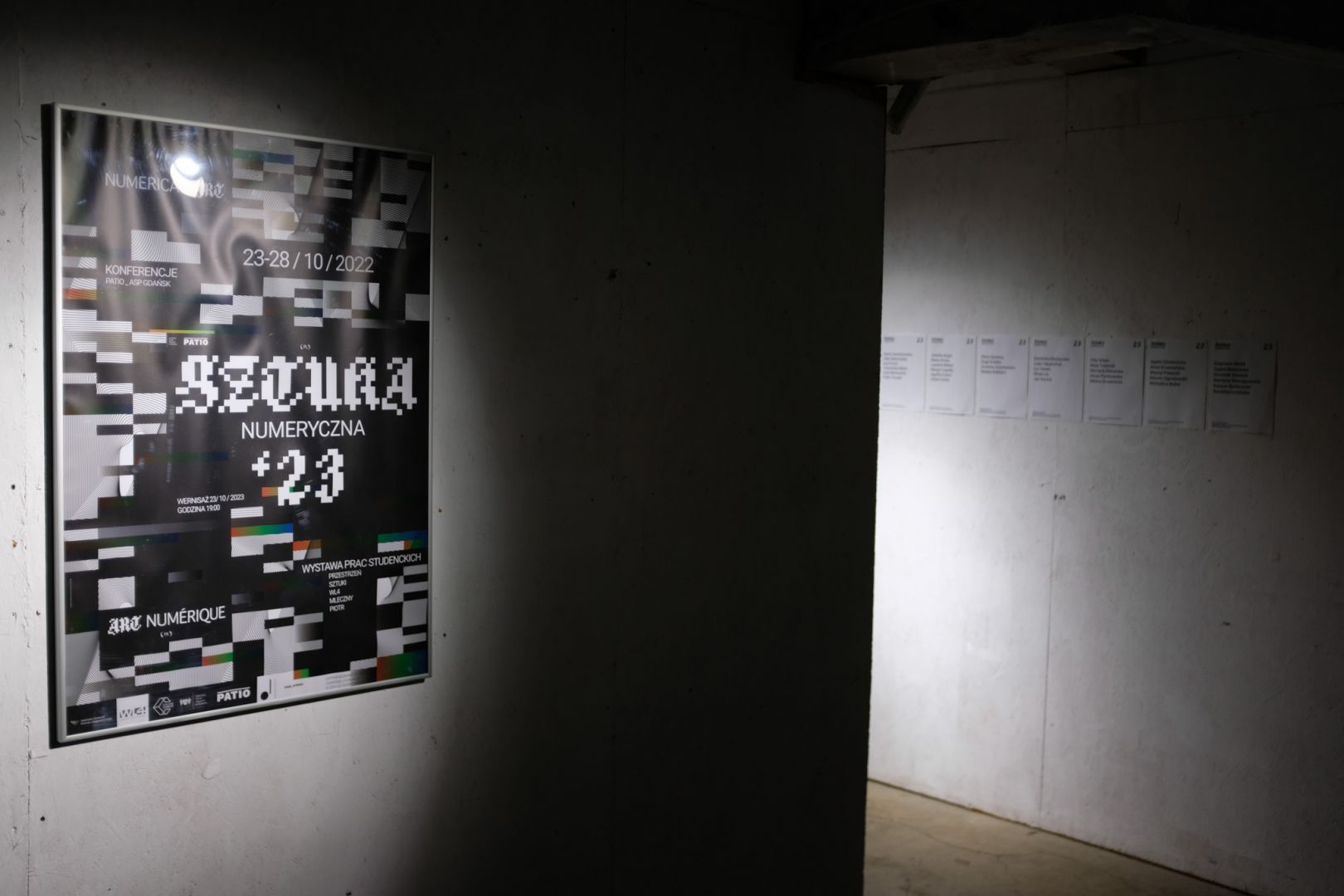
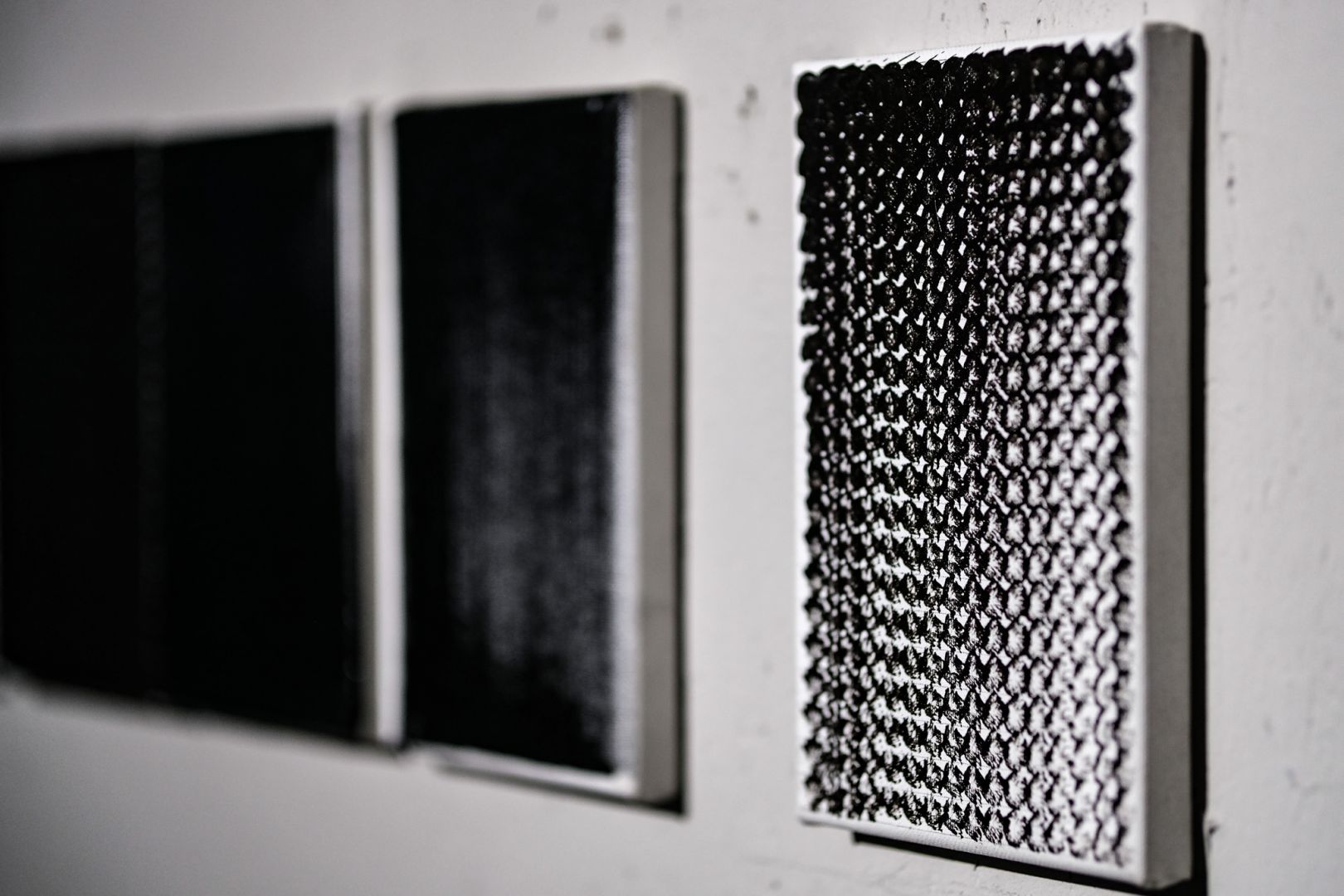
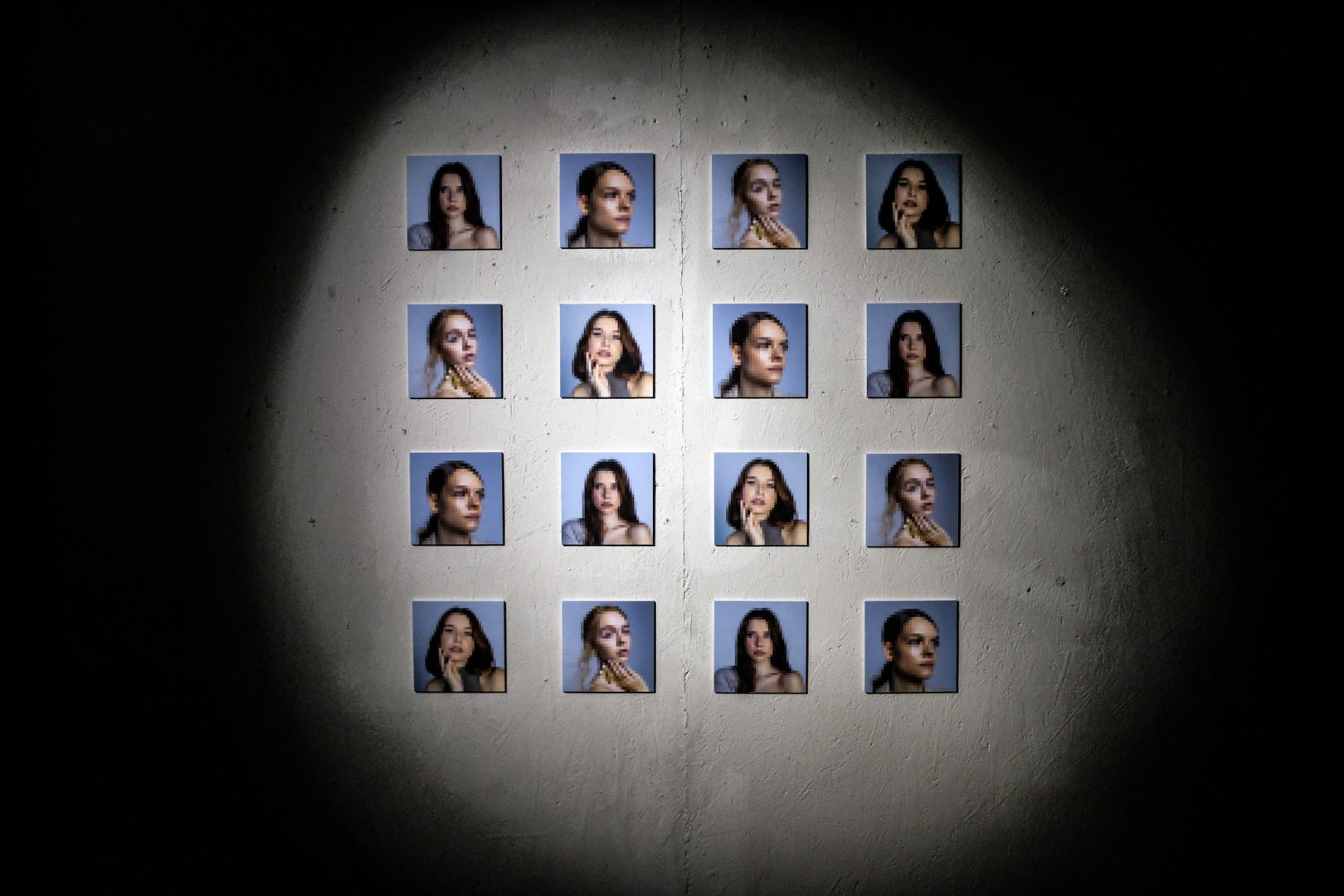
As part of the second edition, a student exhibition titled "Digital Art '23" took place in the WL4 Art Space – Mleczny Piotr in the Imperial Shipyard. Participants included students from the Academy of Fine Arts in Gdańsk, the Academy of Art in Szczecin, the University of the Arts in Poznań, ESAD in Orléans (France), the University of Ostrava (Czech Republic), and Bilkent University in Ankara (Turkey).
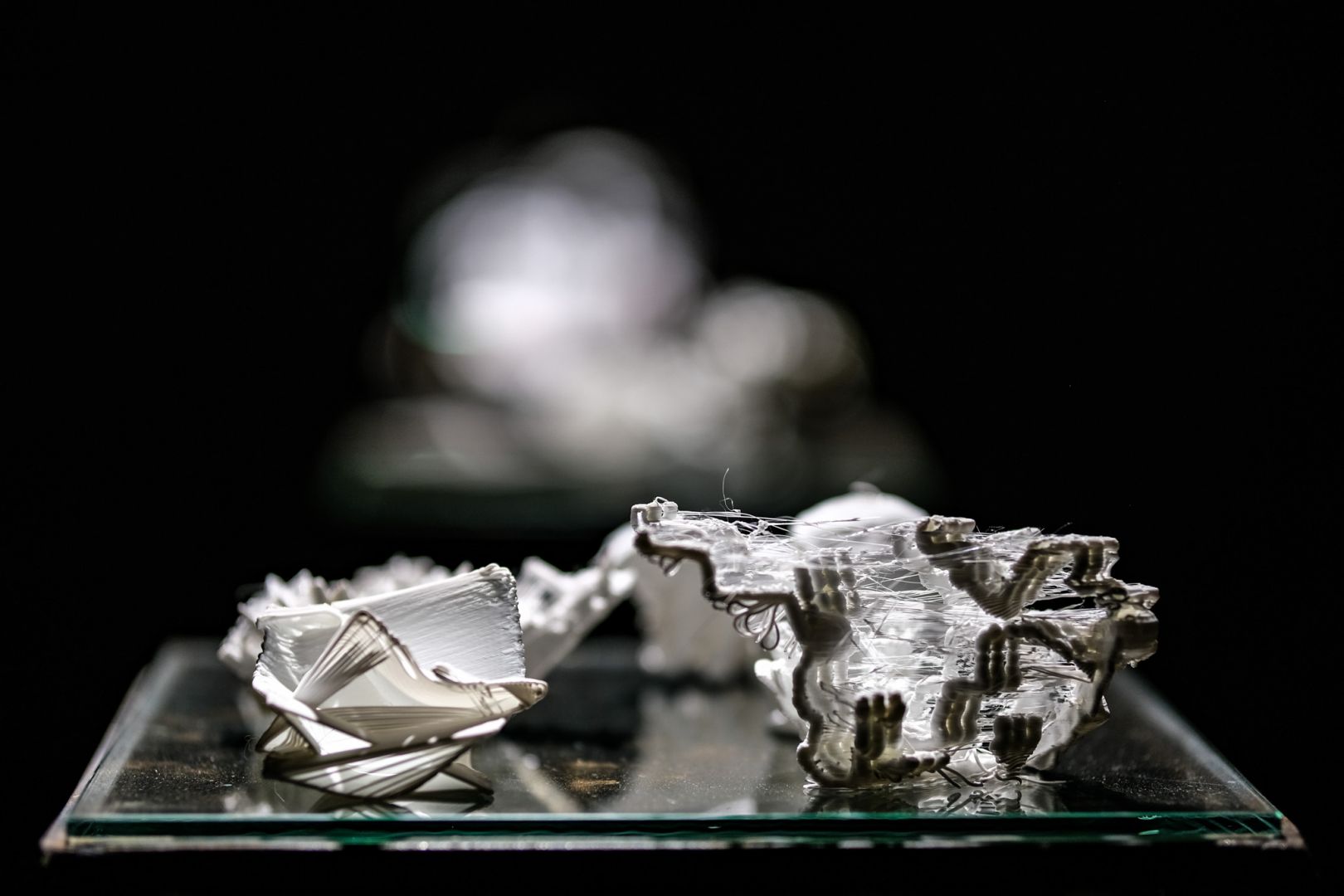
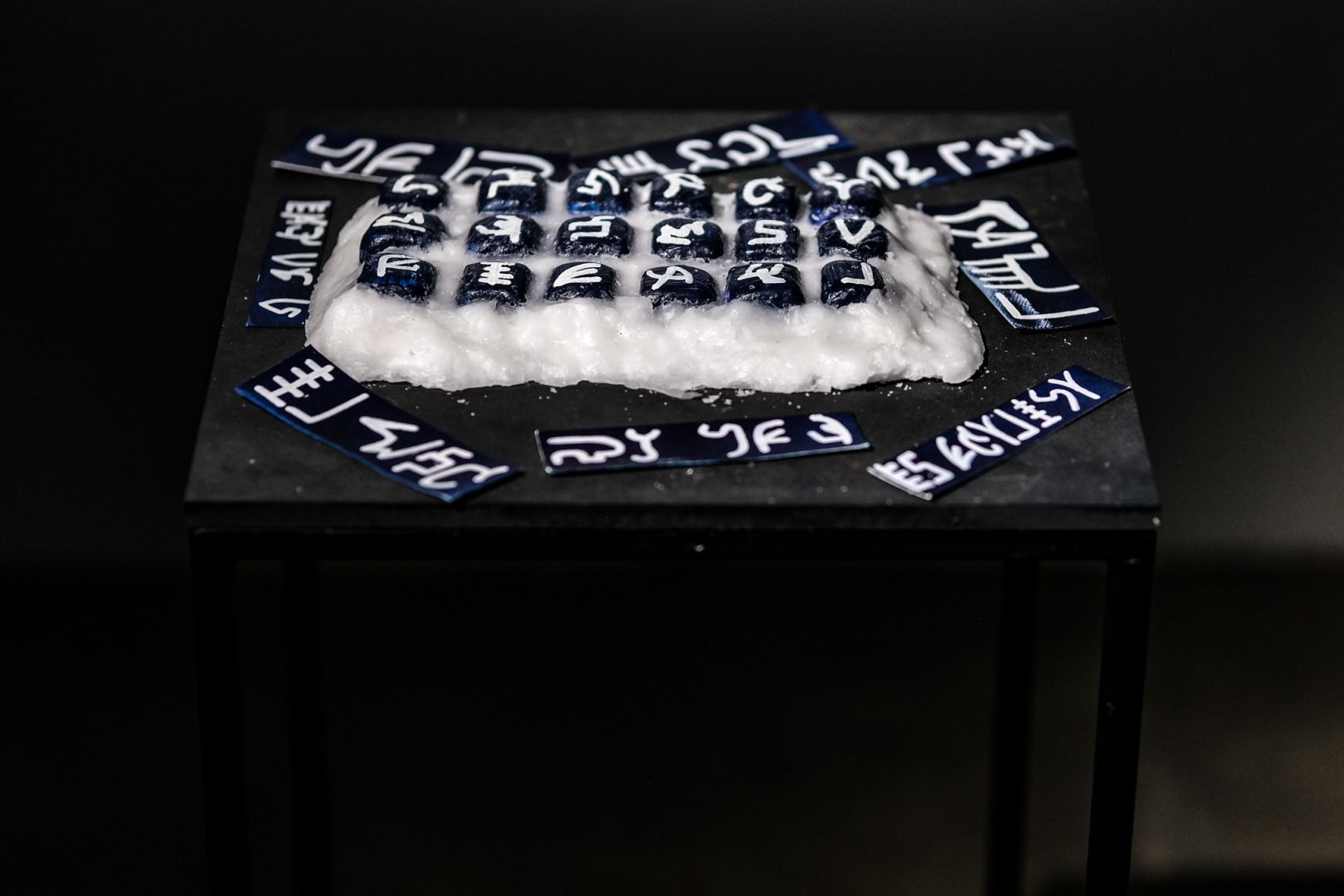
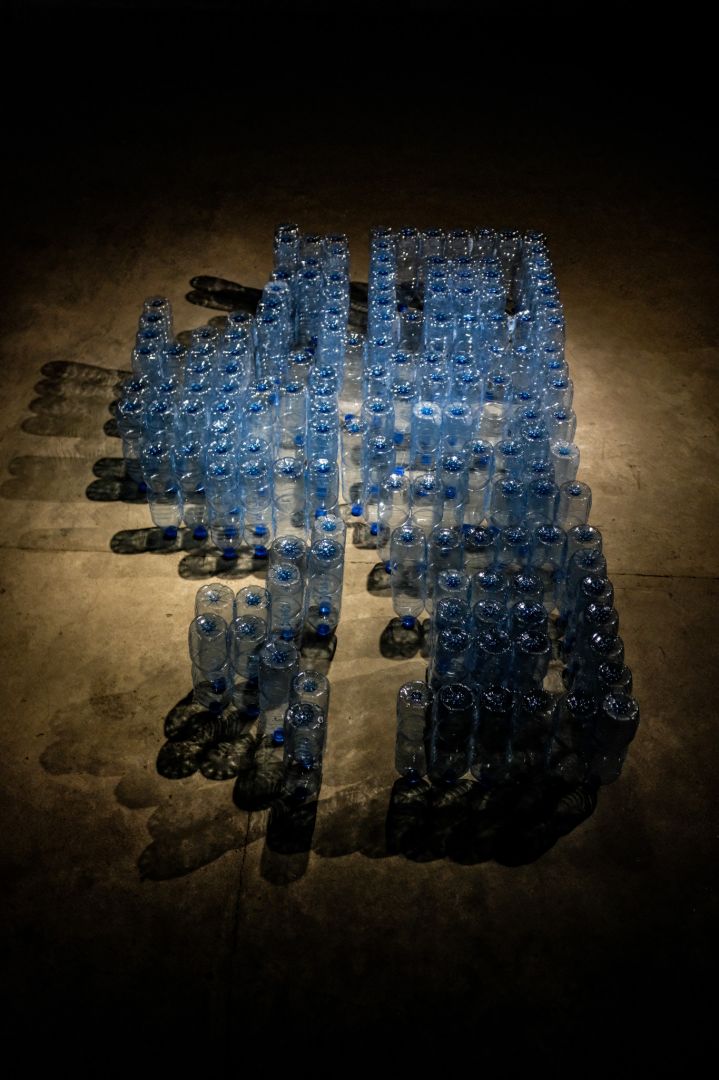
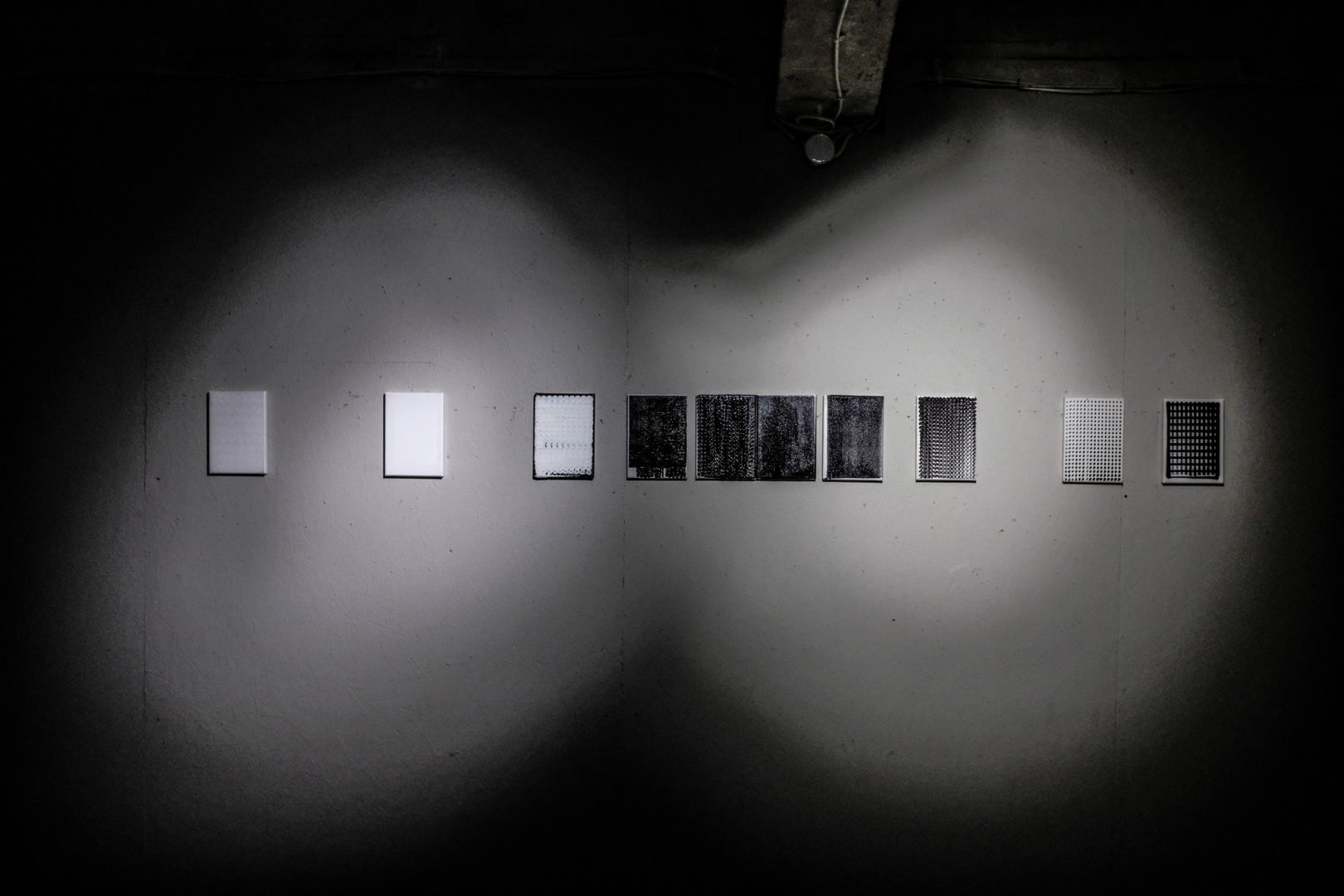
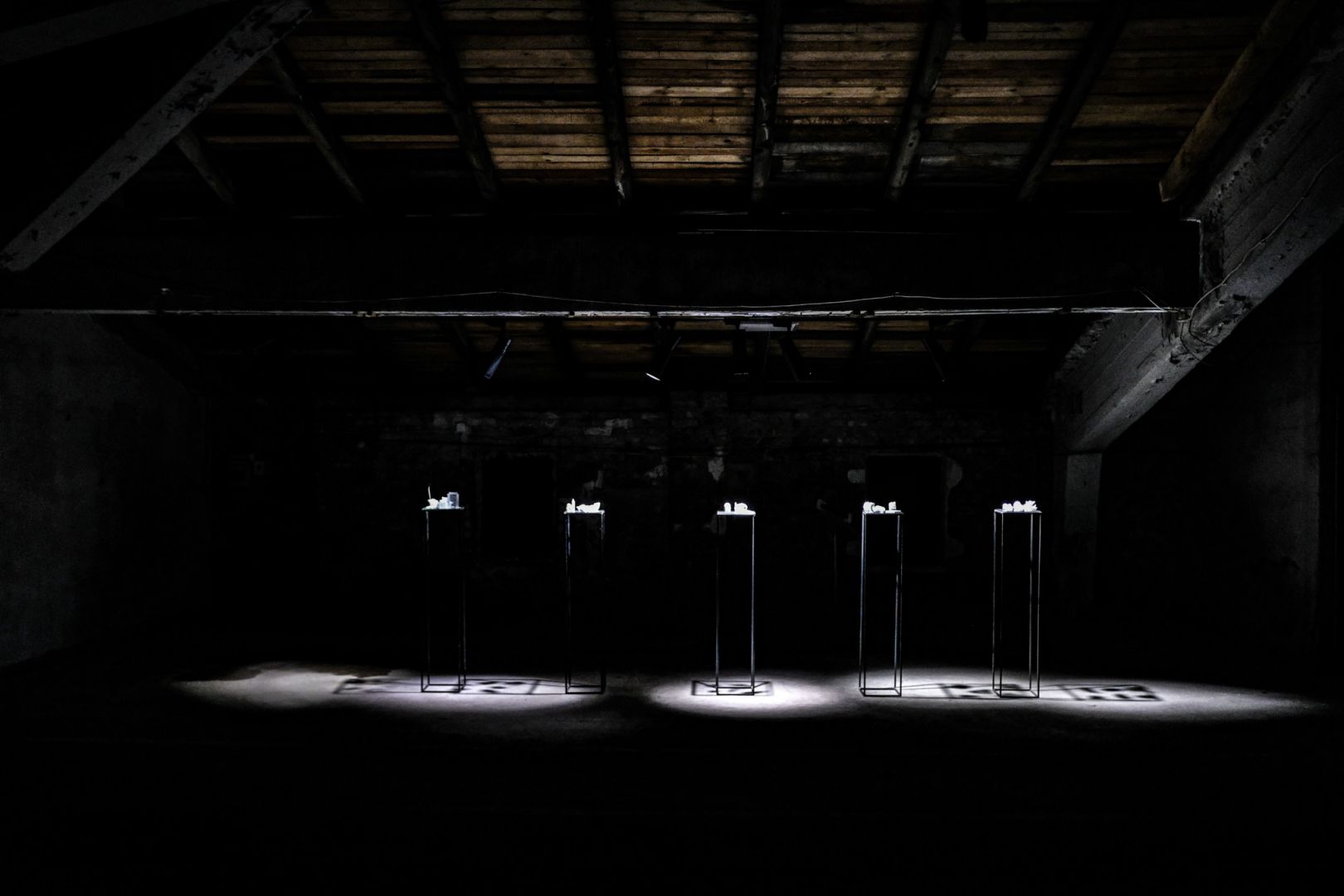
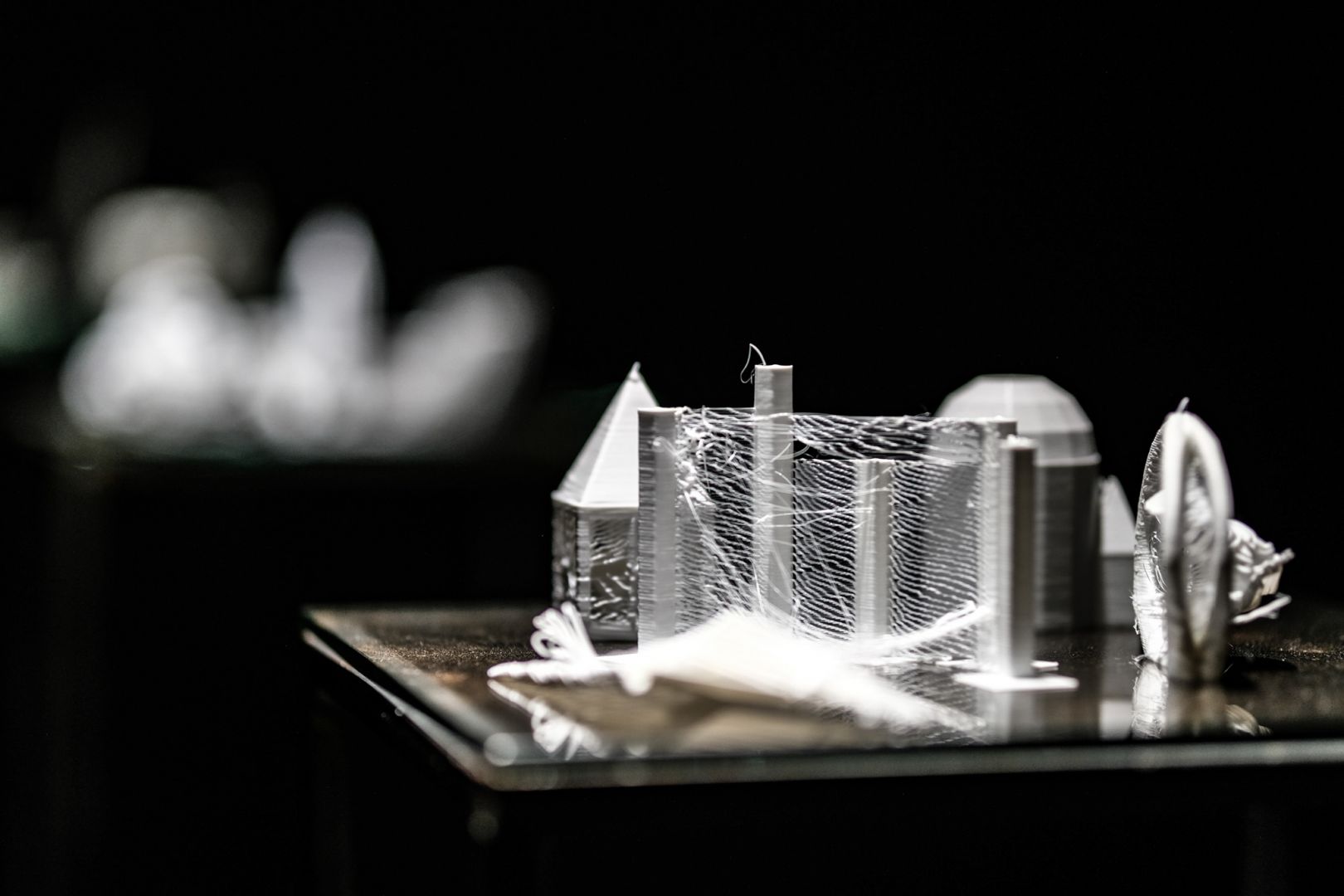
At Mała Zbrojownia, Faculty of Sculpture and Intermedia of the Academy of Fine Arts in Gdańsk, an exhibition titled "Pre-Pro-Gram-Mability of Nature – The Openness of Nature to the Transformation of Its Associated Field of Meaning" featured works by Aleksandra Łukaszewicz (PL), Zbigniew Romańczuk (PL), Radek Nagay (PL), Katarzyna Kujawska-Murphy (PL), Filip Wierzbicki-Nowak (PL), and Andrzej Banachowicz (PL). The exhibited works demonstrated the plasticity of reality and its evolution on both ontological and cultural levels. Artistic research into cultural evolutionary processes regarding the ontological status and social function of art in the age of digital technology and virtual reality enabled the exploration of alternative conceptualizations and their potential future consequences.
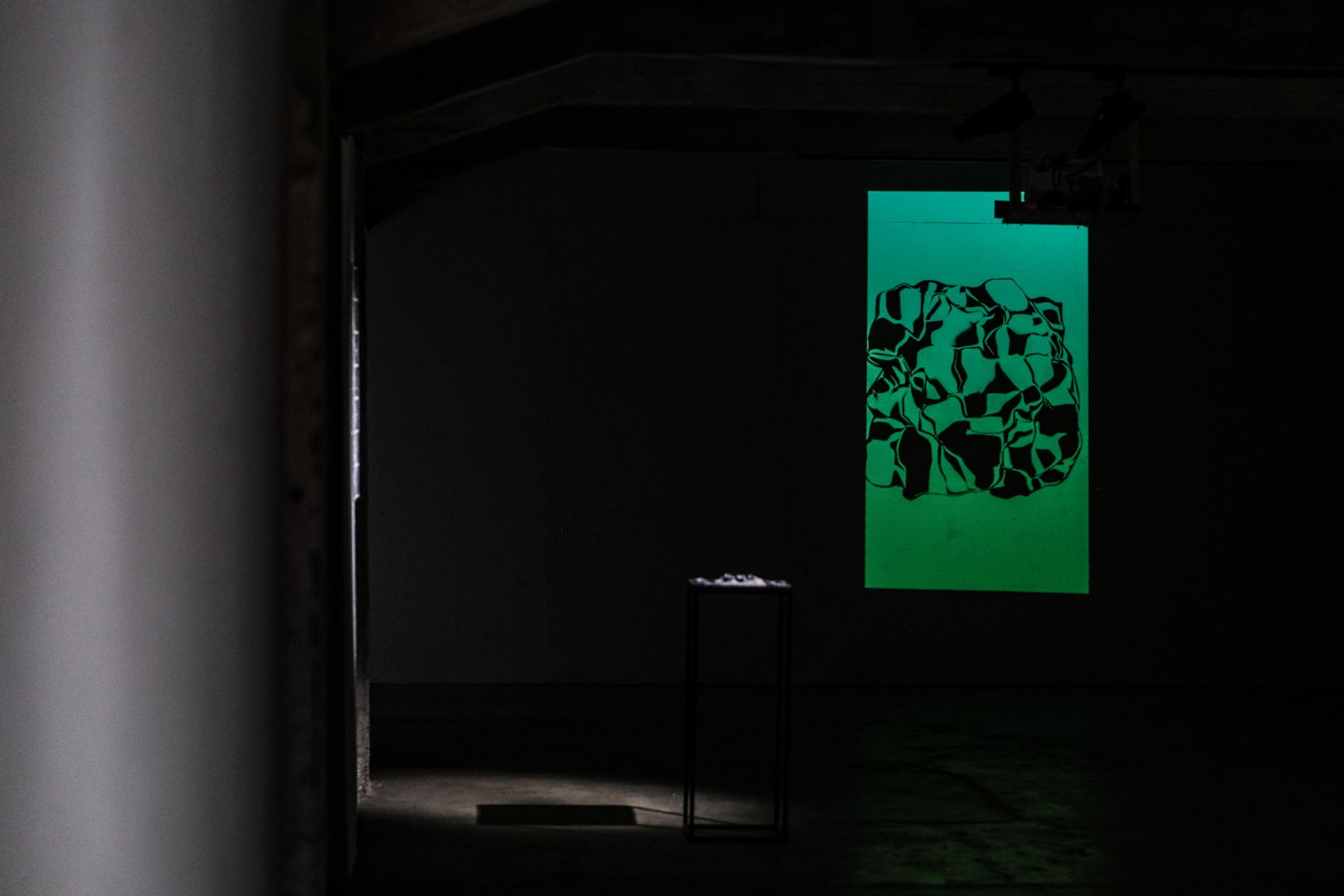
Additionally, the "Digital Art – Digital Video" exhibition was held at Wielka Zbrojownia, and Tomasz Skórka's (PL) exhibition “Artificial Flowers” took place at the Voivodeship and Municipal Public Library in Gdańsk.
Throughout the 2023 Digital Art project, a series of lectures, discussions, workshops, and meetings with artists and theorists were held at the PATIO and Mała Zbrojownia of the Academy of Fine Arts in Gdańsk.
Highlights included:
Filip Wierzbicki-Nowak: a lecture on defining the image from a post-digital perspective.
Katarzyna Kujawska-Murphy: a presentation on the impact of transcoding practices on collectivity and cultural identity.
Radek Nagay and Zbigniew Romańczuk: research on new forms of creation at the intersection of the natural and the digital.
José Manuel Revez: exploration of working with sculptural materials in extended and virtual spaces.
Robert Turło: use of new technologies in preparing the permanent exhibition at the Saxon Palace in Kutno.
Andreas Guskos: on the artistic potential of AI tools.
Adam Przybysz: challenges in the artistic use of digital tools.
Arkadiusz Marcinkowski and Tomáš Koudela: on AI in the context of the repeatedly declared “death of the author.”
Paweł Dudko: workshops on new tools in conceptual creative work and NFT technology in art.
Filip Ignatowicz: strategies of performative internet culture, especially Youtuber performance art; premiere of a new online video-performance from the art.UNBOXING series, dedicated to art distribution via Instagram.
Aleksandra Godlewska: economic and ecological themes of Fourth Industrial Revolution technologies from consumer and design perspectives.
Maciej Ożóg: empathy-based collaboration with AI as both a challenge and opportunity for human creativity.
Grzegorz Rogala and Joanna Krzysztoń: screening of the AI-generated film “Para/Couple” and discussion on the evolution of digital technologies in art.