Academy of Fine Arts in Gdańsk
Targ Węglowy 6, 80-836 Gdańsk
NIP: 583 000 93 46, REGON: 000275820
+48 58 301 28 01, kontakt@asp.gda.pl
Academy
Students

Sponsors
Partners



Academy of Fine Arts in Gdańsk
Targ Węglowy 6, 80-836 Gdańsk
NIP: 583 000 93 46, REGON: 000275820
+48 58 301 28 01, kontakt@asp.gda.pl
Academy
Students
Sponsors
Partners
NUMERICAL ART – (POST)DIGITAL TRANSFORMATIONS
International art and research project
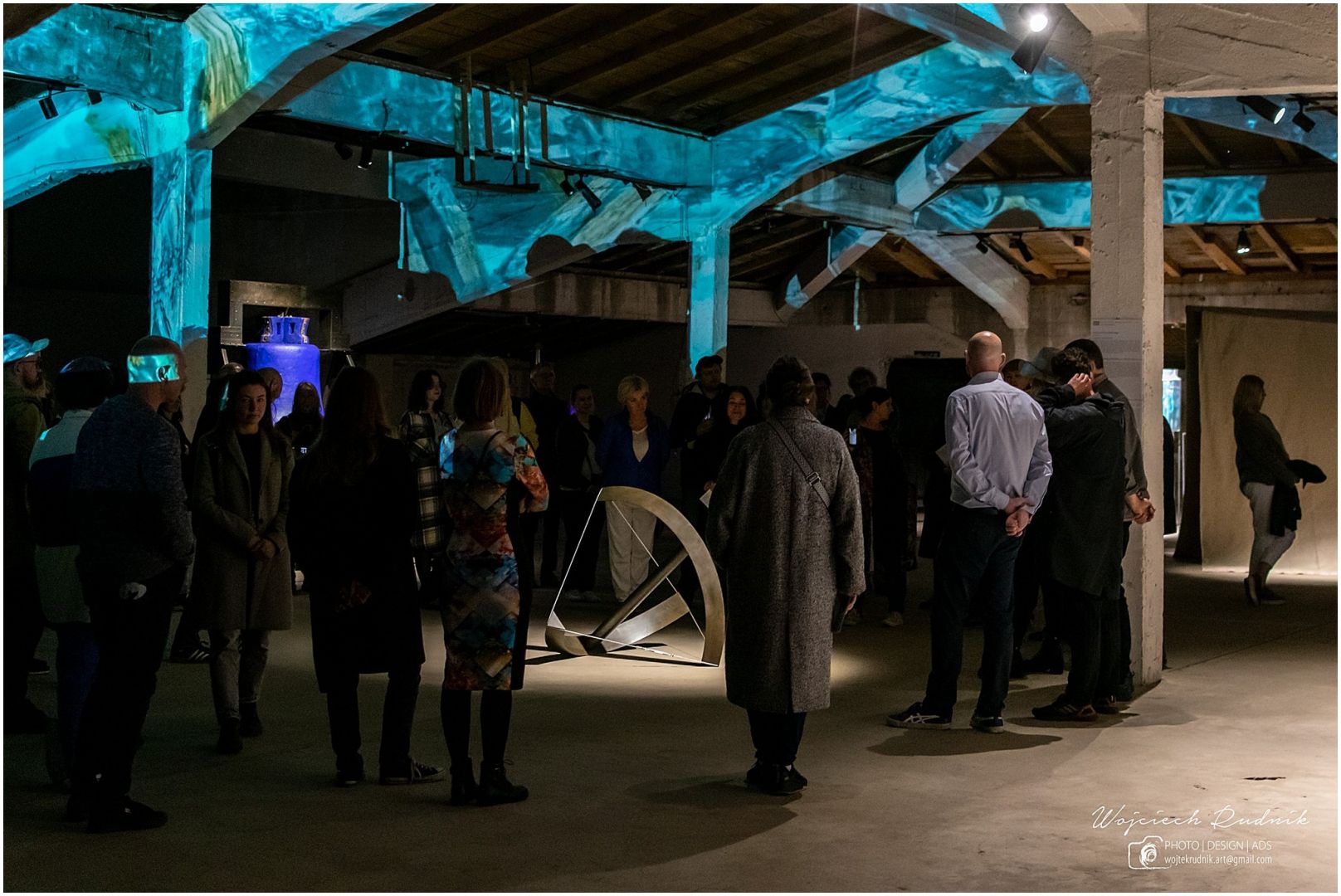
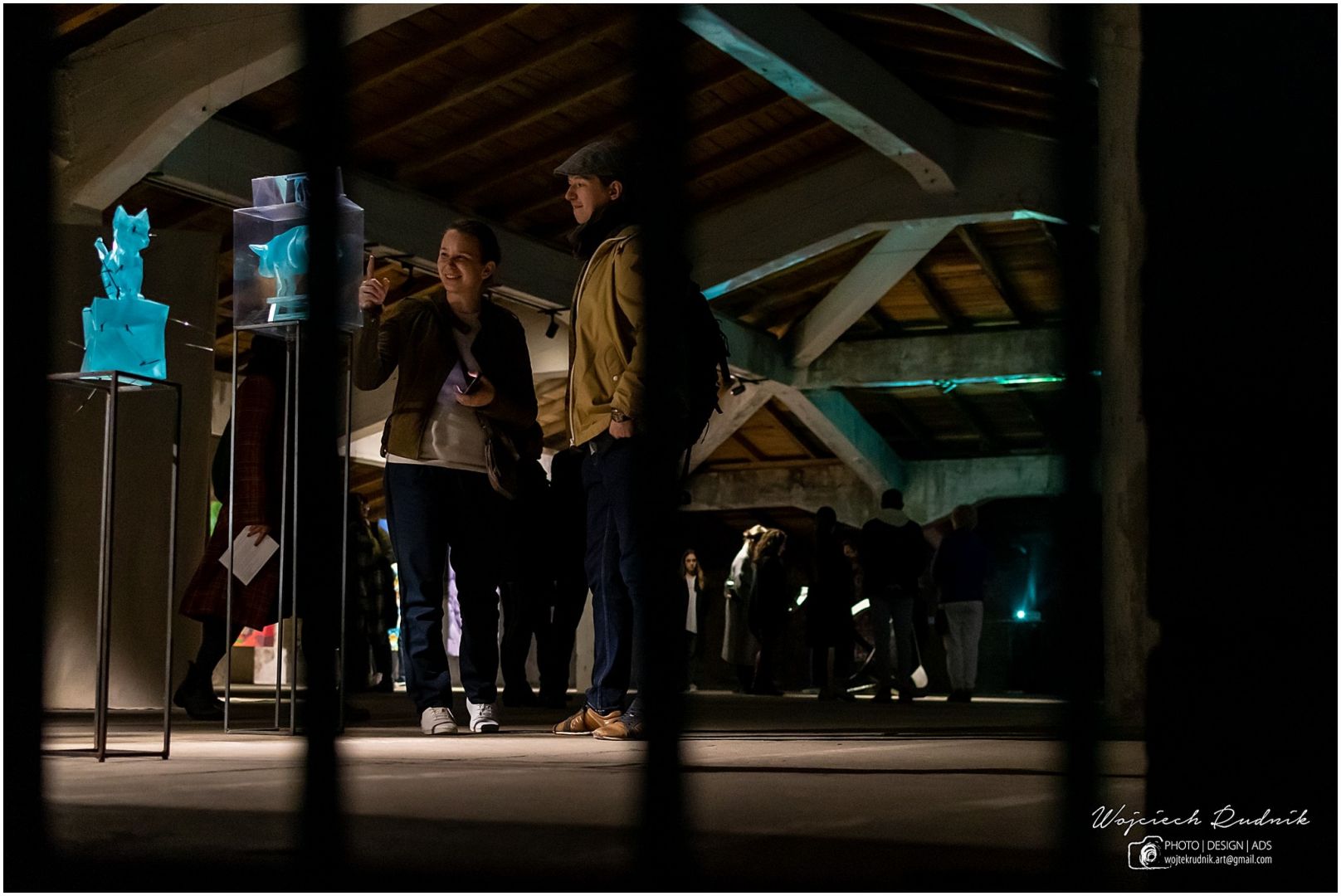
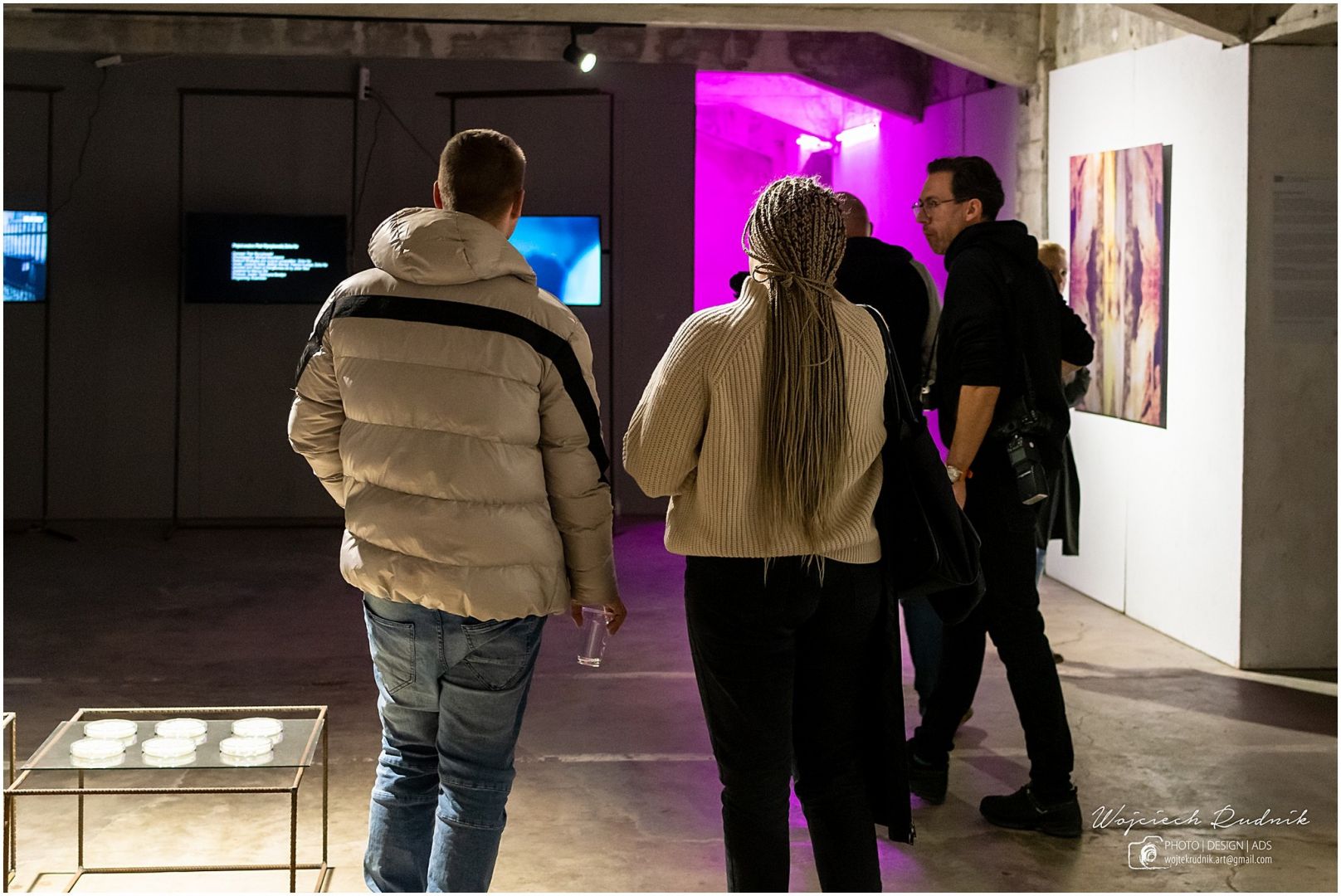
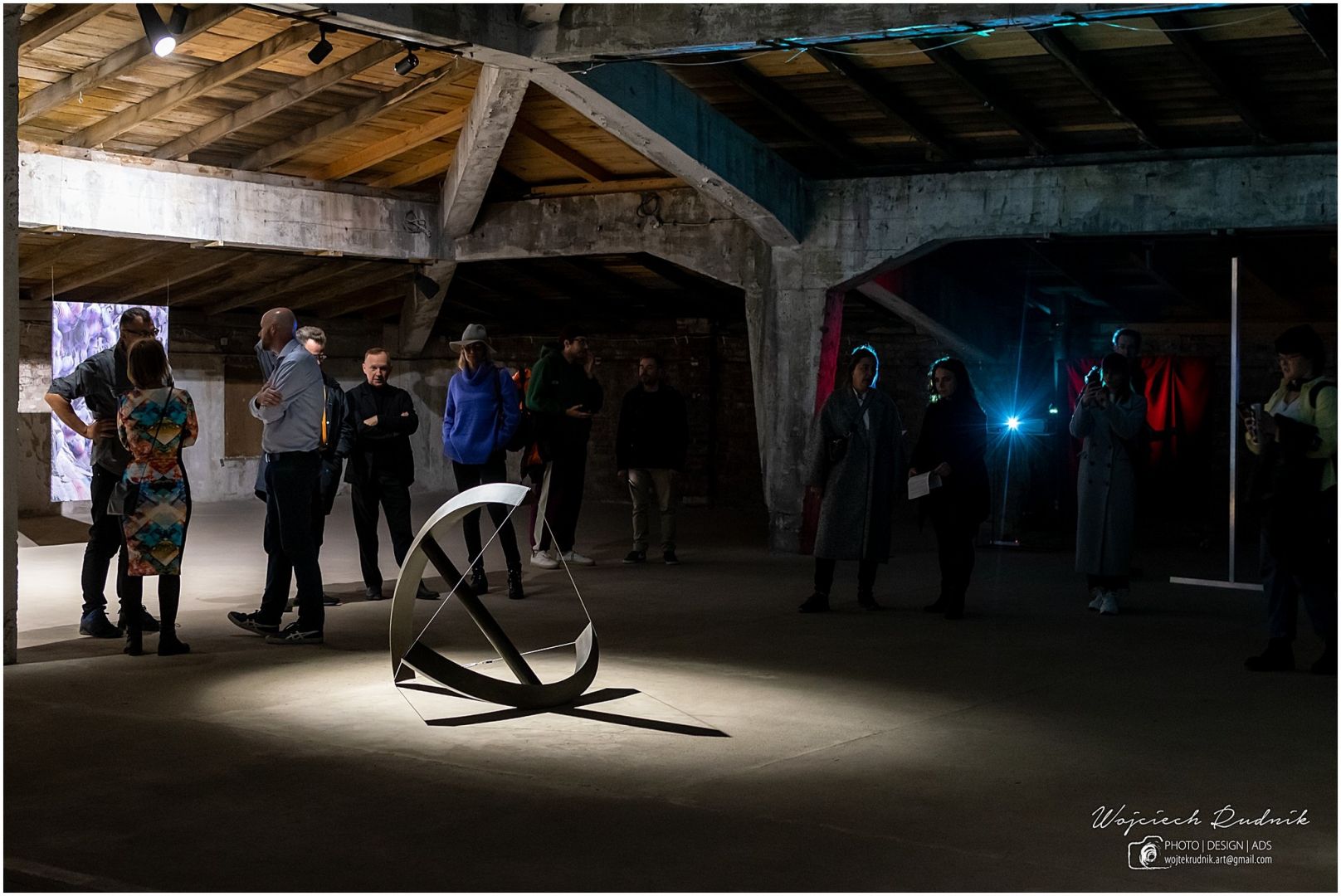
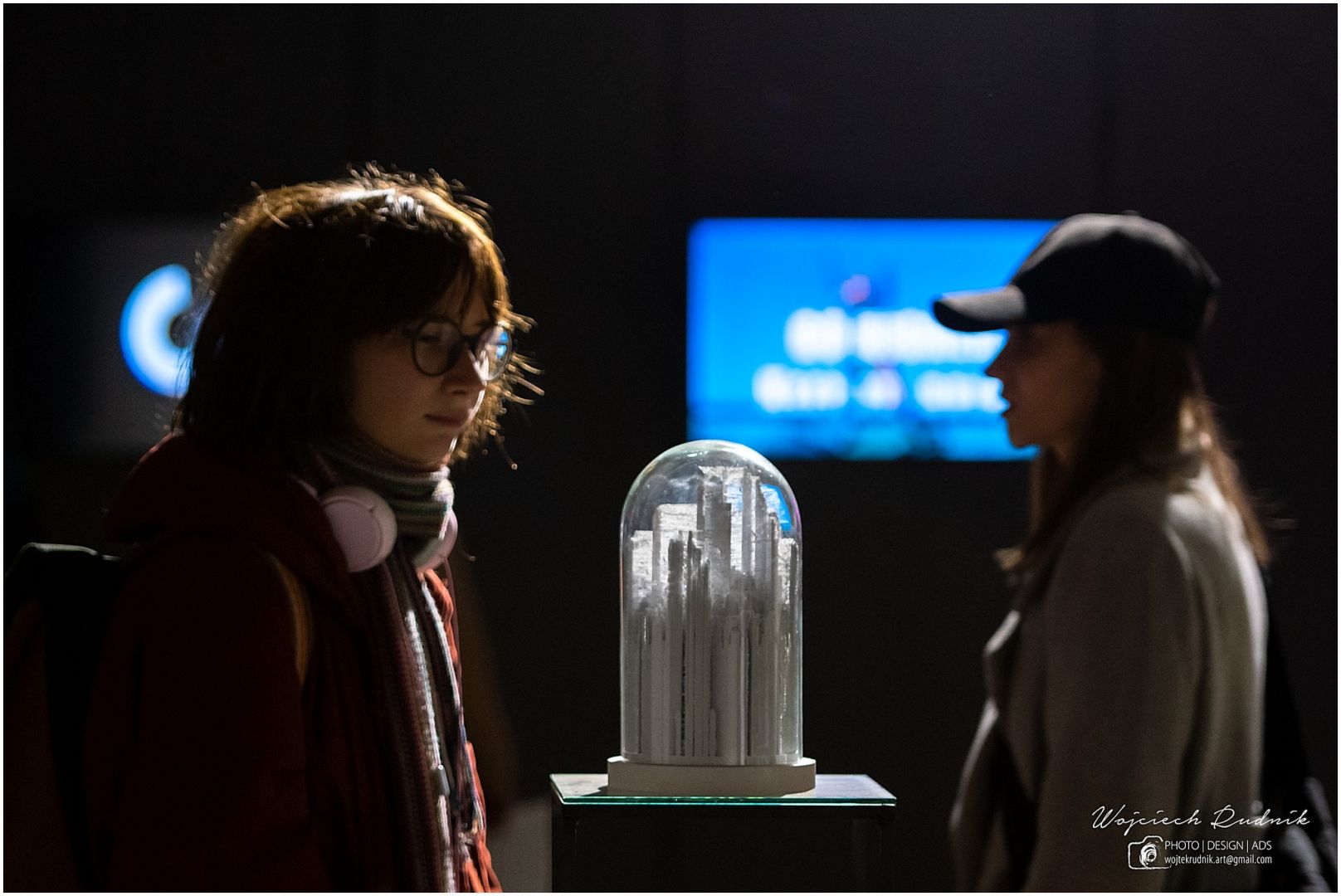
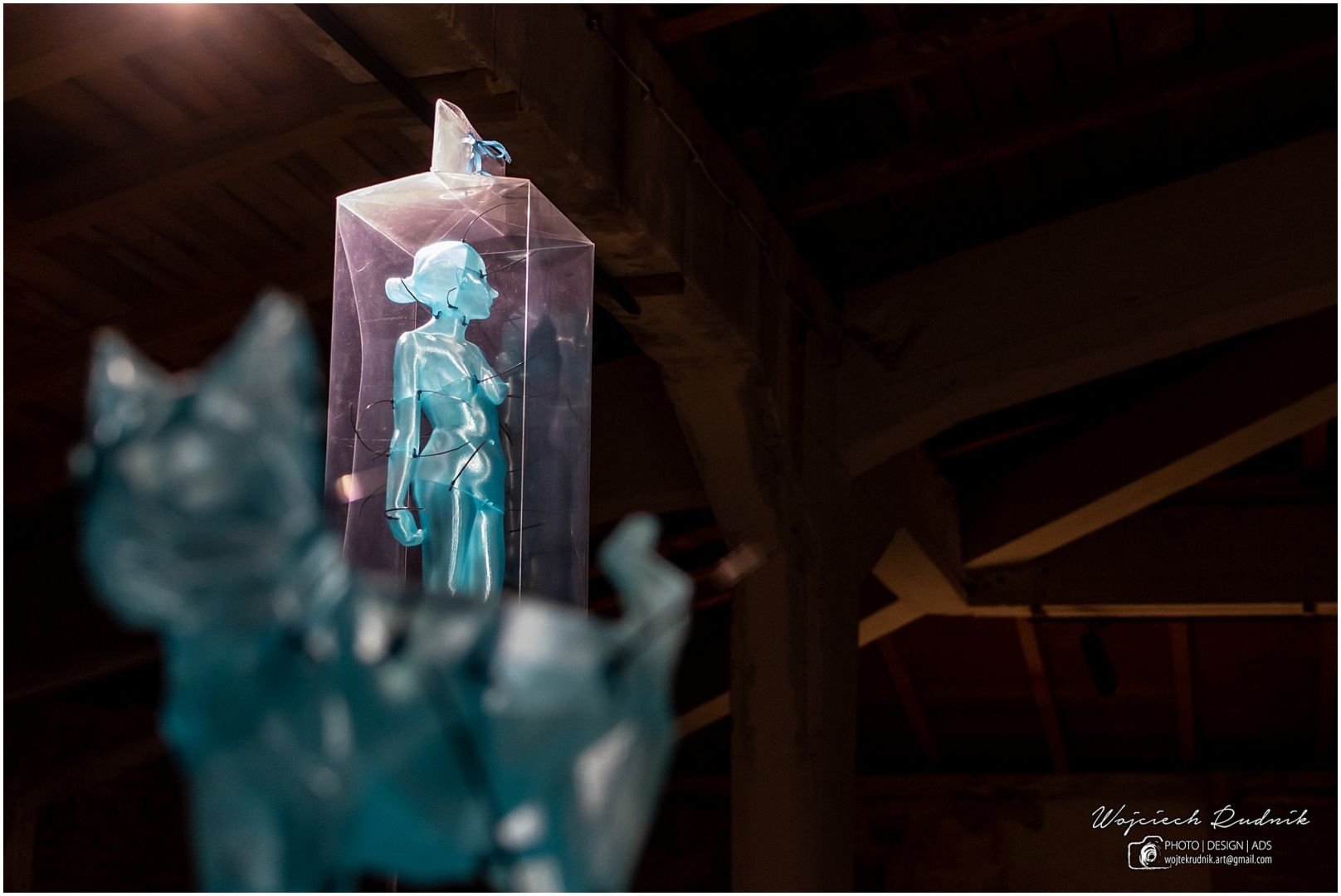
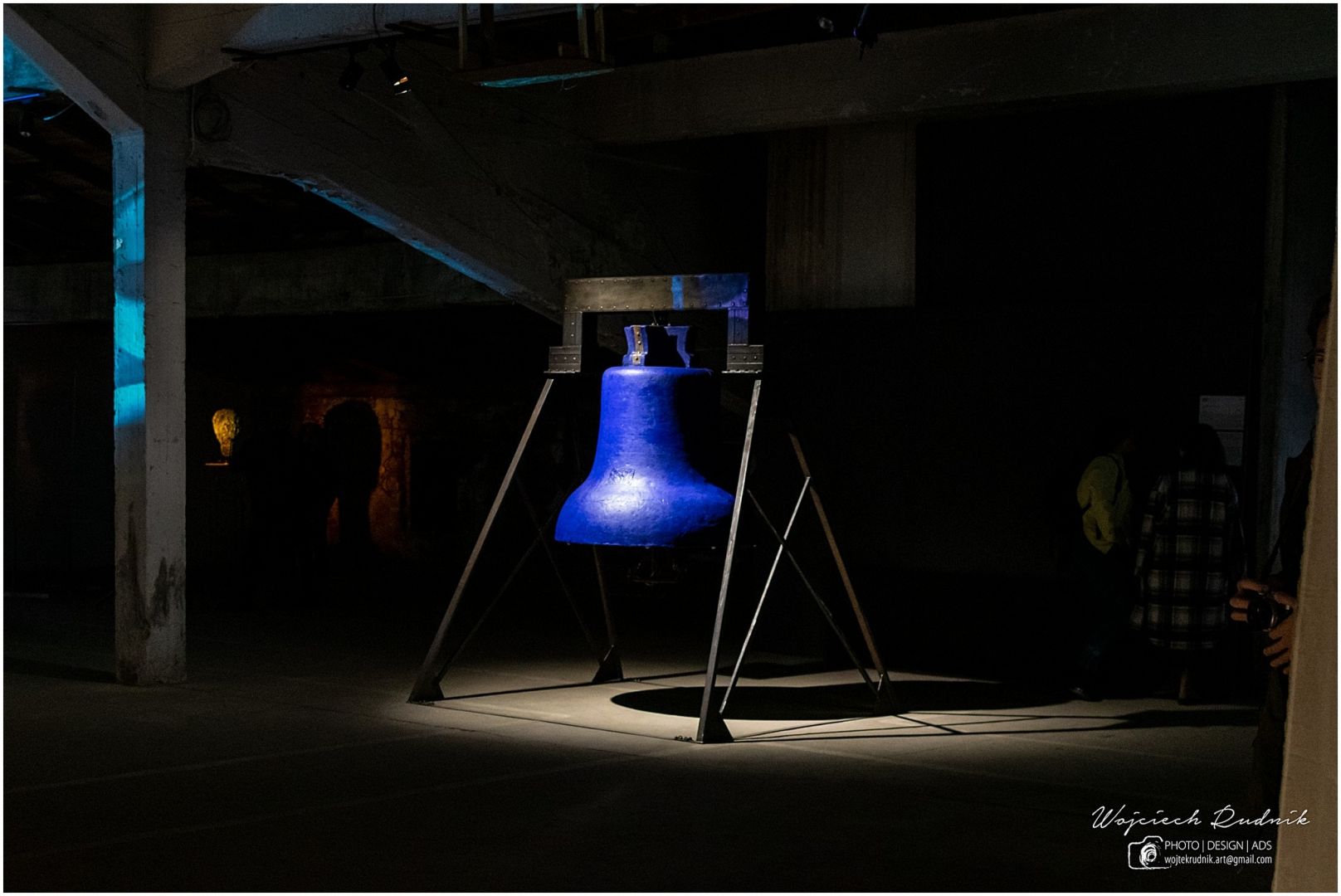
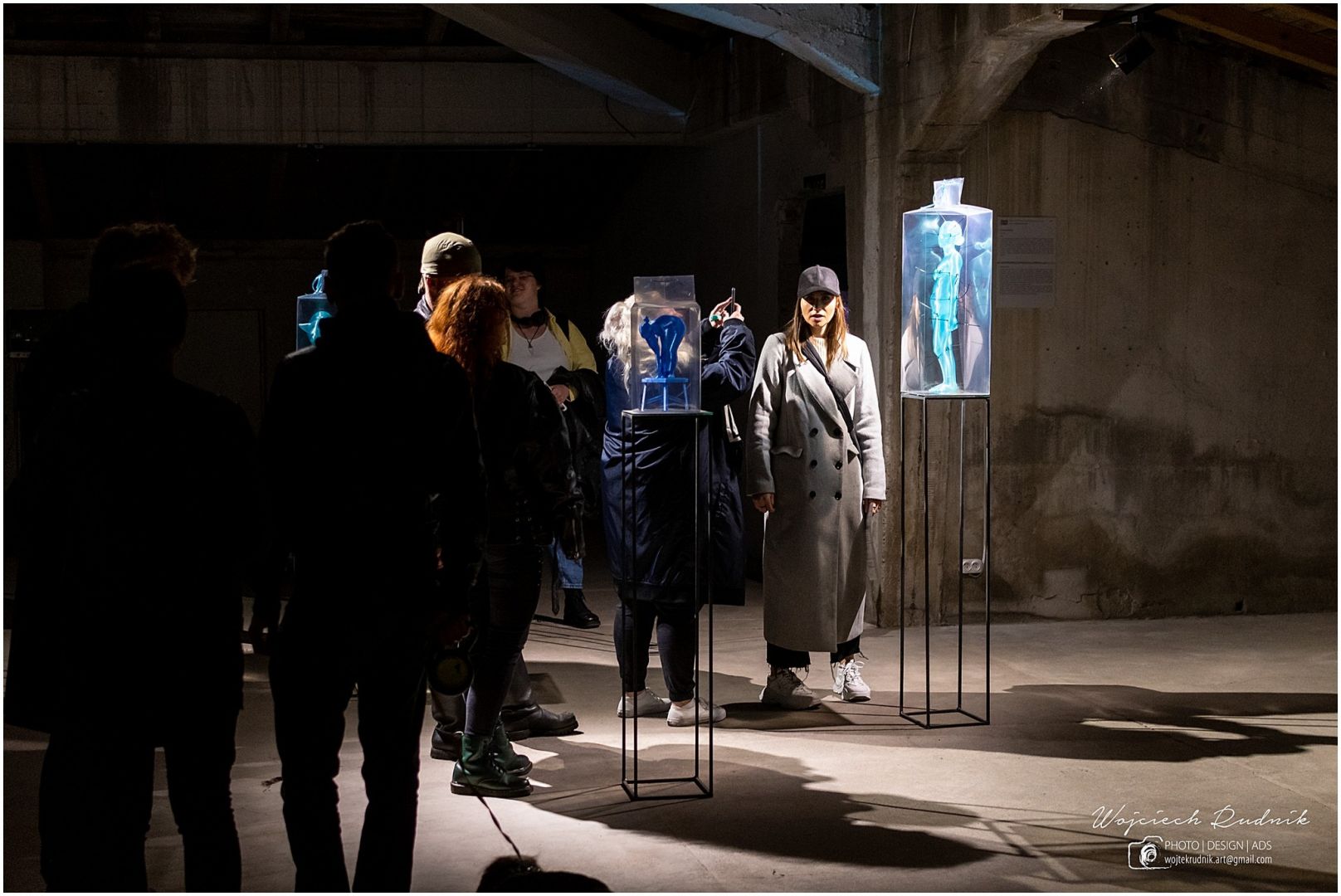
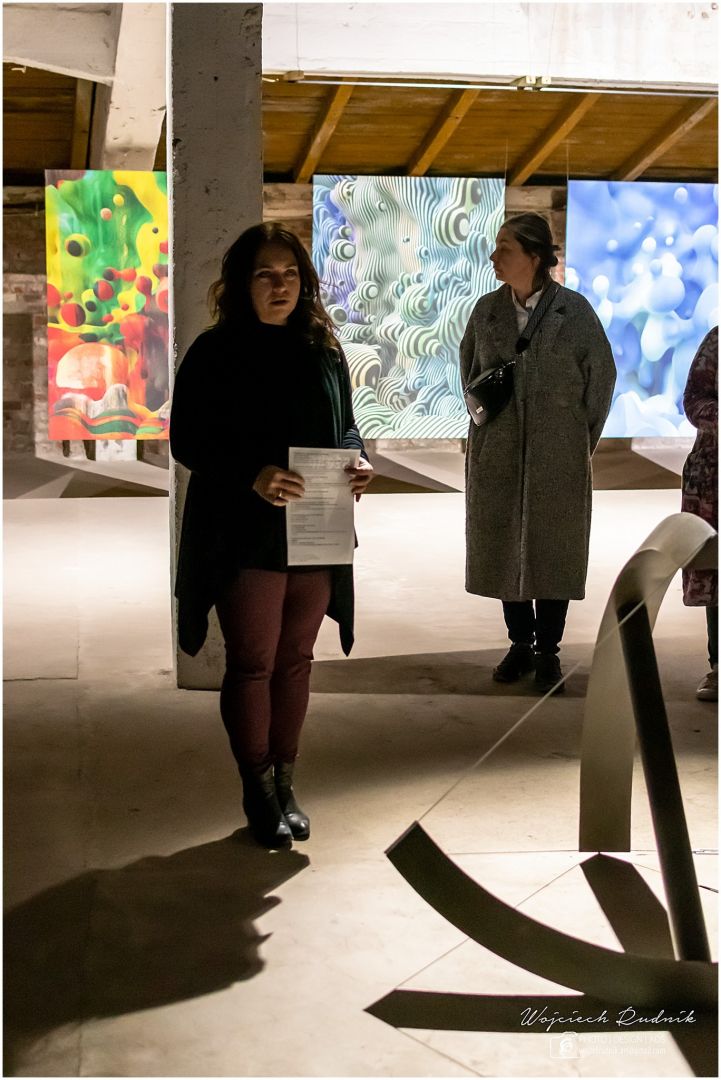
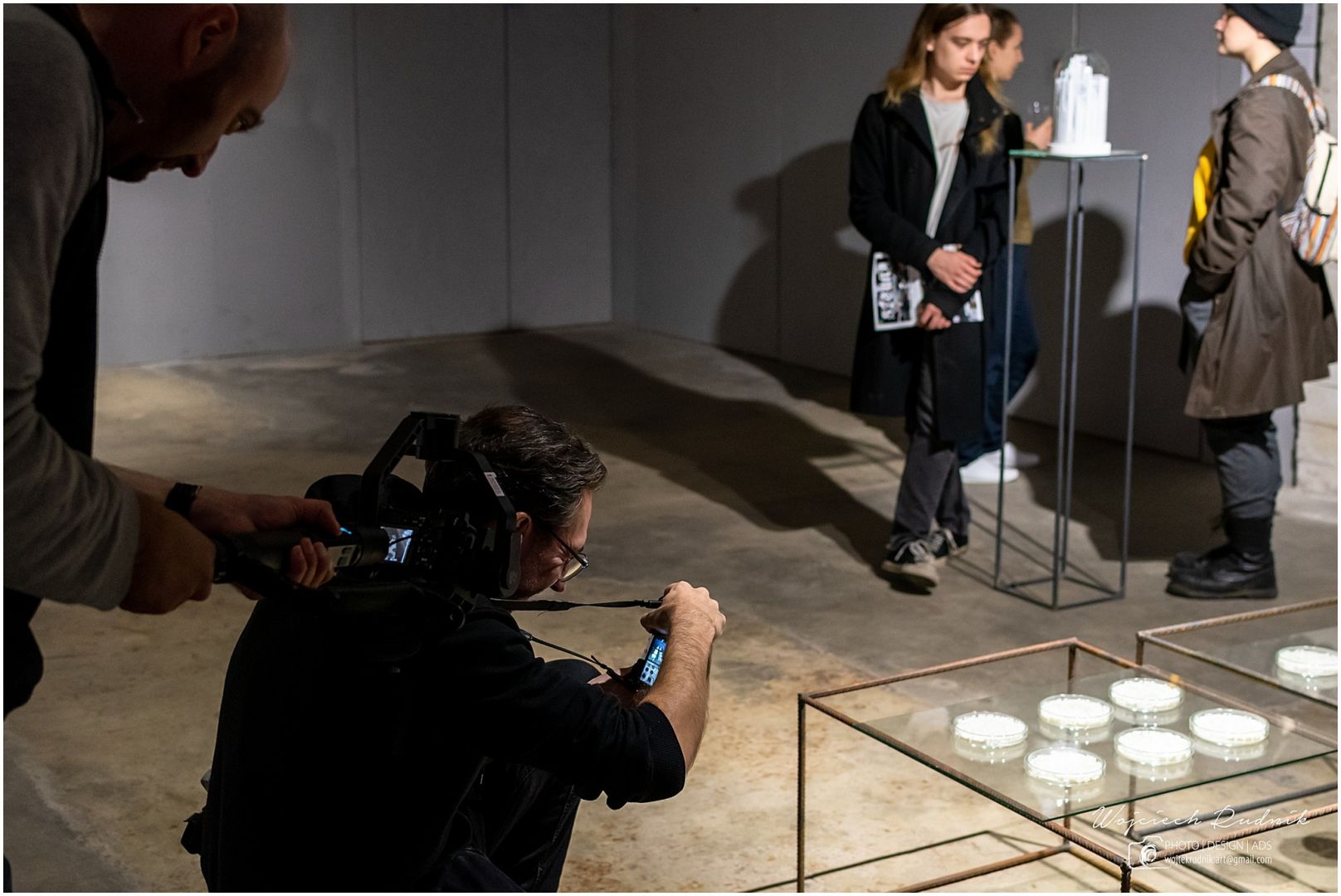
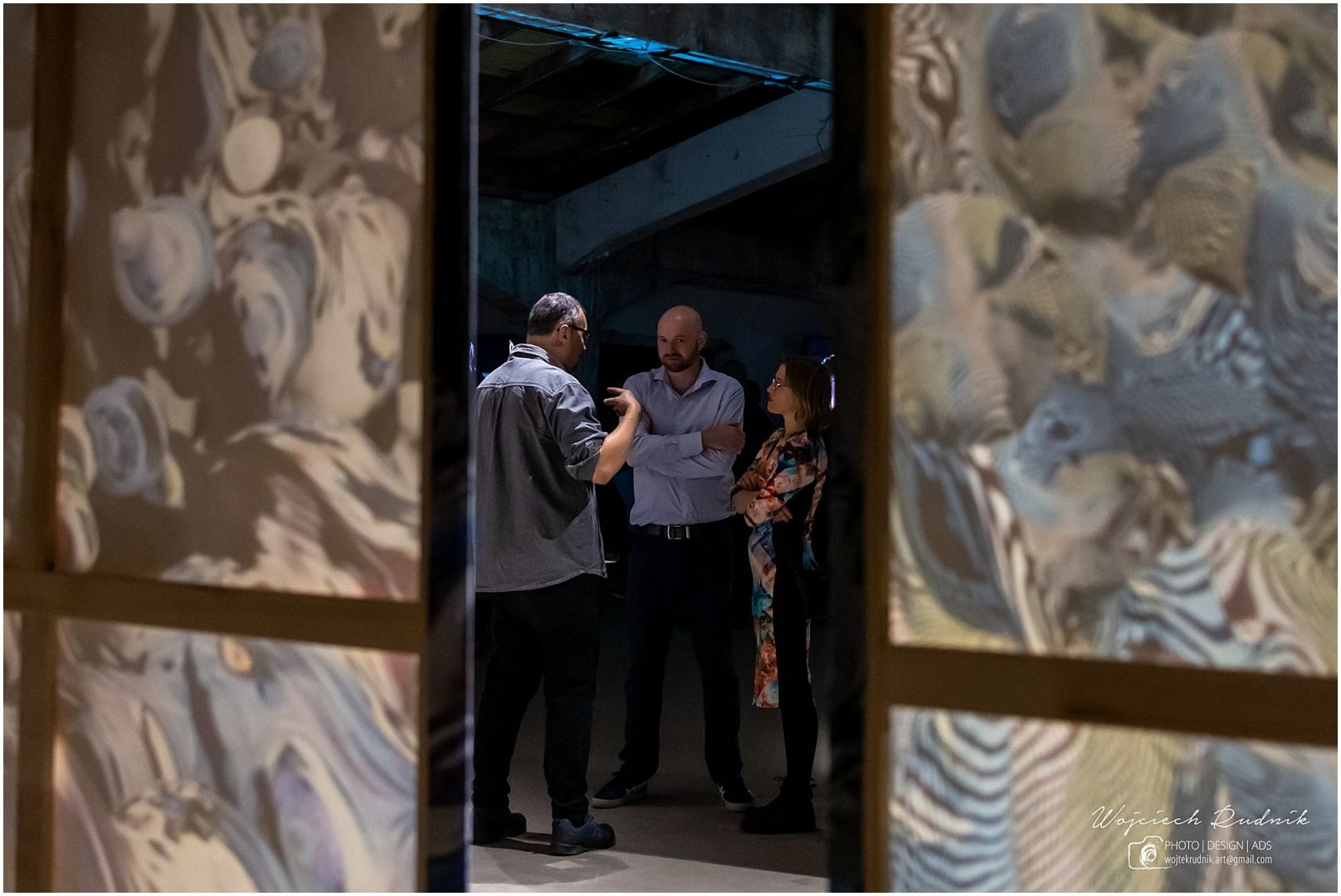
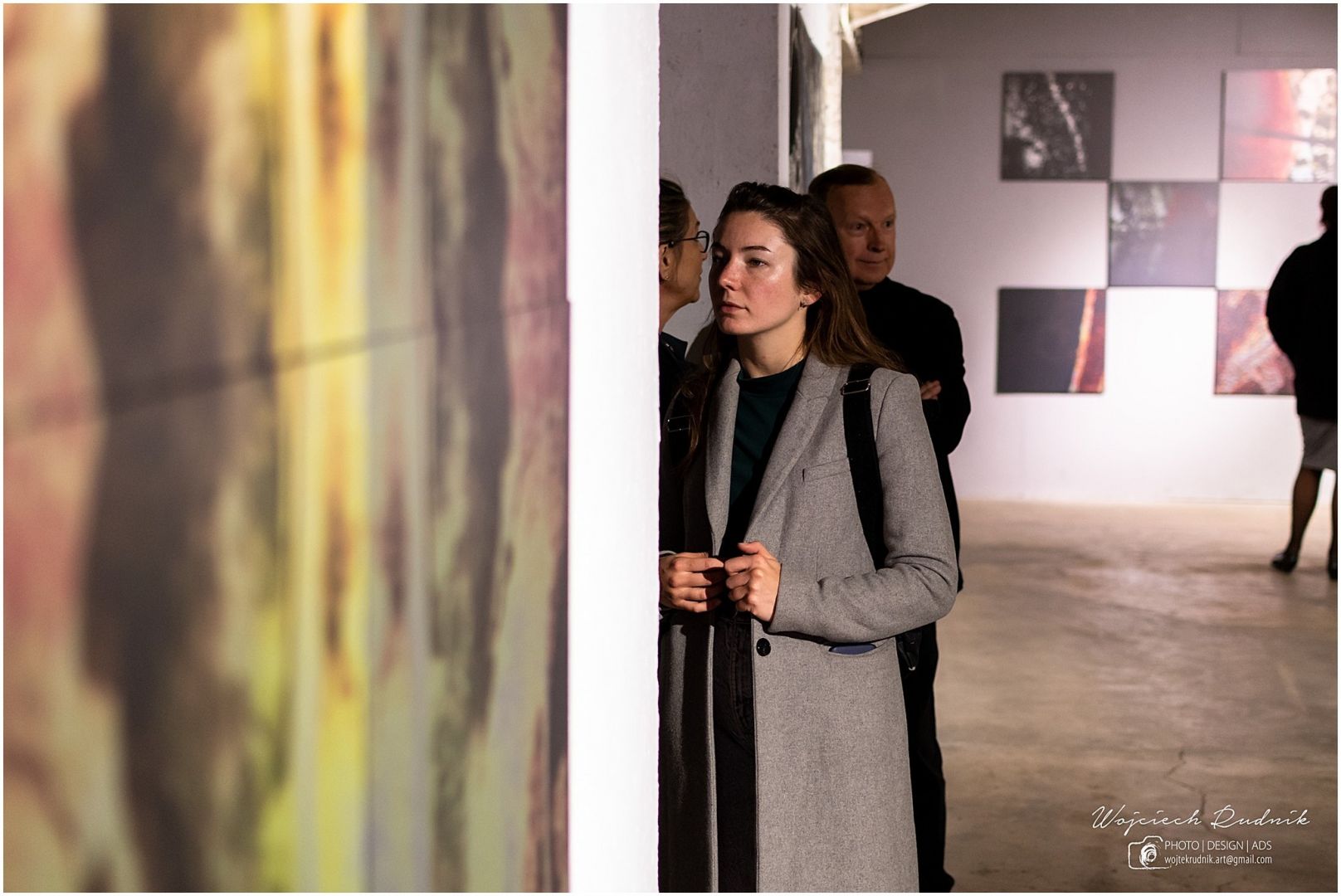
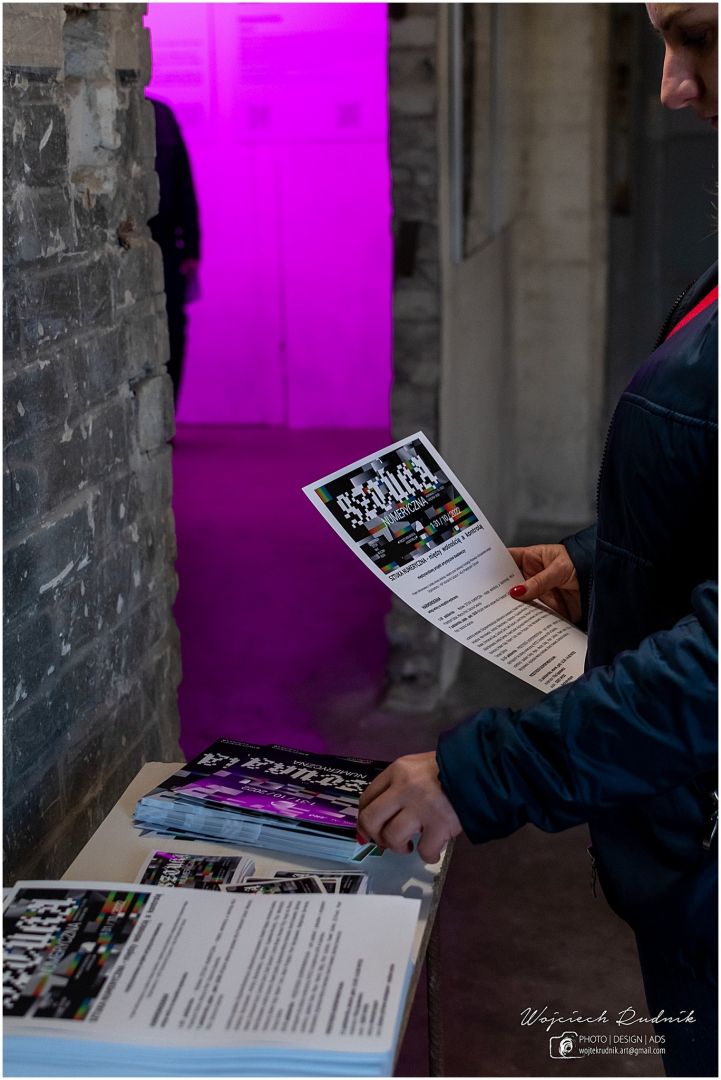
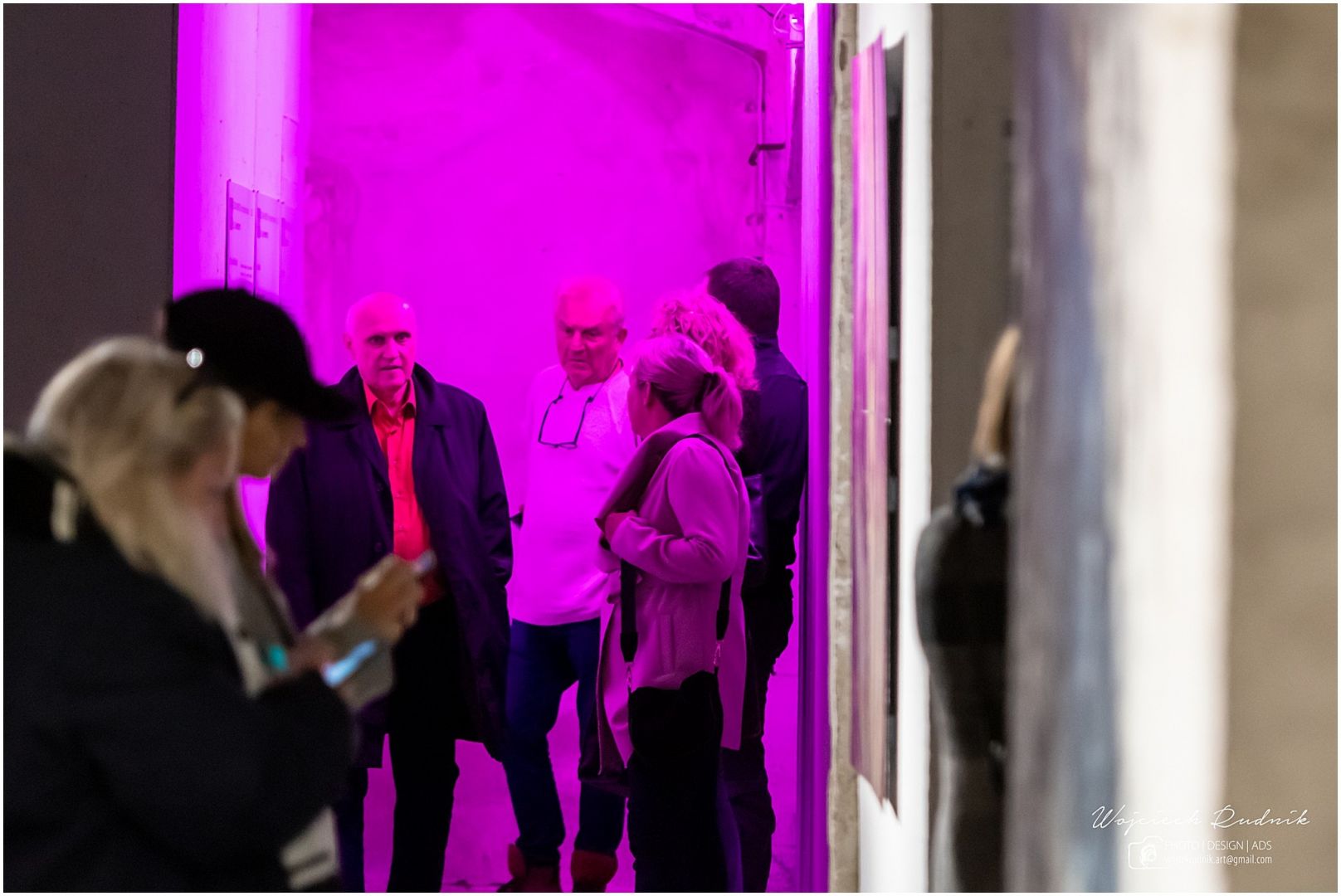
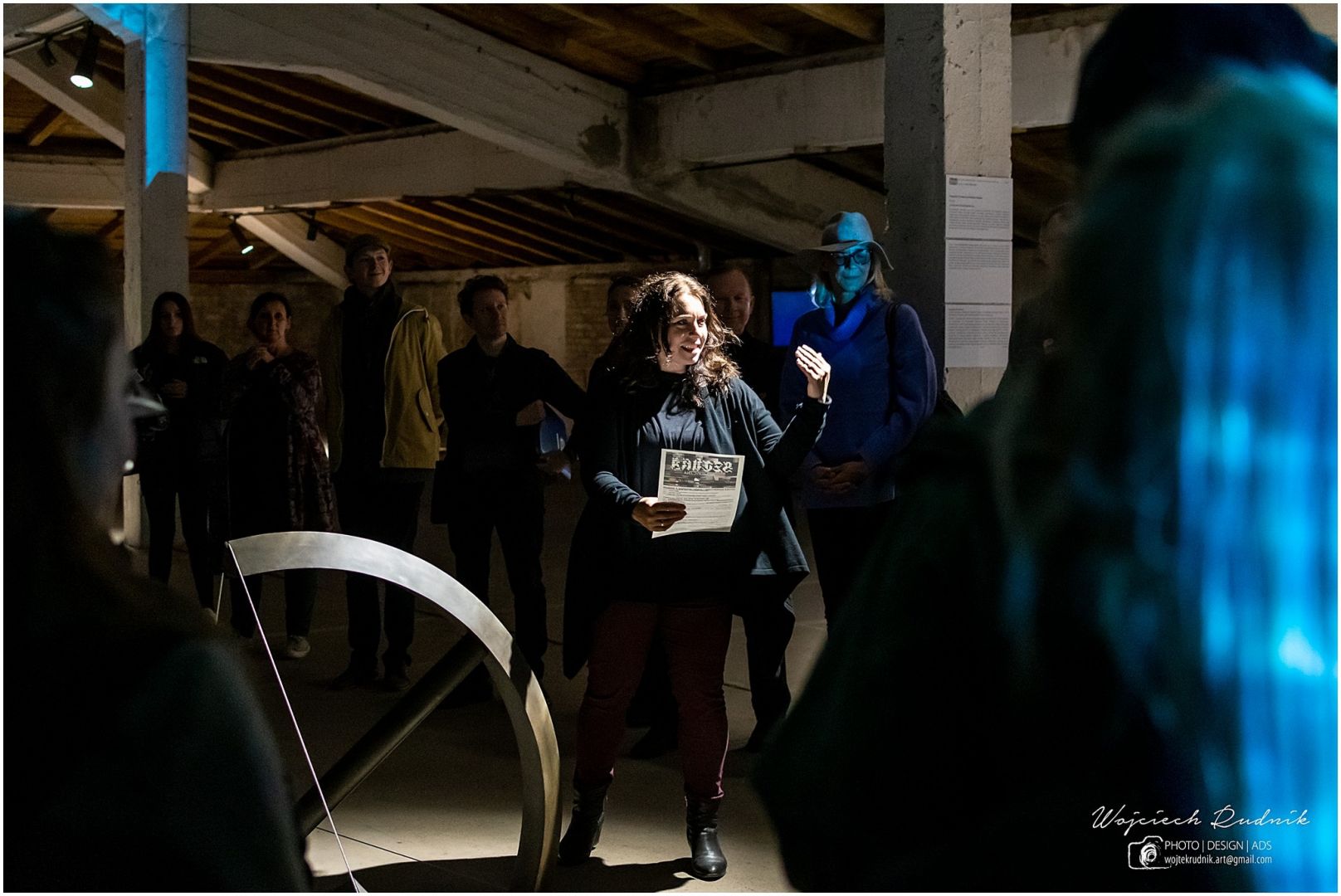
The second edition of NUMERICAL ART was realized at the Academy of Fine Arts in Gdańsk /PATIO and at various locations in the city of Gdańsk. From October 23 to 28, 2023, a series of artistic realizations and interventions, open lectures, workshops, film screenings, discussion panels, and meetings with artists and art theorists took place.
date: 23 – 28.10.2023
location: PATIO, Mała Zbrojownia
Event plan – download (84 KB) docx
date: 28.10.2023, 3 p.m.
location: PATIO
more information – go to website
opening: 23.10.2023, 7 p.m.
exhibition open: 23.10 – 15.11.2023
location: Art Space WL4, Mleczny Piotr, Stocznia Cesarska
Instagram – go to the page
opening: 24.10.2023, 2:00 p.m.
exhibition open: 24.10 – 30.10.2023
location: Small Armory, Faculty of Sculpture and Intermedia, Academy of Fine Arts in Gdańsk
for more information – go to the website
opening: 26.10.2023, 5:00 p.m.
virtual exhibition open from: 26.10.2023
location: monitors at the Academy of Fine Arts in Gdańsk Great Armory
opening: 26.10.2023, 5:30 p.m.
exhibition open: 26.10 – 20.11.2023
venue: Regional and Municipal Public Library, Targ Rakowy 5/6
for more information – go to the website
THEMATIC SECTIONS
Digital ecologies and cultural transformations
Artificial Intelligence and the post-digital perspective of art
Warsaw: Grzegorz Rogala, Joanna Krzysztoń
Łódź: Maciej Ożóg
Szczecin: Zbigniew Romańczuk, Aleksandra Łukaszewicz, Radek Nagay, Andreas Guskos, Arkadiusz Marcinkowski
Poznań: Andrzej Banachowicz, Katarzyna Kujawska-Murphy, Filip Wierzbicki-Nowak
Ostrava: Tomáš Koudela
Orléans: Rafał Borkowski
Białystok/Kutaisi: Paweł Dudko
Lisbon: José Revez
Gdansk: Filip Ignatowicz, Robert Kaja, Adam Przybysz, Tomasz Skórka, Robert Turło, Piotr Wyrzykowski, Aleksandra Godlewska, Adriana Majdzińska
The NUMERICAL ART 2023 project focuses on a critical approach to and understanding of contemporary visual culture shaped by digital technologies in relation to social, ecological, and cultural phenomena. The PATIO and Auditorium of the Academy of Fine Arts in Gdańsk were the centerpieces of NUMERICAL ART 2023. In addition, artistic events took place at various locations in Gdańsk.
The main theme of the NUMERICAL ART 2023: (POST)DIGITAL TRANSFORMATIONS was the transformation of artistic environments and practices, which are largely defined by the development of artificial intelligence, as well as the creative awareness that is emerging at the beginning of the 21st century.
Digital ecologies are digital environments that provide a space for many people to work, socialize, and participate in culture. They have a transversal character in relation to physical environments, combining with them to create new spaces for meaning, sense, and experience.
Digitalization is not only a working tool but also a working environment, including creative work, which is undergoing a significant cultural transformation. This transformation can be described to a certain extent by categories derived from Benjamin's theory of culture, emphasizing the revolutionary role of the material means of artistic production in relation to creative practice and with regard to the type of works created, as well as the status of the artist.
Concerns similar to those that arose in connection with the invention of the camera, which was supposed to be the end not only of painting but also of art created by artists, are now being raised in connection with artificial intelligence and image-generating programs. This leads to questions about the creativity of algorithms and the robots that work with them, as well as whether artists are still needed.
In the talks at NUMERICAL ART 2023, we took a critical look at these issues and also reflected on the perspective of art, which we call post-digital, understanding it as art that not only uses digital tools but as art that refers to the consciousness, life, and world shaped by digitality, and which can be both digital and physical at the same time.
The NUMERICAL ART project has a cognitive element in its premise, and the annual meetings of artists, art theorists, scientists, and researchers of contemporary visual culture are aimed at reflecting on the impact of digital technologies on contemporary artistic practice and our reality.
Zbigniew Romańczuk, Aleksandra Łukaszewicz
International art and research project
Project co-financed by the Gdańsk Foundation for Economic Development, Academy of Fine Arts in Gdańsk
This activity is partly implemented as part of the CAPHE project, which has received funding from the European Union's Horizon 2020 research and innovation program under grant agreement No. 101086391. The views and opinions expressed are solely those of the author and do not necessarily reflect the position of the European Union or the European Research Executive Agency. Neither the European Union nor the awarding body can be held responsible for them.
Concept authors: Zbigniew Romańczuk, Aleksandra Łukaszewicz
Project coordination and organization: Adriana Majdzińska
Graphic design: Irek Kuriata
Graphic design: Karolina Borkowska
Project initiators: Izabela Borkowska, Rafał Borkowski
Organizers: WL4 Art Space, Academy of Fine Arts in Gdańsk
Partners: Academy of Art in Szczecin, University of the Arts in Poznań, ESAD Orléans, Ostravská Univerzita, Universidade de Lisboa, University of Łódź, Regional and Municipal Public Library in Gdańsk
Event on Facebook – go to page
Instagram – go to page
Debate
Date: 10/28/2023
Department: Sculpture and Intermedia
Debate “Transformations of art creation, reception and teaching practices in the era of the Fourth Industrial Revolution”
Section: Artificial Intelligence and the post-digital perspective of art
date: 28.10.2023, 15:00-17:00
We are currently experiencing revolutionary technological changes that are fundamentally altering the way we live, identify and function in reality. This also applies to art in the areas of creation, reception and education. Revolutionary technological changes entail changes in modes of action, or in other words, social practices, causing many people to feel fear – fear of the unknown and fear of loss.
The ongoing Fourth Industrial Revolution is closely linked to the development of Artificial Intelligence, which is profoundly transforming artistic practices. Questions are being asked about who can be considered an artist and to whom creativity can be attributed. It is clear that we have moved from questions about the potential consciousness of machines to questions about their potential creativity. This shows that the successive bastions of human uniqueness are falling, making the unchanging question of “who are we and what makes us special?” even more urgent. Without trying to answer this basic existential question right away, I invite the participants in the debate to reflect together on how the practices of creating, receiving, and teaching art are changing under the influence of Artificial Intelligence. I proposed a perspective that does not focus on the loss of old forms of activity but on the analysis of new possibilities, including new possibilities for human-technological cooperation.
Moderator:
Aleksandra Łukaszewicz
Invited guests:
Robert Kaja
Filip Ignatowicz
Adriana Majdzińska
Zbigniew Romańczuk
Radosław Nagay
Grzegorz Rogala
Joanna Krzysztoń
Nature's openness to transformations of the field of meanings associated with it.
Section: Digital Ecologies and Cultural Transformations
place: Galeria Mała Zbrojownia
opening: Oct. 24, 2023, 2:00 p.m.
Curator:
Aleksandra Łukaszewicz
Artists:
Zbigniew Romańczuk & Radosław Nagay
Katarzyna Kujawska-Murphy
Filip Wierzbicki-Nowak
Andrzej Banachowicz
Aleksandra Łukaszewicz
The 21st century is a period of reformulating our existing knowledge about nature, which is increasingly subject to technological manipulation. This situation leads us to ask fundamental questions again about the role and position of man in the context of a changing environment and about nature, which, not being separated from culture, is constantly transforming. Nature, in its evolutionary process, is subject not only to biological evolution but also to cultural evolution. Evolutionary cultural processes raise important questions about the ontological status and social functions of works of art in the age of digital technology and virtual reality. The examination of these processes allows us to explore ways of understanding reality and possible alternative ideations, considering their future potential consequences in an imagined experience in order to be able to respond to them. As Lev Manovich points out, “The digital image consists of two different layers, the cultural layer and the computer layer. The cultural layer includes the following categories: encyclopedia and narrative, plot and theme, composition and point of view, mimesis and catharsis, comedy and tragedy, the computer layer includes process and package, data transmission, sorting and matching, function and variable, computer language and data structure. The cultural layer is embodied in the structure of computer data, which can be altered. Changes in the data structure in turn affect the cultural reality. For this reason, the processing of artistic material always entails a significant responsibility for the forms evoked from the material.
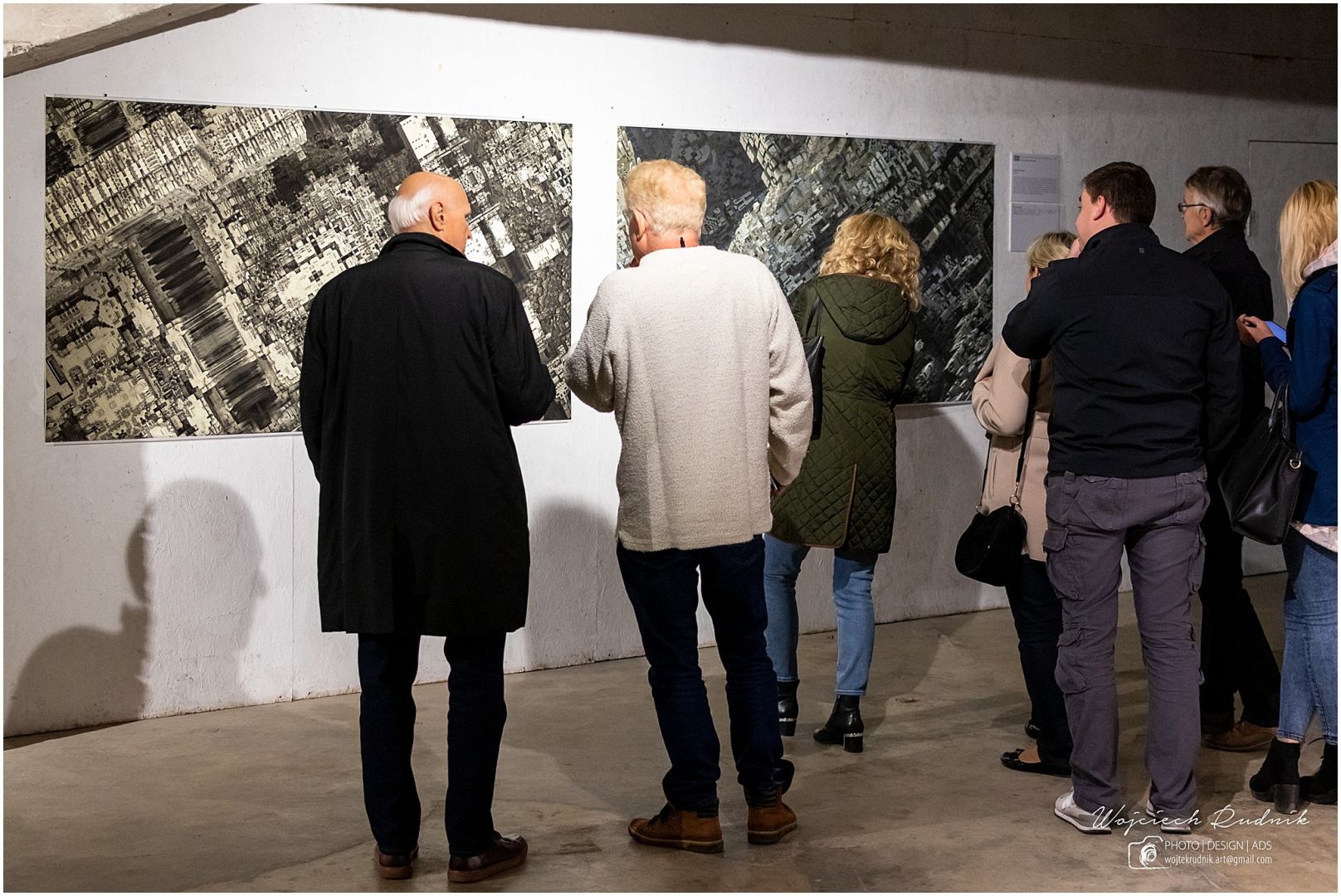
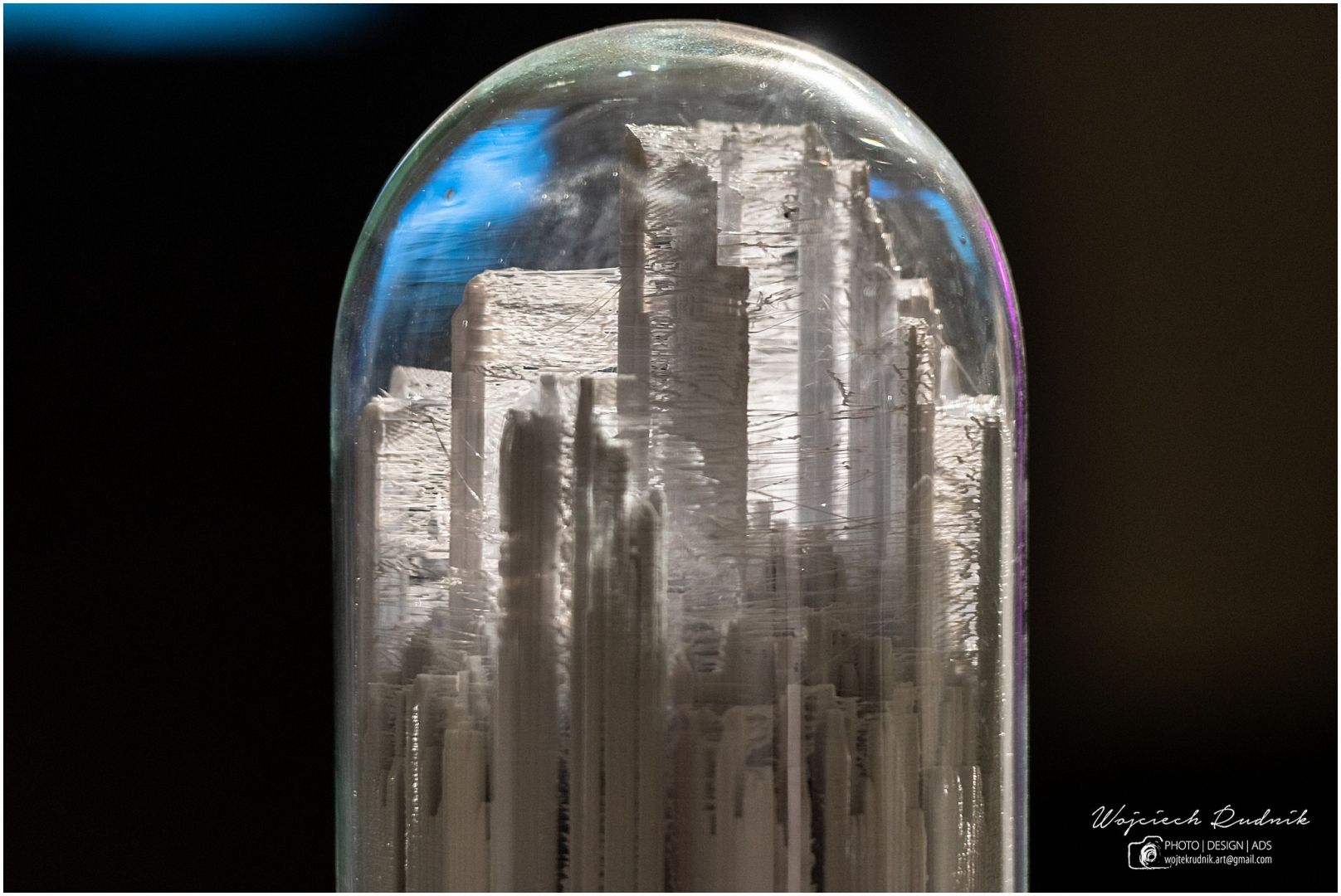
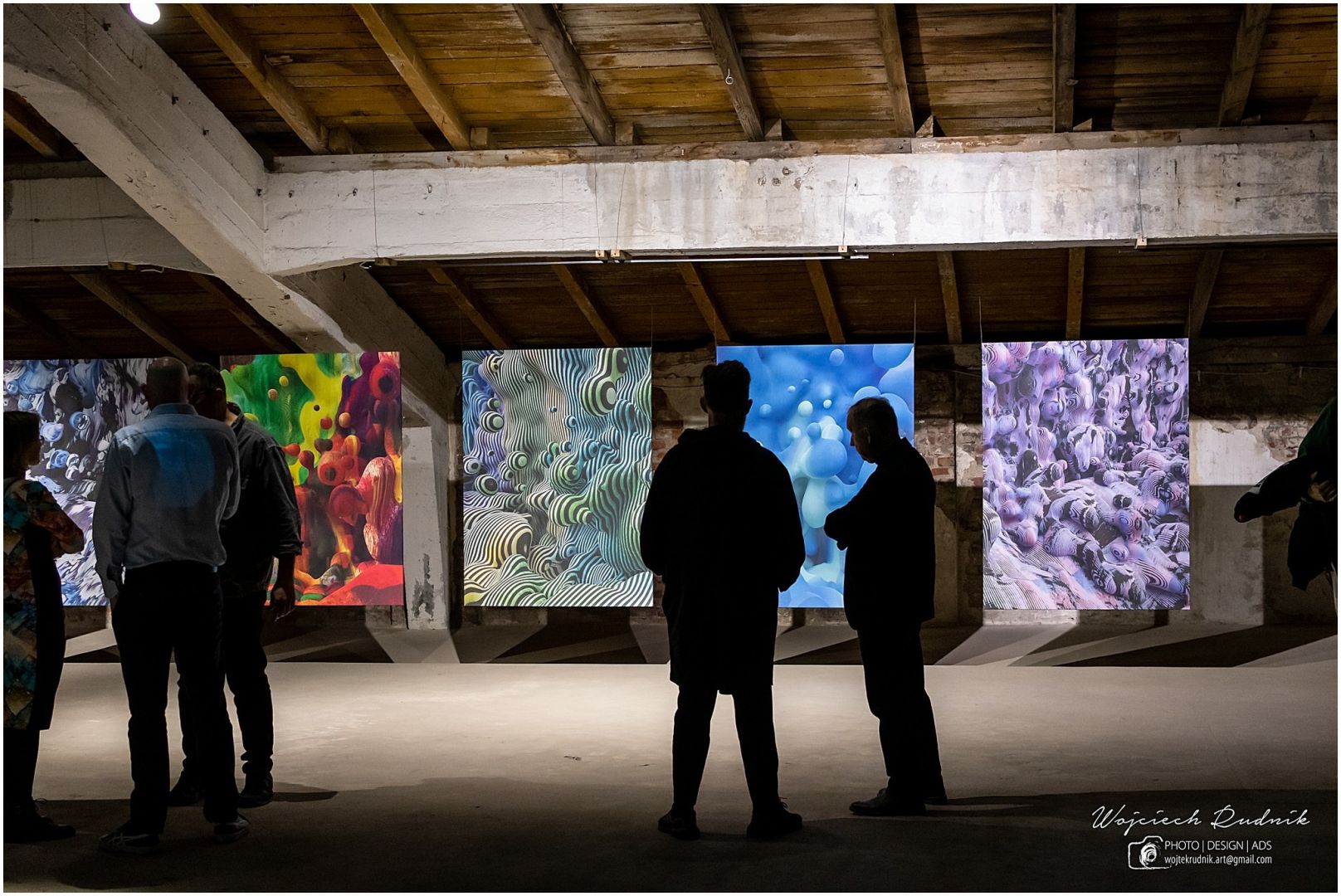
The works of Zbigniew Romańczuk and Radosław Nagay from the series “Coding of Nature” and “Shell” showed images of shells, and fossils that have been introduced into the virtual world and, through various textures, have undergone a transformation of the field of meaning to be re-embodied, this time in the form of prints on canvas and 3D.
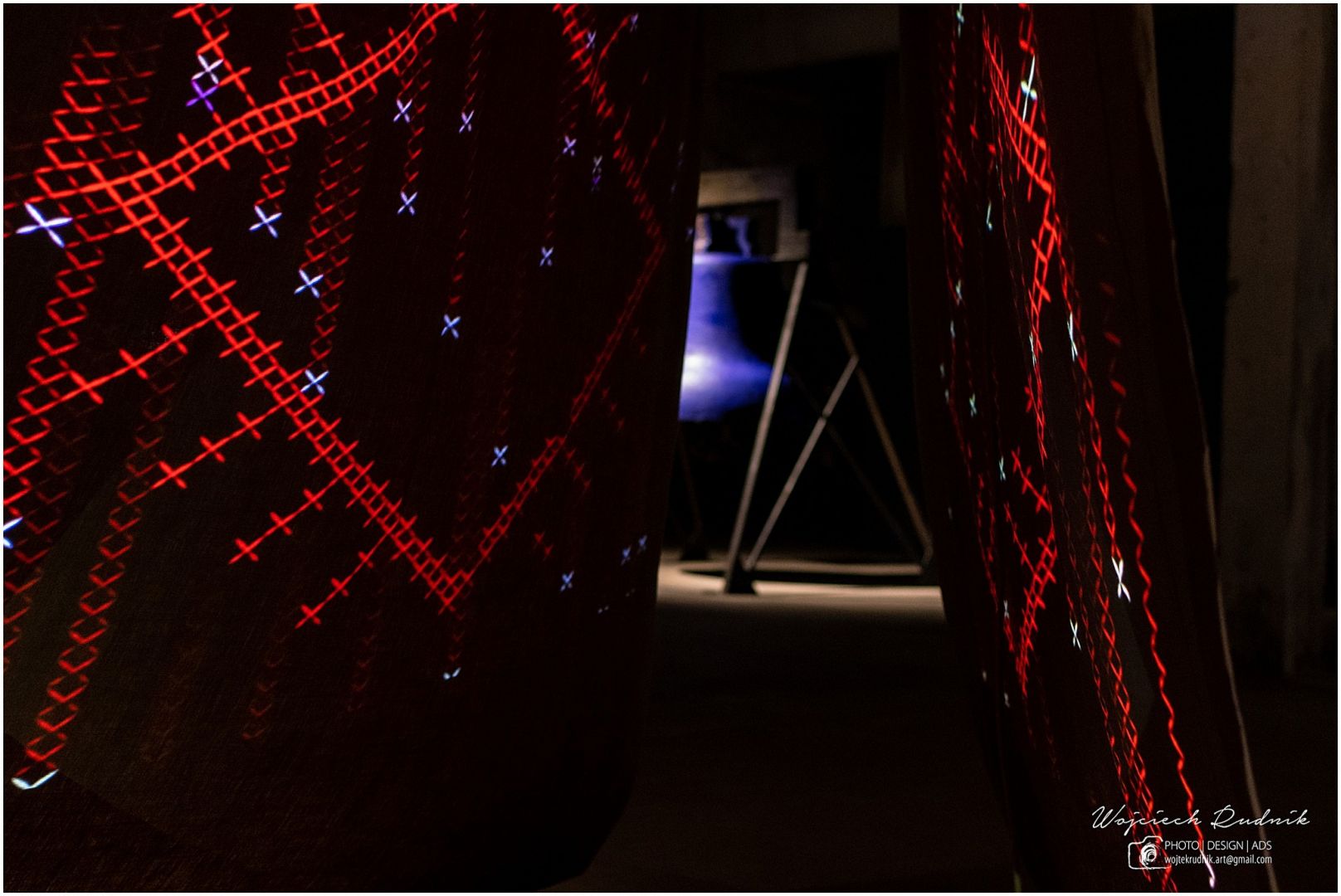
In the multimedia installation “Limbo”, Katarzyna Kujawska-Murphy created a utopian space of the earthly world based on real data about the Earth. In this way, she pointed to the suspension between reality and the desire for the impossible.
In his artistic video “Sol”, Filip Wierzbicki-Nowak shared with the viewer a longing for a lost time of carefree, but also a time of focus and magic of everyday life. Nostalgia was concentrated in an animated sphere that revolves against an abstract-looking background that is a fragment of the artist's everyday life – the street where he lives.
In his work “Mystica verbi”, Andrzej Banachowicz showed stories that are woven into the surface of events and gazes, which are reflected in the land of mirrors and dreams.
In the video performance “Norny”, Aleksandra Łukaszewicz created a hybrid space connecting times and spaces in an intermedia way. She enchanted reality by inviting the audience to participate in a community of feelings and meanings.
All presentations showed the plasticity of reality and the possibility of redefining it on the following levels: ontological, cultural, and social, and demonstrate involvement in this process.